The US Transportation Department has launched a campaign encouraging passengers to improve their behavior on flights… by dressing more formally. The initiative, unveiled this week, suggests that restoring “courtesy and class” to air travel requires a return to more respectful attire.
The “Golden Age” of Air Travel?
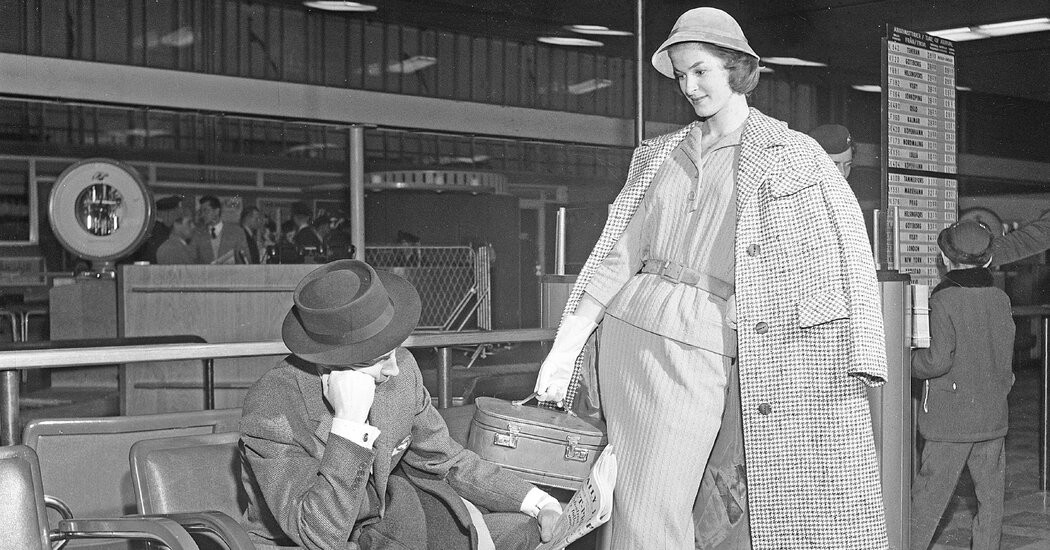
The campaign’s video presents a stark contrast: nostalgic footage of well-dressed passengers from the 1950s and 60s, sharply juxtaposed with modern scenes of travelers in casual clothing. The implication is clear: how you dress influences how you behave. Secretary Sean Duffy has publicly encouraged dressing up for flights, even criticizing the practice of wearing pajamas on planes.
Why Now?
The timing, coinciding with the busy Thanksgiving travel season, raises questions about the campaign’s true purpose. Critics suggest the effort is less about improving passenger behavior and more about optics, a common theme under the current administration. The lack of specifics from officials only reinforces this skepticism.
Is There a Connection?
The idea that clothing impacts behavior isn’t new. Studies in behavioral psychology suggest that formal attire can trigger more polite and considerate actions, though the extent of this effect on crowded airplanes is debatable.
The bigger question is whether a dress code will actually address the root causes of disruptive behavior in air travel, such as overbooked flights, long delays, and passenger stress. Simply changing clothes may not fix systemic problems.
This campaign appears to focus on surface-level solutions rather than tackling the real issues that make air travel frustrating for many people. While civility is valuable, it’s unlikely that better clothing alone will solve the challenges of modern air travel.