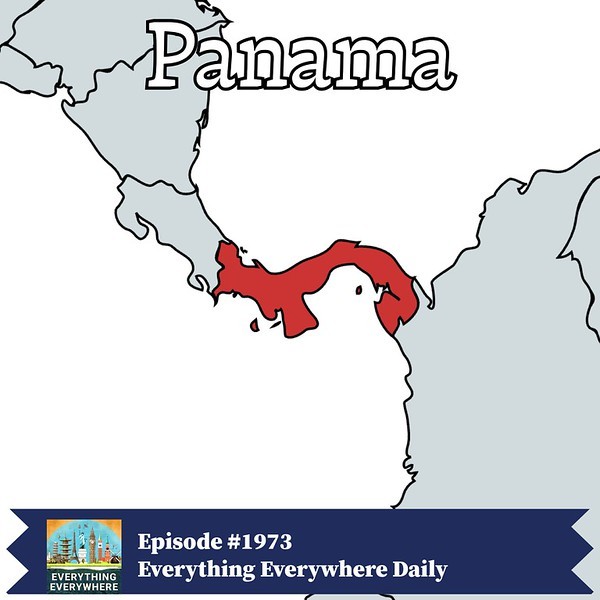
Історія Панами визначається її унікальною географією: вузький перешийок, що з’єднує Північну та Південну Америку, і Панамський канал, який змінив світову торгівлю. Його шлях до незалежності був відзначений стратегічним значенням, колоніальною експлуатацією та бурхливим 20-м століттям. Ось короткий огляд еволюції Панами від стародавнього перехрестя до сучасної економічної потужності.
Перешийок: природний шлях
Протягом тисячоліть Панамський перешийок (раніше відомий як Дарієн) був критично важливим проходом для міграції людей і торгівлі. Найперші свідчення свідчать про те, що люди перетнули його ще 14 000 років тому, з’єднавши Америку. До приходу європейців у цьому регіоні проживали різноманітні корінні народи — чибча, куева та чокоани. За оцінками, до колонізації тут проживало від 200 000 до 2 мільйонів людей.
Найвужче місце перешийка з гірським хребтом у центрі (Центральні Кордильєри) робило його природним вузьким місцем для пересування. Сьогодні Дар’єн Геп залишається непрохідним, перериваючи Панамериканське шосе.
Колоніальна експлуатація та підйом міста Панама
Перший європейський контакт відбувся в 1501 році з Родріго де Бастідасом, а потім у 1513 році Васко Нуньєс де Бальбоа відкрив Тихий океан з перешийка. Це перетворило Панаму на важливий торговий шлях для Іспанії. Панама-Сіті, засноване в 1519 році, стало центром перевалки золота і срібла через перешийок, з’єднавши торгові мережі Тихого і Атлантичного океанів.
Camino Real (Королівська дорога) — також відома як Camino de Cruces (Дорога хрестів) завдяки численним безіменним могилам — стала рухливою артерією для іспанської торгівлі. Незважаючи на присутність іспанців, опір «бойових індіанців» тривав протягом століть, і пірати, такі як сер Френсіс Дрейк, регулярно здійснювали набіги на іспанські поселення.
Незалежність і втручання США
Після майже 300 років іспанського панування Панама проголосила незалежність у 1821 році, але незабаром приєдналася до Великої Колумбії. Пізніше вона стала частиною Сполучених Штатів Колумбії, зазнавши понад 80 спроб відокремлення, перш ніж нарешті отримати повну автономію в 1903 році. Сполучені Штати підтримали відокремлення Панами, головним чином через її бажання побудувати Панамський канал.
Суперечливий Договір Хей-Бунау-Варілла дав Сполученим Штатам контроль над зоною каналу, фактично перетворивши смугу панамської землі на американську територію. Канал було завершено в 1914 році, змінивши глобальні судноплавні маршрути, але викликавши довгострокове обурення.
Турбулентність і перехід
ХХ століття в Панамі ознаменувалося політичною нестабільністю, олігархічним правлінням і впливом США. Зростаюча напруга між елітою та населенням призвела до хвилювань і вимог перегляду договору. У 1968 році військовий переворот встановив диктатуру, яка придушила опозицію та погано керувала економікою.
У 1989 році Сполучені Штати вторглися в Панаму під приводом захисту життя американців, відновлення демократії та боротьби з торгівлею наркотиками. Операція розпустила панамську армію та започаткувала цивільний уряд, хоча спочатку глибоко розділений.
Панама сьогодні: Глобальний торговий центр
Сьогодні Панама є стабільною конституційною демократією та ключовим гравцем у світовій торгівлі. Панамський канал залишається рушійною силою економіки, приносячи прибуток від плати за проїзд та пов’язаних послуг. Країна стала великим фінансовим центром, що приваблює банки та транснаціональні корпорації сприятливим податковим законодавством.
Незважаючи на те, що Світовий банк класифікує Панаму як країну з високим рівнем доходу, Панама стикається з проблемами корупції (посідає 114 місце зі 180 в Індексі сприйняття корупції Transparency International за 2024 рік). Проте канал і його стратегічне розташування продовжують стимулювати економічне зростання, пропонуючи один із найвищих стандартів життя в Латинській Америці.
Історія Панами демонструє, як географія, колоніальна експлуатація та геополітичні інтереси можуть формувати долю нації. Його майбутнє залежить від балансу економічного процвітання, ефективного управління та сталого розвитку.