Operational upgrades, or “op-ups” as they’re often called, represent one of the most pleasant surprises in air travel. These aren’t earned through miles or elite status alone; they happen when airlines need to move passengers to higher cabin classes for logistical reasons. Here’s a breakdown of how they work and how you can improve your odds of scoring one.
Why Operational Upgrades Happen
Airlines frequently oversell economy cabins, betting that not every ticketed passenger will actually show up. This is especially common on routes where premium cabins struggle to fill, while economy demand is high. If more passengers show up than seats available in economy, the airline will move passengers forward into first or business class to accommodate them.
There are other less frequent reasons too:
- Weight and Balance: Though rare on large planes, adjustments may require shifting passengers.
- Broken Seats: If a premium cabin seat fails at the last minute and no economy seats are available, a passenger may be moved up.
How Airlines Decide Who Gets Upgraded
Operational upgrades are not random. Airlines follow structured procedures, typically prioritizing passengers based on a combination of:
- Elite Status: Higher tiers of airline loyalty programs are favored.
- Fare Class: Passengers who paid full fare (even without elite status) may jump ahead of lower-tier members.
Airlines generally avoid “double-upgrading” (moving someone from economy to business and then to first class). The upgrade list is cleared first, and op-ups only happen if those seats remain open.
Myth Busting: Dressing well or attempting to charm the gate agent won’t increase your chances. These upgrades are based on pre-set policies.
When and Where They Happen
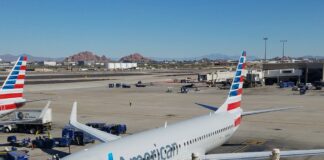
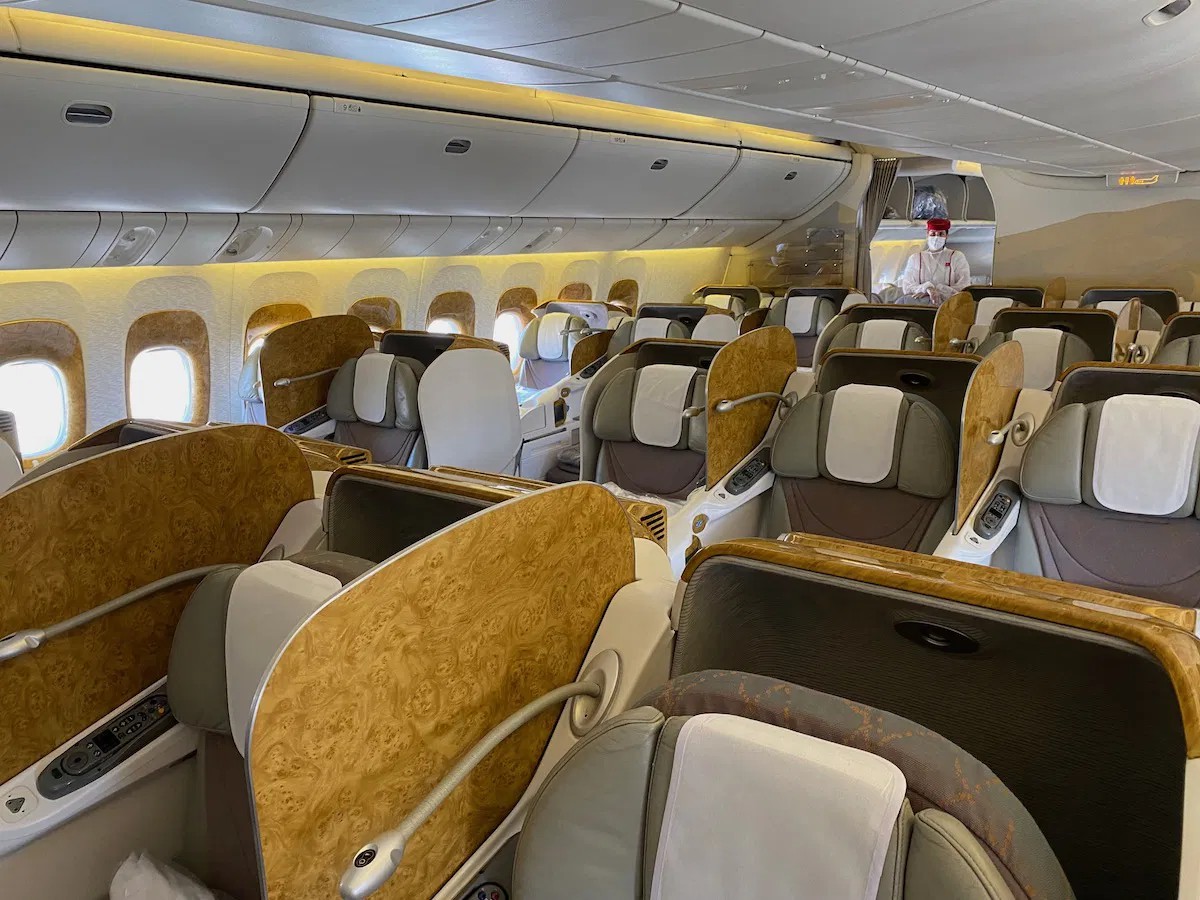
Operational upgrades are most common on international routes, particularly those operated by airlines in regions like the Gulf States, where demand patterns differ sharply between cabin classes. Within the U.S., they’re less frequent due to high elite member density on upgrade lists (though some transcontinental routes on airlines like American may offer more opportunities).
The timing varies:
- Gate: Most often, upgrades are assigned shortly before boarding.
- Check-In: If a flight is severely oversold, upgrades may happen earlier, at check-in.
The Bottom Line
Operational upgrades are a delightful but unpredictable benefit of flying. While you shouldn’t rely on one, having elite status and booking a higher fare class improves your chances if an airline needs to clear an overbooked economy cabin. Don’t fall for TikTok advice about checking in last; it’s more likely to land you in a middle seat than a lie-flat pod.