№5 Захоплюючі кулінарні курси в Італії для справжнього гастрономічного досвіду
Італія відома своїми багатими кулінарними традиціями, і мандрівники все більше шукають практичних вражень, які виходять за рамки простого поїдання їжі. Італія пропонує широкий вибір кулінарних курсів для будь-якого рівня кваліфікації: від освоєння техніки приготування макаронних виробів до вдосконалення місцевих страв. Це не просто рецепти; це культурне занурення, навчання від місцевих жителів і принесення додому смаку Італії.
Практичний тренінг з місцевими жителями
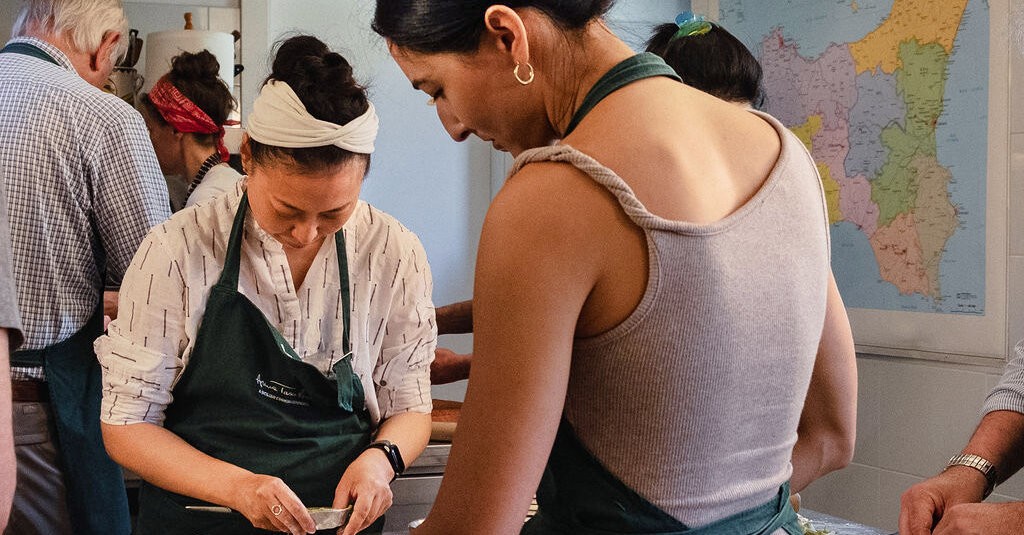
Багато з найавтентичніших вражень можна отримати на невеликих незалежних уроках, які проводять місцеві шеф-кухарі або навіть nonnas (бабусі) на власних кухнях. Такі платформи, як Cesarine та Airbnb Experiences, зробили пошук цих прихованих перлин легшим, ніж будь-коли. Перевага? Інтимна обстановка, індивідуальна увага та більш глибокий зв’язок з італійською кулінарною культурою.
П’ять видатних кулінарних курсів по всій Італії
Ось п’ять варіантів, які демонструють широту італійської кулінарної освіти:
- Досконалість песто в Лігурії: Регіон Лігурія є батьківщиною дженовезького песто. Багато занять зосереджені на традиційному методі ручного подрібнення інгредієнтів у мармуровій ступці, що забезпечує найсвіжіші та найбагатші смаки. Заняття часто закінчуються спільною трапезою з видом на приголомшливе Лігурійське узбережжя.
- Приготування макаронних виробів у Тоскані: Тоскана пропонує різноманітні курси приготування макаронних виробів, від базових технік приготування яєчного тіста до регіональних фірмових страв, таких як pici (товсті макаронні вироби, розкручені вручну) і tortelli (макарони з начинкою). Акцент робиться на простоті та свіжих сезонних інгредієнтах.
- Майстерність піци в Неаполі: Неаполь є синонімом піци. Курс приготування піци тут виходить за рамки простого підкидання тіста; мова йде про розуміння нюансів неаполітанського стилю піци, від дров’яної печі до помідорів Сан-Марцано.
- Сицилійські делікатеси з морепродуктів: Прибережне розташування Сицилії робить її ідеальним місцем для уроків приготування страв з морепродуктів. Очікуйте, що вас навчать готувати свіжий улов традиційними способами, часто використовуючи цитрусові, трави та каперси.
- Основи римської кухні: Рим пропонує курси класичних римських страв, таких як cacio e pepe (паста з сиром і перцем), saltimobboca (телятина з прошутто та шавлією) і carciofi alla Romana (римські артишоки).
Чому ці заняття важливі
Ці заняття — це більше, ніж просто навчання кулінарним навичкам. Вони надають контекст: історію страв.