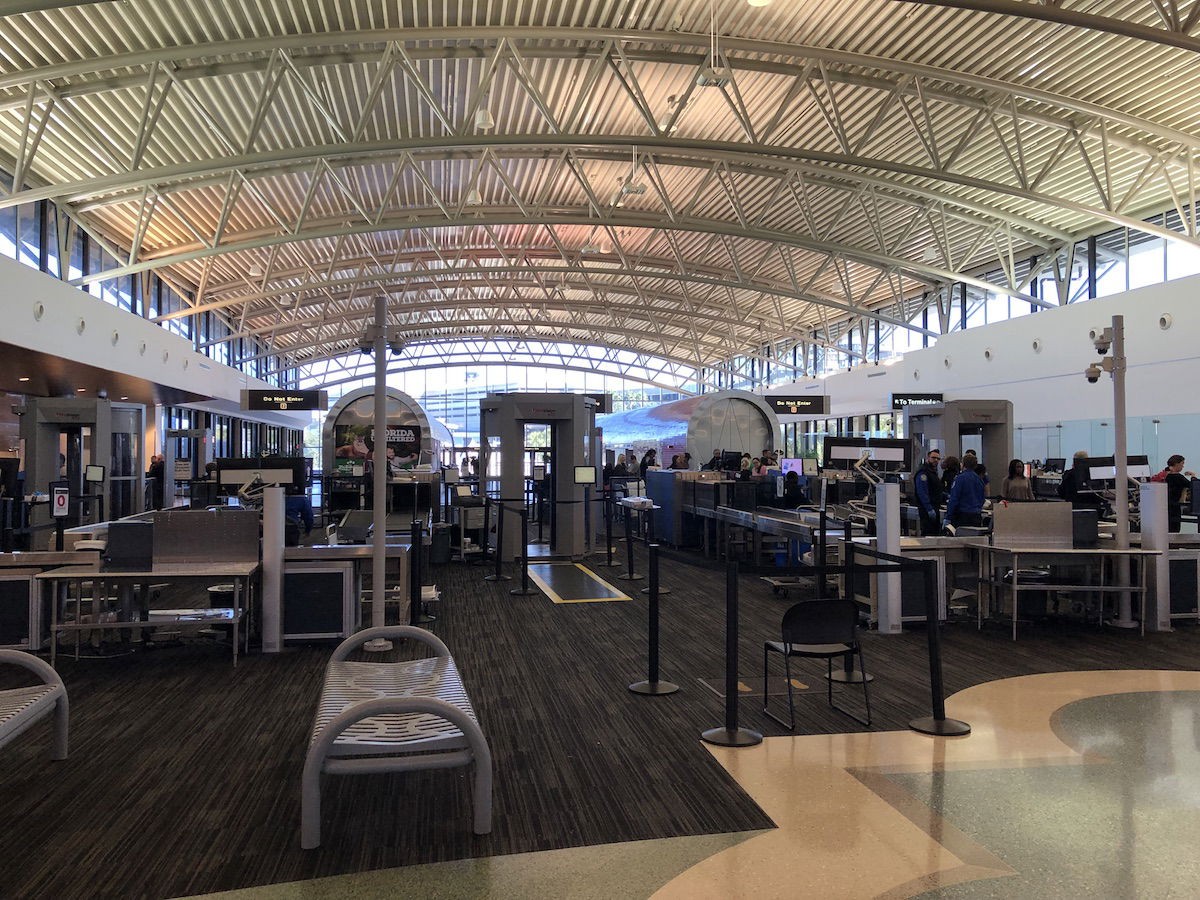
З 1 лютого 2026 року Управління транспортної безпеки (TSA) стягуватиме плату в розмірі 45 доларів США, яка не підлягає поверненню, з пасажирів, які прибувають на контрольно-пропускні пункти аеропорту без посвідчення особи REAL ID або дійсного паспорта. Ця зміна є частиною «Сучасної альтернативної програми перевірки особи», розробленої для полегшення перевірки особи пасажирів, які не мають стандартних проїзних документів.
Передумови та реалізація
Закон REAL ID, ухвалений у 2005 році, передбачав суворіші стандарти безпеки для державних водійських прав та ідентифікаційних карток, які повинні визнаватися для федеральних цілей, включаючи авіаперельоти. Незважаючи на тривалий період впровадження, повне впровадження неодноразово відкладалося. Наразі TSA дозволяє пасажирам без документів, сумісних із REAL ID, пройти додаткову перевірку особи, яка є ручною та займає багато часу.
Нова плата має на меті повністю компенсувати витрати на цю програму перевірки, яка використовуватиме біометричні та біографічні дані для перевірки особи пасажирів. Початкова запропонована сума становила 18 доларів, але її було збільшено до 45 доларів, щоб відповідати фактичним витратам програми. За оцінками TSA, 94% американських мандрівників уже пред’являють прийнятні форми ідентифікації, але ця ініціатива спрямована на решту відсотків.
Як працюватиме процес перевірки
Пасажирам без відповідних документів рекомендується пройти онлайн-процес перевірки через pay.gov до прибуття в аеропорт. Успішне проходження генерує цифрову квитанцію, яку можна надати офіцерам TSA під час перевірки. Пасажири, які прибувають без дійсного посвідчення особи або квитанції, повинні будуть залишити лінію безпеки та пройти перевірку на місці за допомогою QR-кодів та персональних пристроїв. За оцінками TSA, процес займе від 10 до 15 хвилин і може включати перевірку паспорта або запитання, що базуються на знаннях.
Чому це важливо
Введення цього збору є прямою відповіддю на неефективність ручної перевірки особи в аеропортах. Перекладаючи вартість перевірки на мандрівників, які вирішили не отримувати справжнє посвідчення особи чи паспорт, TSA прагне стимулювати дотримання вимог, одночасно компенсуючи витрати на програму. Ця зміна політики відображає ширшу тенденцію до посилення заходів безпеки та послуг, що фінансуються користувачами, у транспортному секторі.
Збільшення комісії з початкової оцінки в $18 до $45 викликає питання щодо справжніх операційних витрат на програму, хоча TSA каже, що комісія необхідна для повної компенсації витрат. Він також підкреслює фінансові наслідки для мандрівників, які можуть не мати доступу до відповідних документів або навмисно відмовляються їх отримати.
Зрештою, ця система має на меті пришвидшити проходження перевірок безпеки та зменшити залежність від ручних перевірок, але фінансовий тягар ляже на тих, хто не має належної документації. Успіх програми залежатиме від її ефективності та готовності мандрівників платити збір, а не оновлювати документи.