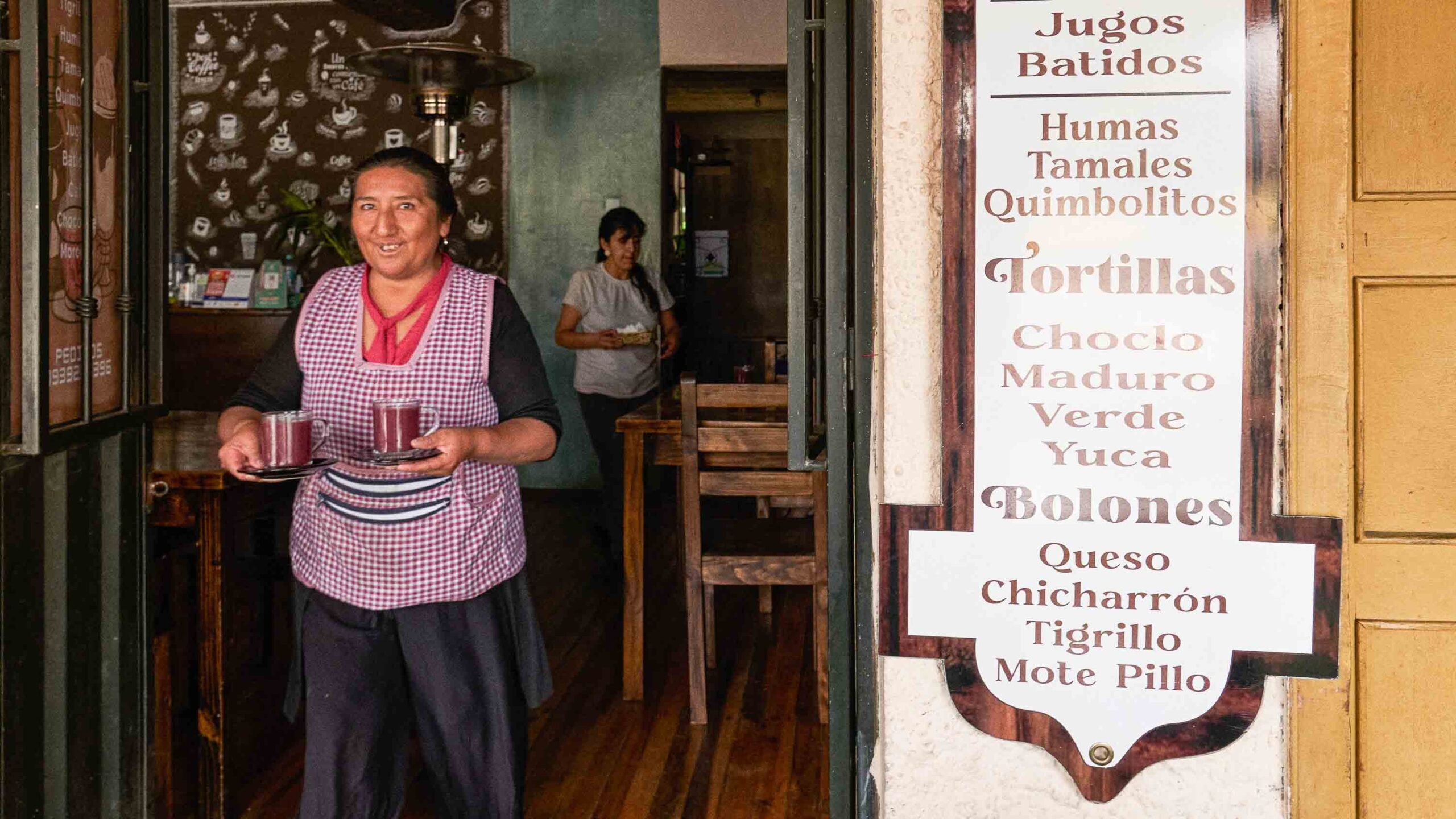
For generations, the streets of Cuenca, Ecuador, have been filled with the aroma of traditional mountain cuisine. But as economic pressures mount and younger generations migrate away, the future of this culinary heritage hangs in the balance. The heart of this food scene lies with the abuelas (grandmothers) who continue to whip up recipes passed down through centuries, though their time is not infinite.
The Legacy of Corn and Clay Pots
Julia Estela, a local street cook, embodies this tradition. Standing over her tiesto – a clay pot used since pre-Incan times – she expertly flips corn tortillas, a recipe learned from her own grandmother. The process is deeply rooted in Ecuador’s history: from planting the corn by hand to grinding the kernels on stone mills. This food isn’t just sustenance; it’s a connection to a past where families relied on their land and traditions for survival.
The street food of Cuenca is a distinctive Andean flavor profile, now recognized by UNESCO’s Creative Cities list. Unlike the tacos or churros that dominate Latin American street food in global perception, Ecuador’s mountain cuisine centers on corn-based dishes like humitas and mote. The latter, a staple side of cooked white corn, is so ingrained in Cuenca’s culture that locals joke someone is “more Cuencano than mote” if they truly belong.
The Economic Reality
The longevity of this tradition faces a stark challenge: economics. Estela explains that rising costs of ingredients and equipment are making it harder to keep these recipes alive. “Pots, leaves, corn, even little spoons… before, things weren’t so costly.” This is compounded by Ecuador’s history of economic instability. The 1999 financial crisis triggered mass migration, with an estimated 500,000 Ecuadorians leaving for the US and Spain. Today, over 1.2 million Ecuadorians live abroad, and the exodus continues.
This migration isn’t just about money; it’s about opportunity. With families splitting across borders, the transmission of these culinary traditions weakens. Even those who stay face pressure to chase trends. Cristian Encalada, a street food tour guide, notes that young people are less interested in mastering these time-consuming techniques.
The Rise of Preservation
However, not all is lost. A new generation of restaurateurs, like Manolo Morocho and Vero Herrera, are actively working to preserve Ecuador’s culinary heritage. Their restaurants, LaMaria and Los Priostes, blend traditional flavors with modern creativity. They serve dishes like guinea pig empanadas and humitas alongside cocktails infused with local ingredients, aiming to remind Ecuadorians of the value in their own cuisine.
Morocho observes that for years, Ecuadorian chefs focused on foreign styles – Italian, French, American – while dishes like encebollado and caldo de patas were forgotten. Now, there’s a growing appreciation for what makes Ecuador unique. “No matter how luxurious something is, the Ecuadorian part wins.”
The survival of these traditions isn’t just about chefs or tourists; it’s about a collective cultural memory. Cuenca’s street food isn’t just about the food itself, but about the grandmothers who keep the flavors alive, the blacksmiths whose fires echo a history of craft, and the locals who still speak with the city’s sing-song accent.
The question remains: will Ecuador’s younger generations choose to honor these traditions, or will they fade away as the abuelas pass on? The future of this culinary heritage depends on a collective decision to value what makes Ecuador uniquely Ecuadorian.