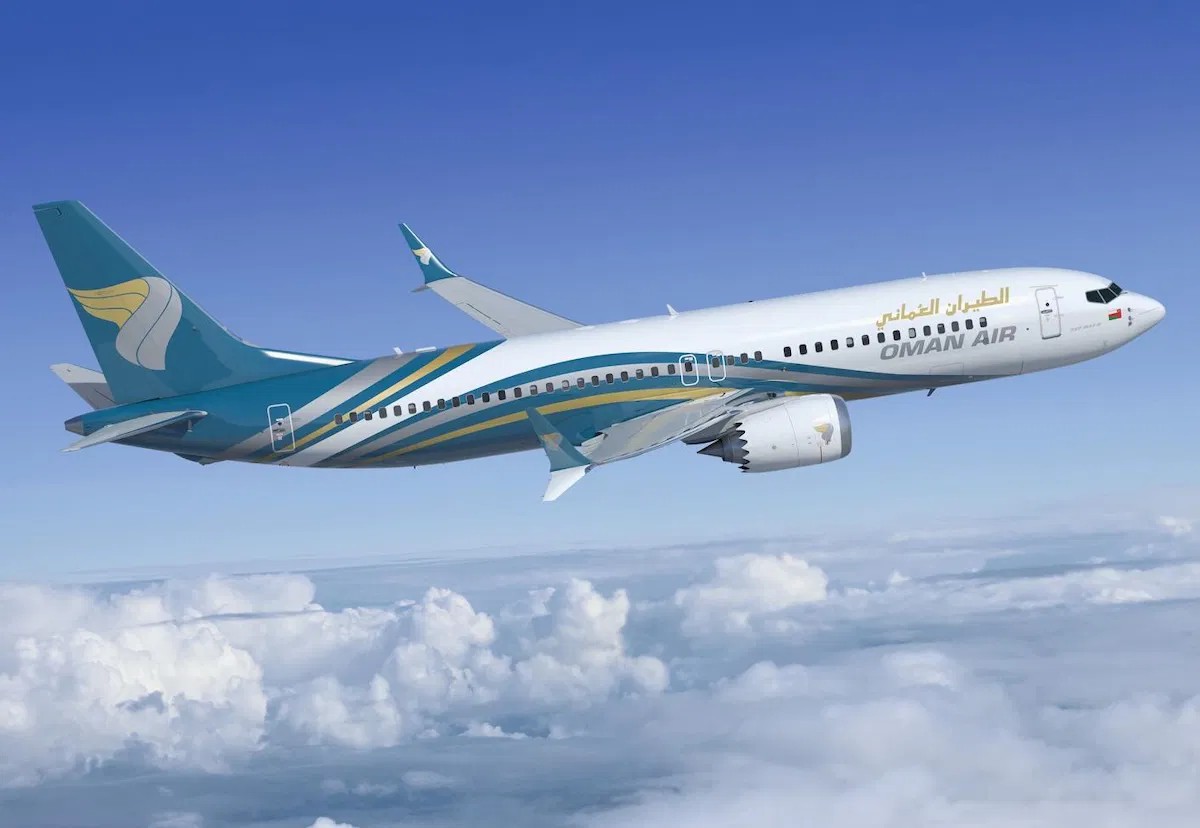
Oman Air запровадила унікальний авіамаршрут між Мускатом (MCT) і Копенгагеном (CPH) із пересадкою в Багдаді (BGW). Послуга, запущена 16 грудня 2025 року, є маршрутом «п’ятої свободи», який дозволяє пасажирам подорожувати між будь-якими з трьох міст. Авіакомпанія двічі на тиждень експлуатує літаки Boeing 737 MAX 8, оснащені 12 відкидними кріслами бізнес-класу та 150 кріслами економ-класу.
Деталі маршруту
Розклад рейсів наступний:
- Маскат – Багдад: Відправлення о 13:00, прибуття о 14:55 за місцевим часом. (Час польоту: 2 год 55 хв)
- Багдад – Копенгаген: Відправлення о 15:55, прибуття о 19:25 (+1 день). (Час польоту: 5 год 30 хв)
- Копенгаген – Багдад: Відправлення о 20:25, прибуття о 03:25 (+1 день). (Час польоту: 5 год)
- Багдад – Маскат: Відправлення о 04:25, прибуття о 08:00. (Час польоту: 2 год 35 хв)
Загальний час у дорозі між Мускатом і Копенгагеном становить приблизно 9 годин 25 хвилин на схід або 8 годин 35 хвилин на захід. Пасажири можуть забронювати квитки на будь-яку комбінацію цих ділянок, що робить маршрут гнучким для різноманітних подорожей.
Стратегічні наслідки
Рішення Oman Air включити Багдад як хаб є частиною ширшої реструктуризації, спрямованої на підвищення прибутковості. Авіакомпанія скоротила свій флот широкофюзеляжних літаків, зосередившись замість цього на експлуатації Boeing 737 на ринках, які традиційно обслуговуються більшими літаками. Ця стратегія дозволяє Oman Air конкурувати за ціною, але при цьому може залучати транзитний трафік.
Включення Багдада має подвійну мету : воно обслуговує недостатньо забезпечений ринок, а також дозволяє авіакомпанії ефективніше обслуговувати Копенгаген. Цей крок можна розглядати як прорахований ризик, використання менш традиційного маршруту для розширення мережі та задоволення потреб мандрівників, які шукають економічно ефективні варіанти.
Сприйняття пасажирами та можливі проблеми
Хоча новий маршрут пропонує зручність для мандрівників між Багдадом, Маскатом і Копенгагеном, він може здивувати пасажирів, які не знайомі зі сполученням. Деякі клієнти, які бронюють рейси між Мускатом і Копенгагеном, можуть не усвідомлювати, що їм доведеться зупинятися в Багдаді, що може призвести до плутанини або скарг.
Вигляд маршруту через Багдад може викликати занепокоєння у деяких мандрівників, враховуючи переважаюче уявлення про регіон. Хоча очевидних проблем з безпекою немає, трансфер може здатися нетрадиційним, особливо тим, хто не знайомий з деталями маршруту.
Підхід Oman Air демонструє готовність досліджувати нетрадиційні маршрути для підвищення прибутковості, але також підкреслює важливість прозорості маршрутів польотів.
Підсумовуючи, маршрут Маскат – Багдад – Копенгаген авіакомпанії Oman Air є сміливим кроком, який поєднує операційну ефективність зі стратегічним розширенням ринку. Незважаючи на те, що маршрут створює потенційні труднощі для сприйняття пасажирами, він також пропонує унікальну цінну пропозицію для тих, хто шукає доступні варіанти подорожі між цими напрямками.