United Airlines непомітно зміцнила свої позиції лідера в програмах виноробства бізнес-класу серед перевізників США, постійно пропонуючи кращий вибір, ніж такі конкуренти, як Delta та American. У той час як інші авіакомпанії наголошують на престижних брендах, підхід United є продуманим і консервативним, надаючи пріоритет визнанню та надійності у своїх бортових пропозиціях. Це не просто питання переваг; це сигнал про те, які авіакомпанії серйозно ставляться до пасажирів бізнес-класу.
Продуманий підхід United до вина
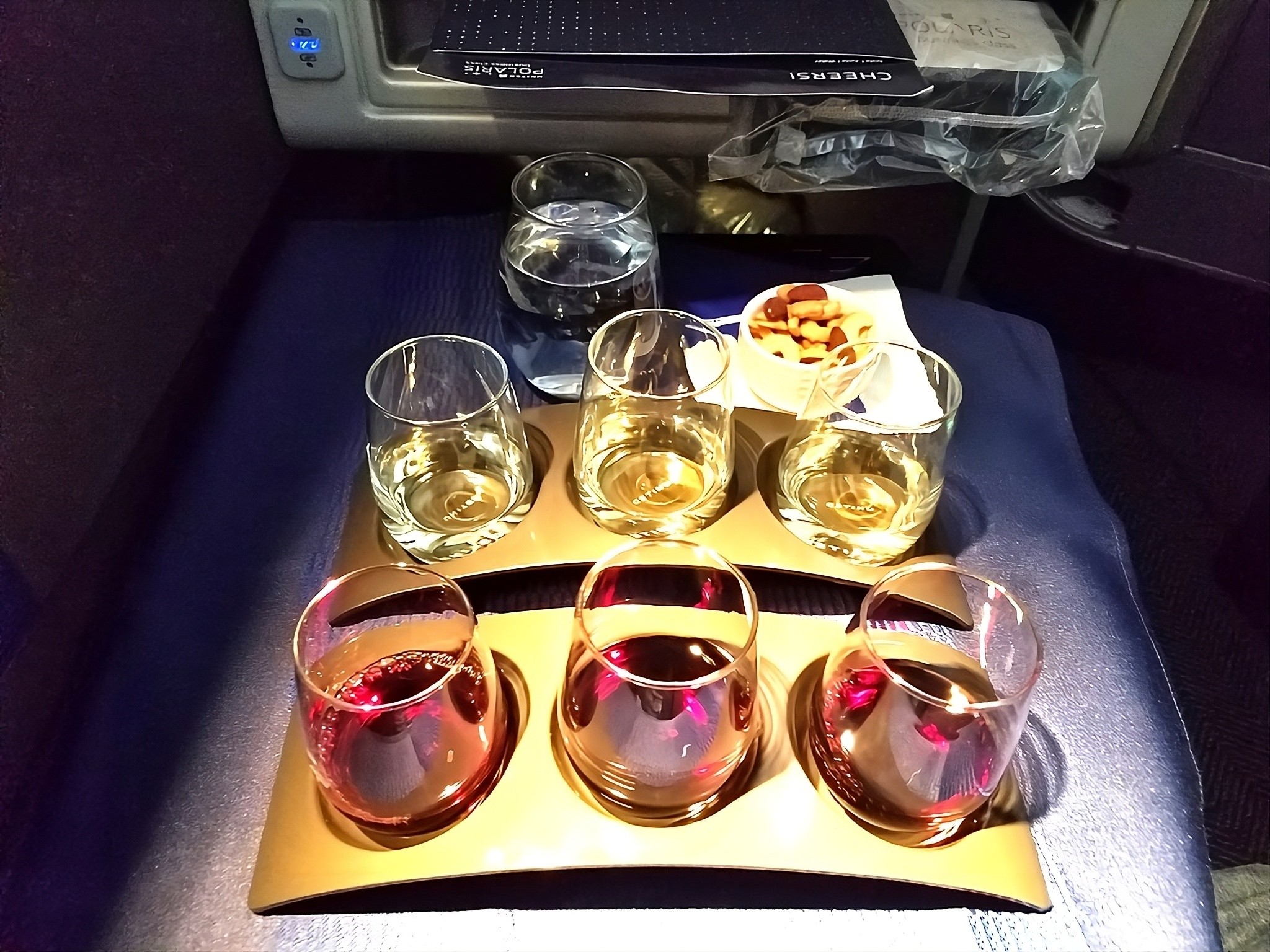
Поточна карта вин United включає такі шановані пляшки, як Malbec Catena Zapata та Chardonnay Domaine Serene. Колекція розроблена, щоб добре працювати на висоті та задовольняти широкий спектр смаків, наголошуючи на стиглих, відшліфованих смаках, а не на експериментальних чи нішевих варіантах. Єдина критика, яку часто можна почути, це те, що якість вина іноді перевищує якість бортового харчування, що є загальною проблемою для всіх авіакомпаній.
Раніше авіакомпанія пропонувала «винні тури», які заохочували до великого споживання та перевищували очікування бюджету. Незважаючи на те, що програму було припинено, вона підкреслює прагнення United інвестувати в преміальний досвід.
Змагання з шампанським розпалюються
Справжнім полем битви серед перевізників США зараз є шампанське. Delta та American посилюють конкуренцію, причому Delta обслуговує Taittinger, а American обирає Bollinger. У той час як American відставав у виборі вин, Bollinger Special Cuvée є, мабуть, найкращим вибором на висоті, пропонуючи глибину та структуру, які краще протистоять притупленню почуттів під час польоту.
Laurent-Perrier залишається сучасним вибором шампанського United, хрустким і освіжаючим варіантом, який добре поєднується з легкими стравами. Taittinger, хоч і елегантний, не має солідності, необхідної для того, щоб виділятися в повітрі.
За межами США
Перевізники США все ще відстають від світових лідерів, таких як Emirates і Singapore Airlines, в інвестуванні у вино. Emirates пропонує ексклюзивні вина преміум-класу, такі як Yquem, а Singapore Airlines імітує умови польоту для дегустації та пропонує змінний вибір елітного шампанського, наприклад Krug і Cristal. Ці інвестиції демонструють прихильність до розкоші, яку авіакомпанії США тільки починають охоплювати.
Резюме
Незважаючи на розрив, американські авіакомпанії просуваються вгору на ринку, а вино та шампанське стають ключовими відмінностями в бізнес-класі. Конкуренція спонукає до вдосконалення, але галузі ще потрібно пройти довгий шлях, перш ніж вона зможе відповідати стандартам, встановленим провідними міжнародними авіакомпаніями.