
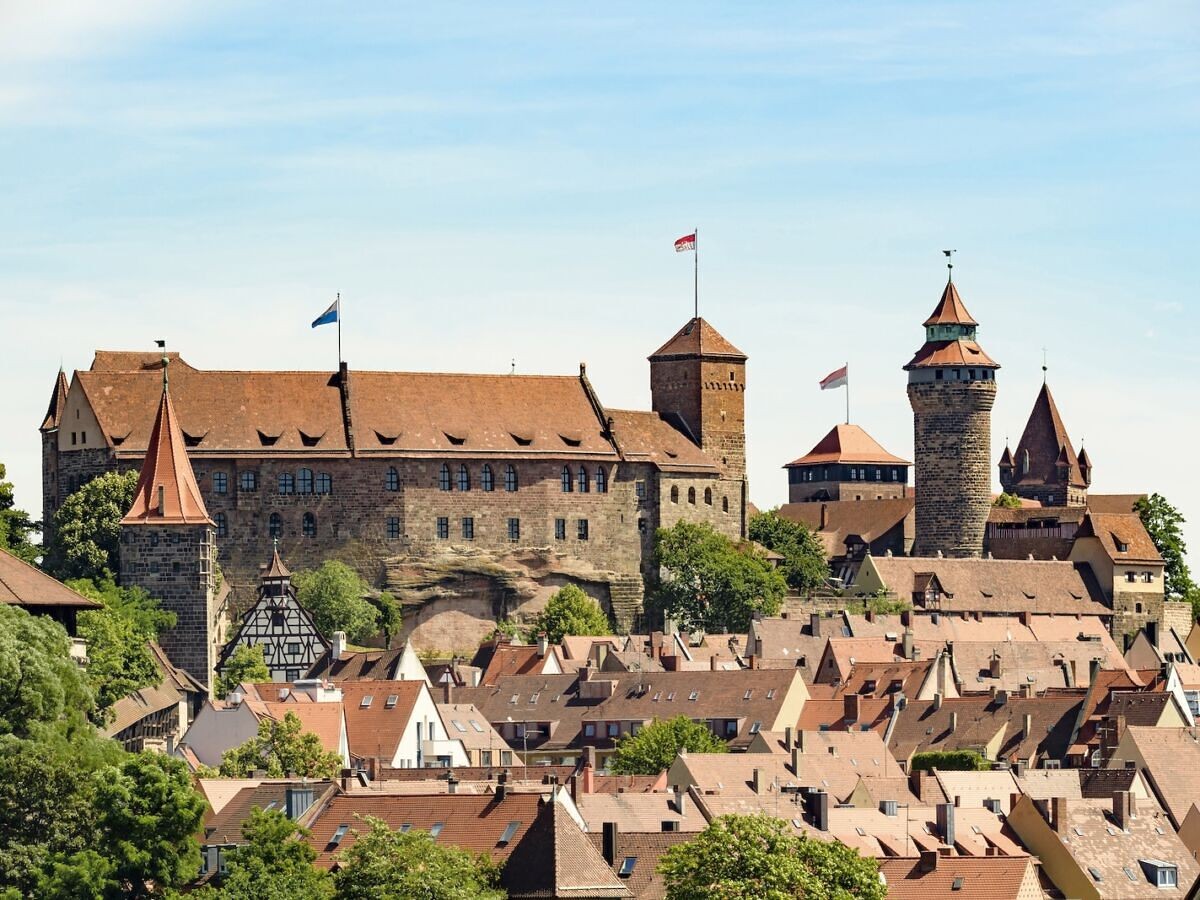
Нюрнберг переживає свідоме відродження, сміливо дивлячись у своє минуле, створюючи перспективний культурний ландшафт. Місто унікальним чином поєднує архітектурну реставрацію з експонатами, що спонукають до роздумів, які спонукають відвідувачів зіткнутися з його складною історією. Це не місце, яке приховує темряву; він інтегрує це в досвід.
Протистояння минулому: випробування, пропаганда та роздуми
Нюрнберзький процес залишив незгладимий слід в історії міста, і Меморіальний центр Нюрнберзького процесу забезпечує прямий доступ до кімнати 600, де відбувалися ці історичні процеси. Це не просто музей; це простір, де історія відчувається миттєво. Центр документації, який планується завершити у 2026 році, розміщуватиме постійну експозицію, присвячену місцям зборів партії NSDAP у місті.
Архітектурне втручання Гюнтера Доменіга особливо вражає: сучасна споруда, яка прорізає по діагоналі оригінальну нацистську будівлю, демонструючи сировину та спонукаючи відвідувачів поставити під сумнів* сам простір. Цей гострий дизайн навмисний, щоб викликати занепокоєння. Кафе Arthur, розташоване на території, активно пропагує різноманітність, інтеграцію та толерантність, створюючи контрапункт темній спадщині сайту.
Поза дворами: середньовічний шарм і сучасна культура
Історичний центр Нюрнберга легко дослідити пішки. На головній ринковій площі можна побачити такі пам’ятки, як церква Пресвятої Діви Марії та прекрасний фонтан. Лікарня Святого Духа, побудована прямо над річкою (історично використовувалася для утилізації відходів), є яскравим нагадуванням про середньовічне життя.
Щоб отримати більш інтимний досвід, відвідайте будинок Альбрехта Дюрера, де місцеві жителі збираються для пікніків. Імператорський замок Нюрнберга пропонує панорамний вид на місто та є свідченням середньовічної величі Німеччини.
Кулінарні задоволення та регіональні подорожі
Франконську кухню варто спробувати. Frankness під керівництвом шеф-кухаря Олександра Херрманна пропонує сучасні регіональні страви, які готують на очах у гостей з місцевих продуктів. Нюрнберг є відправною точкою для інших історичних перлин: Регенсбург і Бамберг, об’єкти Всесвітньої спадщини ЮНЕСКО, розташовані менш ніж за годину їзди на поїзді.
Байройт, який також знаходиться в годині їзди на поїзді, вартий того, щоб відвідати один день. Мистецька сцена міста вшановує маркграфиню Вільгельміну, меценатку XVIII століття, яка залучила Ваґнера до Байройта та замовила оперний театр маркграфинь, театри просто неба в саду Ермітаж і альпінарій Санспарей. 150-й Оперний фестиваль триватиме з 24 липня по 26 серпня 2026 року, але культурні пропозиції Байройта виходять далеко за межі фестивального сезону.
Свідома причетність Нюрнберга до свого минулого в поєднанні з його яскравою сучасною культурою та доступністю до інших історичних міст робить його унікально привабливим напрямком. Це місце, яке не цурається важких істин; замість цього він використовує їх як основу для зростання та роздумів.