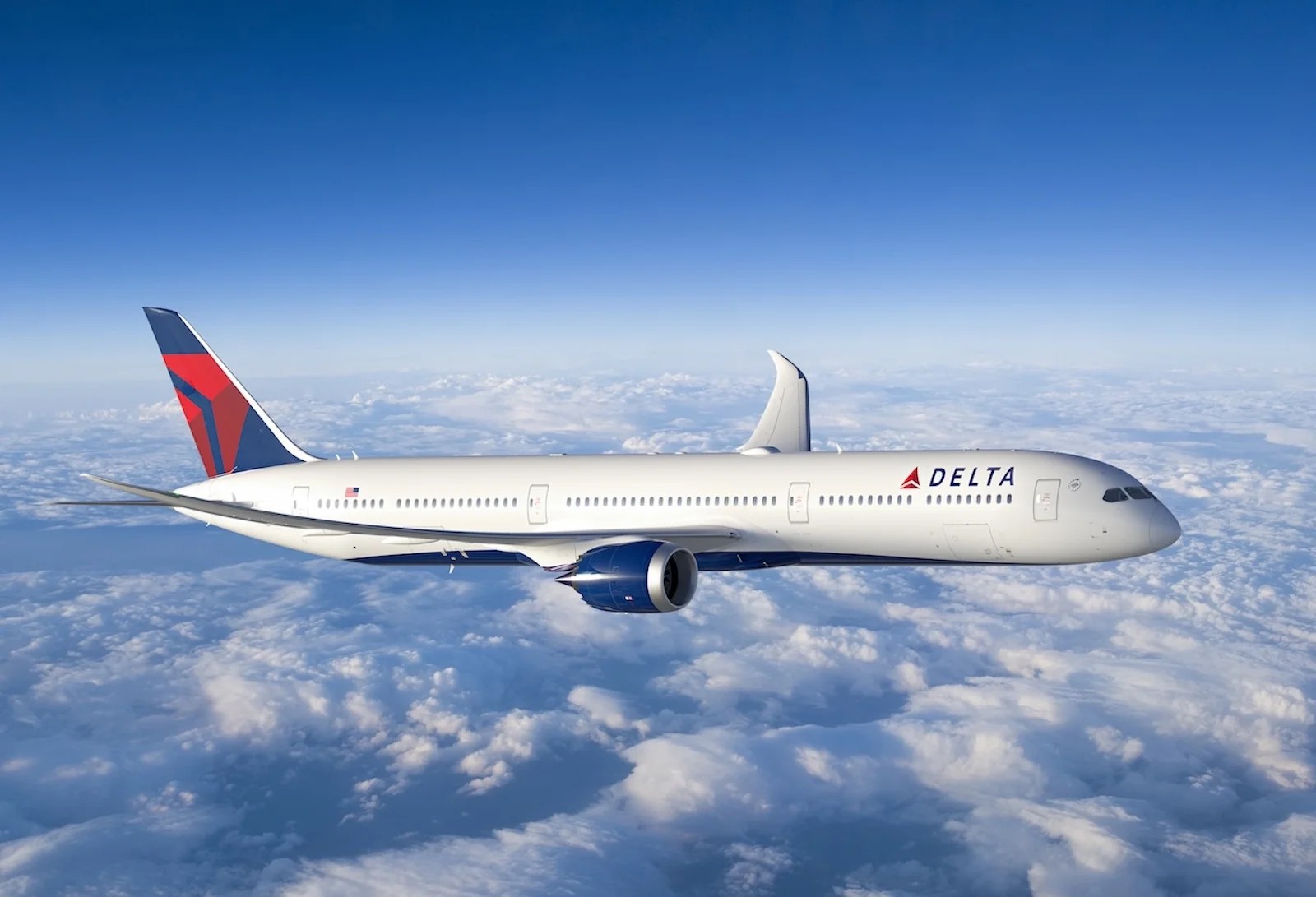
Delta Air Lines has announced a substantial order for 30 Boeing 787-10 Dreamliners, with options for 30 additional aircraft, marking a significant return to Boeing for long-haul fleet expansion. Deliveries are expected to begin in 2031, with the airline planning to use these planes to replace its aging Boeing 767 fleet.
A Strategic Rebalance
For years, Delta has favored Airbus for new aircraft orders. This move signals a strategic rebalance, reflecting the airline’s need for fleet diversity and cost efficiency. While Delta still has many older Boeing aircraft in operation – including 717, 737, 757, and 767 models – recent acquisitions have leaned heavily towards Airbus. The new Boeing order, alongside a previous commitment for 100 Boeing 737 MAX 10s, indicates a renewed confidence in the planemaker.
Passenger Experience and Fleet Modernization
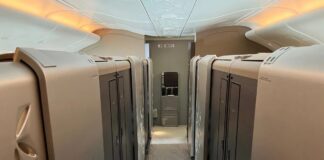
The incoming Dreamliners will feature a premium-heavy configuration, including Delta One Suites in business class and the Delta Premium Select premium economy cabin. The 787-10 also boasts cabin pressurization designed to reduce jet lag by simulating lower altitudes, enhancing passenger comfort on long-haul flights. This fleet modernization is critical for maintaining competitiveness in transatlantic and South American routes where passenger demand is high.
Larger Context: Boeing’s Recent Gains
This deal follows another major order from Alaska Airlines earlier this month, indicating a positive trend for Boeing after recent challenges. Delta currently has 286 new aircraft on order from both Boeing and Airbus, including 232 single-aisle and 54 wide-body planes. The airline’s CFO, Dan Janki, emphasized that the 787 order will create “cost-efficient scale across all widebody fleets.”
Delta’s shift back to Boeing highlights the airline’s evolving fleet strategy. The decision to incorporate the 787 Dreamliner is not just an aircraft purchase, but a strategic move to modernize its long-haul fleet and enhance passenger experience.