For centuries, the Mapuche people of Chile have defied conquest and maintained a deep connection to their ancestral lands. Today, as the world grapples with environmental destruction and cultural loss, the Mapuche offer a powerful example of resistance, resilience, and a worldview centered on respect for nature. Visiting their communities isn’t just a journey; it’s a shift in perspective.
A History Forged in Resistance
The Mapuche, meaning “people of the earth” in their native Mapudungun language, are the most populous Indigenous group in Chile. Unlike many other Indigenous populations in South America, they successfully resisted both the Inca and Spanish empires for centuries. The Chilean state eventually subdued them in the late 19th century through brutal military campaigns—leaving a legacy of displacement and conflict that continues today. Despite this, the Mapuche have not only survived but are actively reclaiming their culture and sovereignty.
This resilience is visible in their ongoing struggle for self-governance. While largely peaceful, tensions with the Chilean government persist, and clashes have led to the stigmatization of Mapuche activists as “terrorists.” Yet, increasing numbers of communities now see tourism as a means to share their story and control their narrative.
The Sacred Araucaria and the Pehuenche Way of Life
At the heart of Mapuche identity lies the pehuén, or araucaria tree—a species that predates the dinosaurs by over 150 million years. These towering conifers, some over 1,600 years old, are not just trees; they are revered as living ancestors. The Mapuche harvest their seeds, piñónes, a sacred food source used in everything from bread to desserts.
The shrinking araucaria forests due to wildfires, logging, and land clearance threaten both the ecosystem and the cultural survival of the Pehuenche (“people of the araucaria”). Matilde Domihual, a Mapuche cook, embodies this struggle. “It hurts our souls when the araucaria burn,” she says, encapsulating the deep spiritual and material loss.
Tourism as a Path to Preservation
Increasingly, Mapuche communities are using tourism to preserve their traditions and reclaim their agency. Along the shores of Lago Budi, the Lafkenche (“people of the sea”) have built a sustainable tourism model. Earnings from cabins and cultural experiences are distributed fairly among families, ensuring that tourism benefits the entire community.
Visitors can participate in weaving, play palín (a traditional hockey-like game), and immerse themselves in a worldview where nature is not a resource to be exploited but a sacred entity to be respected.
Innovation and Adaptation
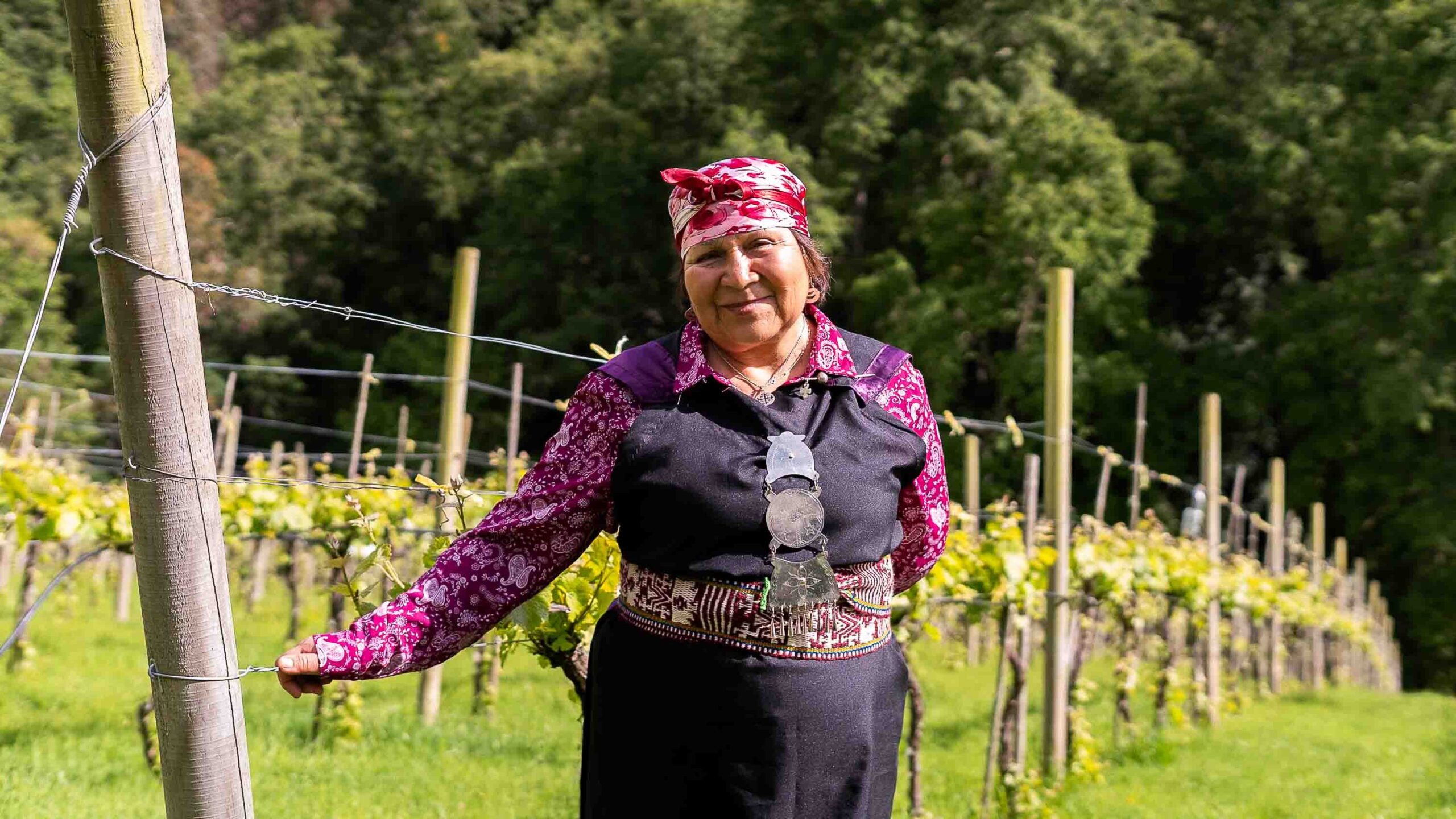
The Mapuche also demonstrate remarkable adaptability. Isolina Huenulao runs Viña Wuampuhue, one of the first Mapuche vineyards, defying the conventional wisdom that grapes cannot thrive in the rainy Araucanía region. Her semi-organic approach—using sheep instead of herbicides—has yielded award-winning wines.
This innovation is born from necessity: climate change is forcing winemakers to seek cooler climates, and the Mapuche are proving that sustainable farming can coexist with tradition.
Spirituality, Healing, and a New Cosmovision
Mapuche spirituality centers on Ñuke Mapu (Mother Earth) and the belief that every element of nature possesses a spirit. The machis, traditional healers, combine herbal medicine with dream interpretation to diagnose and treat ailments.
Western medicine is slowly integrating these ancestral practices, recognizing their value. Pablo Calfuqueo, a community leader, explains the Mapuche perspective on climate change: it’s a consequence of Western societies losing their connection to the natural world.
The Mapuche are not just surviving; they are offering a blueprint for a more harmonious relationship with nature.
The lessons from the Mapuche are clear: respecting the Earth is not just an environmental imperative but a cultural one. Their resilience, innovation, and deep spiritual connection provide a vital reminder that a different way of living is possible—one where humans coexist with nature, not dominate it.