


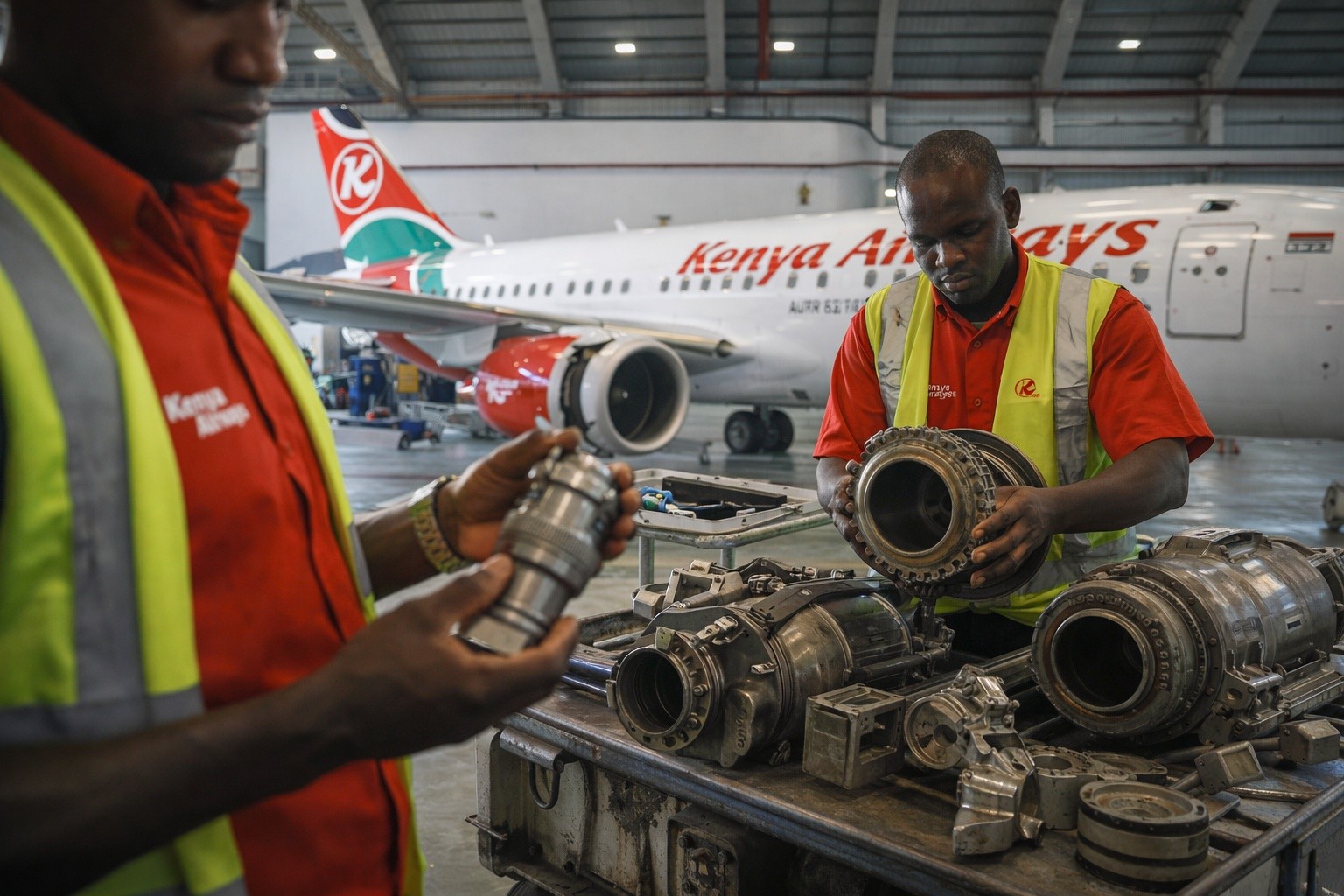
Kenya Airways is facing allegations of widespread corruption within its maintenance department, with whistleblowers claiming employees are stealing aircraft parts and reselling them back to the airline for profit. While the carrier denies the claims, the mere fact that such accusations are credible signals deeper issues within the company’s culture.
The Alleged Scheme
The scheme reportedly involves stolen parts being funneled through a front company before being sold back to Kenya Airways at inflated prices. This type of internal fraud can severely impact operational costs and safety standards, as proper maintenance relies on authentic, untampered components. The accusations suggest a systemic problem rather than isolated incidents, raising questions about oversight and internal controls.
Broader Context
Such corruption isn’t unique to Kenya Airways; airline maintenance is a complex and often opaque process. Parts shortages, long lead times, and high costs can create incentives for illicit activities. This is especially true in regions where regulatory enforcement is weak or where corruption is endemic. The case highlights how deeply embedded such practices can be when oversight is lacking.
Other Aviation News
Beyond the Kenya Airways scandal, several other industry developments have emerged:
- Record Standby Passengers: Alaska Airlines flight AS180 from Seattle to Rome (April 28, 2026) may set a record for standby passengers, indicating high demand and aggressive overbooking practices.
- Luxury Space Tourism: Hotel reservations on the moon are now available for $250,000, though frequent flyer benefits and credit card rewards remain inapplicable.
- In-Flight Humor: A passenger on United Airlines caused minor disruption with a provocative Wi-Fi network name referencing the 9/11 conspiracy theory. Authorities clarify that actual surveillance networks are not labeled so openly.
- Airline Loyalty Changes: Airlines continue to adjust loyalty programs, often at the expense of consumer benefits, such as reducing free checked bags and seat selection.
- Industry Recognition: Emirates honored its President, Sir Tim Clark, for his decades of leadership in the aviation sector.
The Bigger Picture
The Kenya Airways allegations, combined with these other developments, illustrate broader trends in the aviation industry: increasing cost pressures, shifting loyalty programs, and the occasional absurdities of modern travel. Internal corruption remains a significant threat to airline operations, while consumers navigate a landscape of evolving benefits and occasional lapses in good taste.
The case underscores that airlines are not immune to internal crime and that vigilance, oversight, and accountability are essential for maintaining safety and trust.


