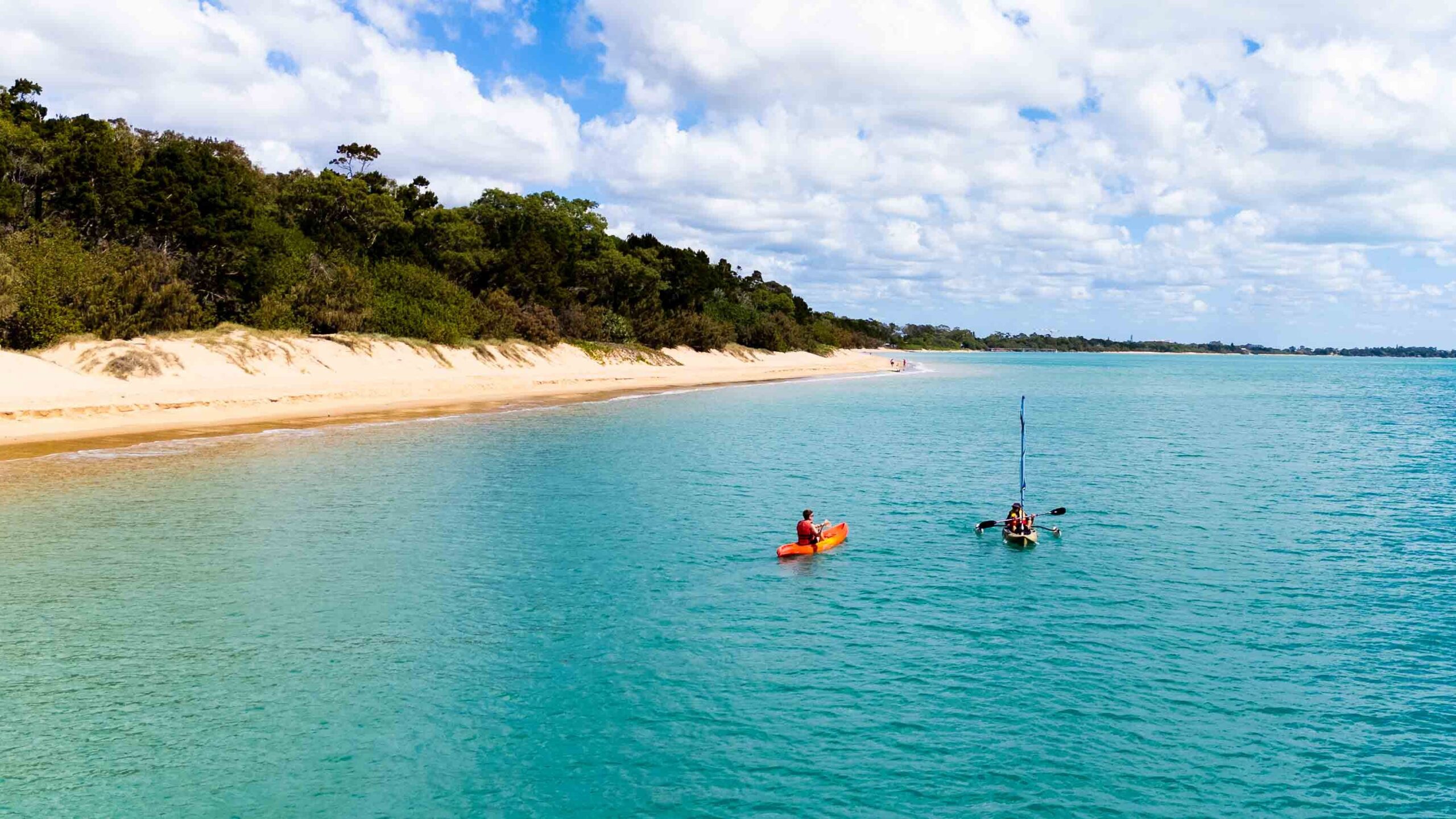
For travelers seeking authentic nature encounters, the quiet coastal town of Hervey Bay in Queensland, Australia, offers a rare combination of pristine wilderness and thrilling adventure. Unlike many destinations where crowds and development encroach on natural habitats, Hervey Bay remains a haven for marine life, preservation efforts, and a uniquely calm experience.
The Humpback Highway
The region’s claim to fame is its role as a crucial breeding and feeding ground for humpback whales. From July to September, these magnificent creatures migrate to the sheltered waters between K’gari (Fraser Island) and Lady Elliot Island, using the calm environment to nurture their calves and prepare for their return to Antarctic feeding grounds. Encounters are frequent and close; tours operate responsibly, ensuring minimal disruption to these gentle giants.
K’gari: Nature’s Frontier
Beyond the whales, the surrounding landscape is equally compelling. K’gari, the world’s largest sand island, feels like a frontier despite its tourism industry. The island’s roads are made of sand, and some areas remain devoid of cell service, offering a raw, untamed experience. Visitors can explore ancient sand dunes (some 900,000 years old, originating from eroded Antarctic mountains) and encounter the island’s wild dingo population. The ecosystem here is balanced, with dingoes helping to regulate herbivore populations.
Eli Creek, fed by underground springs filtered through the sand for over a century, provides crystal-clear waters for a refreshing swim. The island’s stark beauty is further enhanced by the haunting shipwreck of the SS Mahone, a relic of a 1935 cyclone, and the striking layers of iron-rich minerals coloring the dunes in shades of red, orange, and brown.
Lady Elliot Island: A Coral Paradise
A short flight from Hervey Bay lies Lady Elliot Island, a remote coral cay at the southern tip of the Great Barrier Reef. Its inaccessibility keeps crowds at bay, making it a pristine haven for marine biodiversity. The Lady Elliot Island Eco Resort operates entirely on renewable energy, including solar power and desalination, setting a standard for sustainable tourism.
Snorkeling and reef walks reveal a vibrant underwater world: manta rays, turtles, reef sharks, dolphins, giant clams, and countless tropical fish thrive in the protected waters. The island’s small size allows for easy exploration, with a chance to encounter turtles at every turn.
Responsible Whale-Watching and Conservation
Hervey Bay’s whale-watching tours aren’t just about sightseeing; they’re part of an ongoing conservation effort. Organizations like The Pacific Whale Foundation reinvest profits into research, education, and advocacy. Tourists can contribute by submitting whale photos to platforms like Happy Whale, aiding in population tracking and health monitoring.
The region’s success in protecting humpback whales stems from a blend of dedicated local stewardship and a growing awareness among tourists of their role in conservation. The convergence of these factors ensures that Hervey Bay remains a true sanctuary—a place where adventure, purity, and preservation coexist.
This is why the Eastern humpback whale, and modern adventurers seeking a genuine connection with the wild, continue to choose this unassuming Queensland town as their nursery and escape.