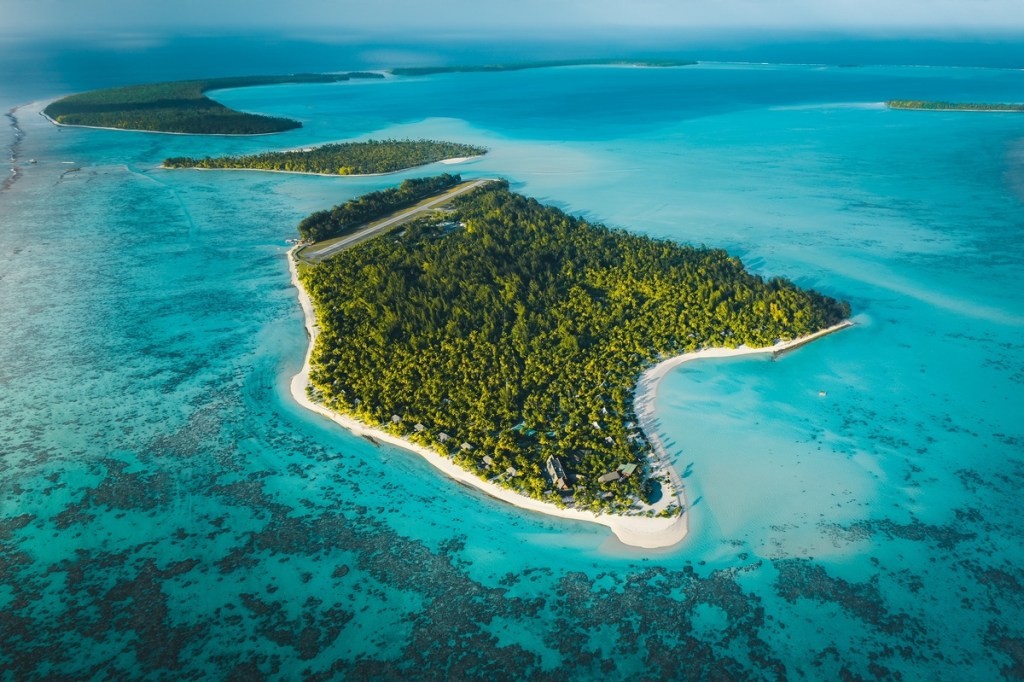
The stark reality of climate change isn’t felt equally everywhere. On remote, low-lying islands – atolls – the consequences are immediate and visible. Tetiaroa, a Pacific atoll in French Polynesia, is a testing ground for how conservation can function in the face of rising sea levels, shifting ecosystems, and the economic pressures of ultra-luxury tourism.
The Paradox of Pristine Preservation
Tetiaroa is home to The Brando, a high-end resort built in partnership with Marlon Brando and managed by the Tetiaroa Society. While the island projects an image of untouched paradise, Richard Bailey, the Society’s co-founder, emphasizes that its true value lies in its ecological and cultural function, not in any imagined “untouched” state.
This is a critical distinction: conservation isn’t about freezing a place in time, but about managing a dynamic system under stress. The atoll’s twelve small islets are already changing. Coral is bleaching, turtle populations are skewing female due to warming sands, and erosion is accelerating. These aren’t distant threats; they’re observable in real-time.
An Economic Model for Survival?
Bailey argues that Tetiaroa’s future depends on recognizing it as an economic model as much as an ecological one. The resort generates revenue that directly funds conservation efforts, creating a financial incentive to protect the atoll’s resources. This approach is controversial: can luxury tourism truly be a force for preservation, or does it merely greenwash exploitation?
The answer is likely complex. The success of this model hinges on strict management, transparency, and a genuine commitment to long-term sustainability. If the atoll’s natural beauty or Polynesian cultural ties are compromised, the economic foundation collapses, along with the conservation efforts it supports.
As Bailey puts it, “If we lost or vitiated its natural beauty, or disrespected its connection to Polynesian culture and history, our business would fail.”
The future of Tetiaroa will depend on whether this economic reality can drive genuine conservation or simply mask another form of extraction. The island’s fate serves as a microcosm for the broader challenge of balancing economic incentives with environmental sustainability in a rapidly changing world.