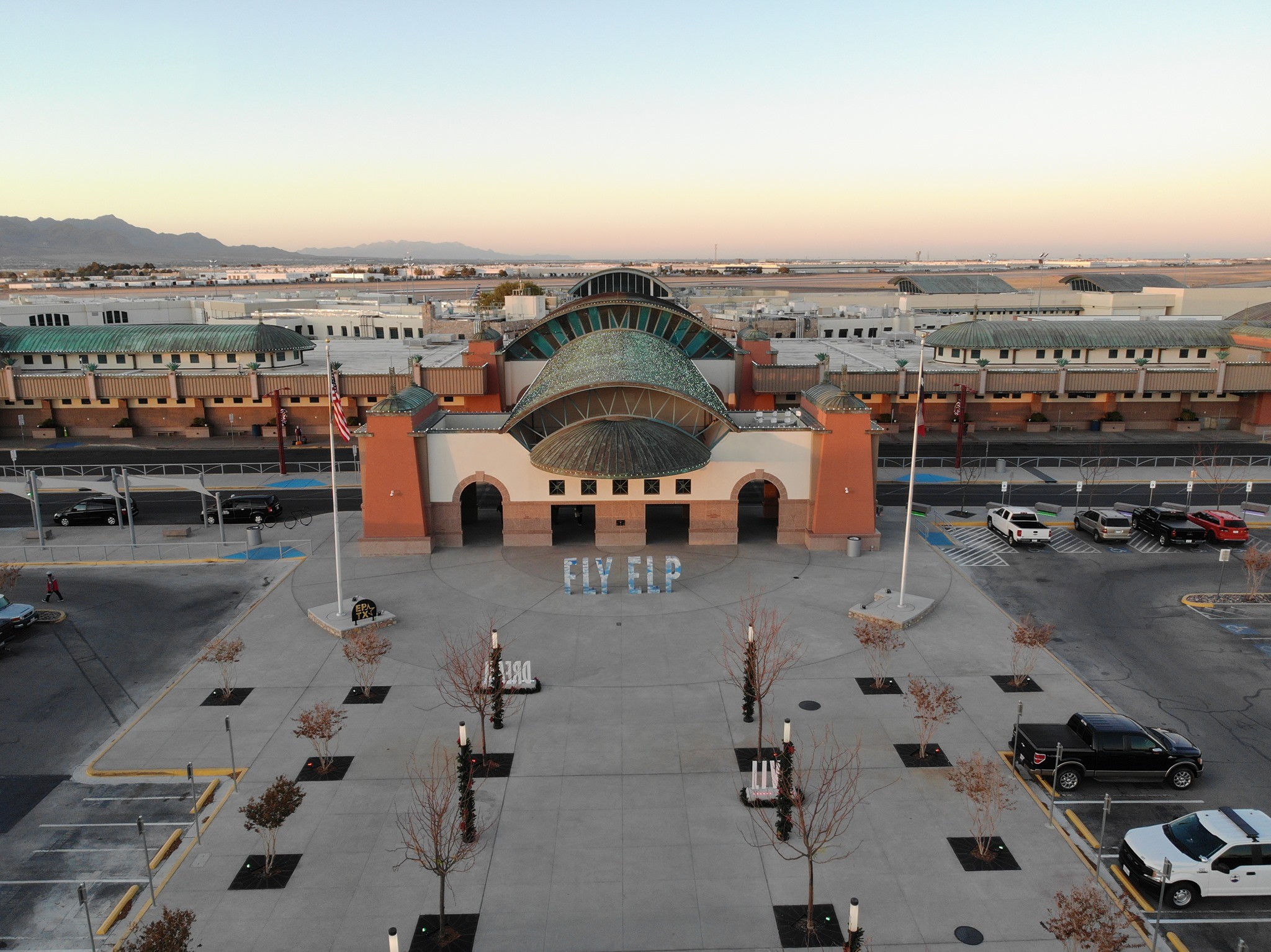
The El Paso International Airport was temporarily shut down this week, not due to alleged cartel drone incursions as initially suggested, but because of reckless and uncoordinated military drone operations conducted by the U.S. Defense Department. The airspace closure, which lasted less than 24 hours despite initial projections of a 10-day suspension, stemmed from military activity endangering commercial air traffic.
The Real Cause: Uncoordinated Military Operations
According to sources, the military has been operating unmanned aircraft near the airport to monitor cartel activity without adequate communication with the Federal Aviation Administration (FAA). This created a dangerous overlap between military and civilian airspace, forcing the FAA to take drastic action.
“It has to do with the FAA’s inability to predict where [unmanned aircraft systems] might be flying,” one official told the Chicago Tribune. “They have been operating outside the normal flight paths.”
The FAA’s shutdown served a dual purpose: immediate safety for commercial flights and a forceful message to the military to curb its reckless behavior. The administration quickly intervened to reign in the military’s unauthorized drone activity.
A Pattern of Disregard for Air Safety
This incident is not isolated. The military has also resisted safety reforms at Washington D.C.’s National Airport, seeking to preserve helicopter training flights in close proximity to commercial passenger planes. These actions raise serious questions about the military’s willingness to prioritize operational convenience over civilian air safety.
The shutdown of El Paso airport was an escalation in a long-running dispute between the FAA and military branches. The FAA took decisive action when the military’s activities became an unacceptable risk to commercial flights.
Conclusion
The El Paso airport shutdown highlights a critical breakdown in communication and coordination between the FAA and the U.S. military. The incident underscores the need for stricter oversight of military drone operations near civilian airspace, as well as a renewed commitment to prioritizing air safety above all else.