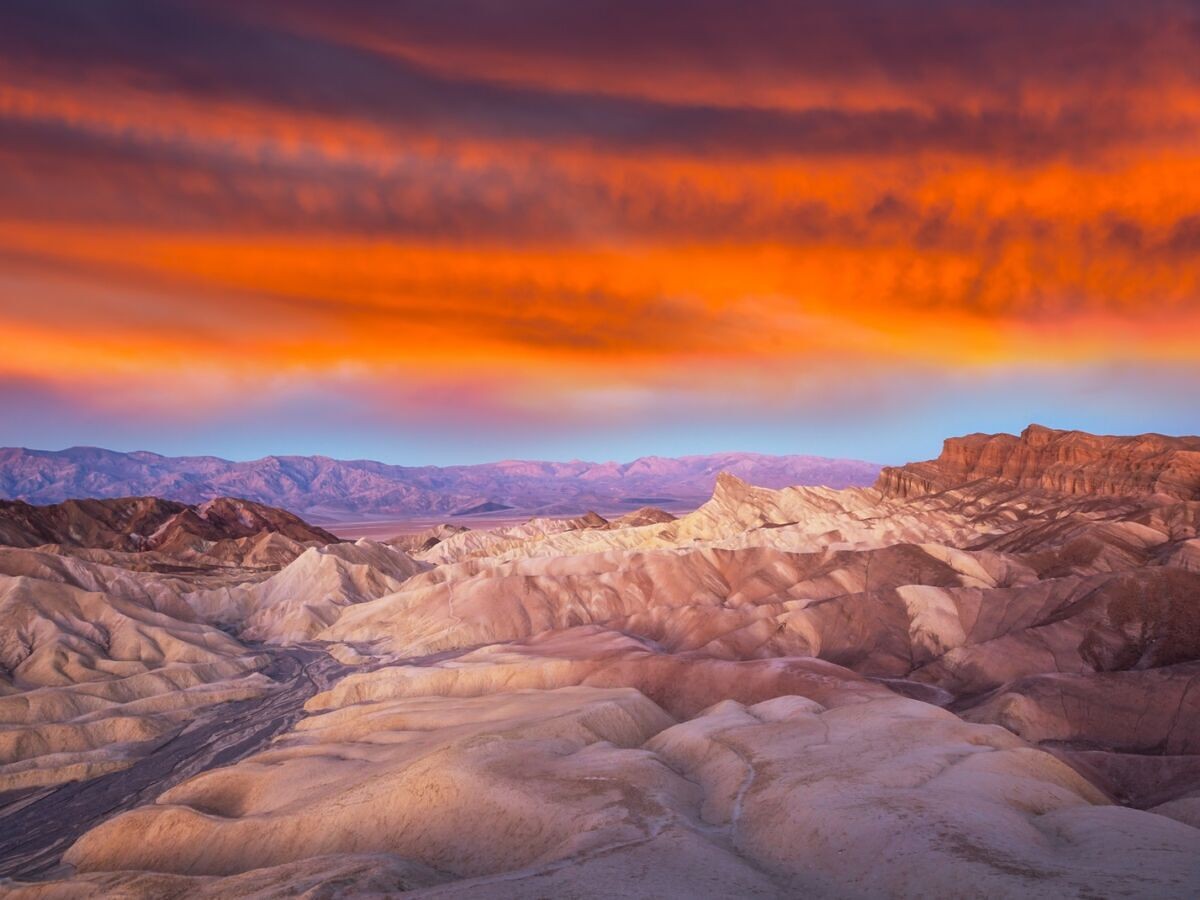
A new study reveals that Death Valley National Park consistently receives the most negative feedback from visitors, based on an analysis of nearly 96,000 online reviews. The report, conducted by outdoor retailer Kühl, found that 12.3% of Death Valley reviews express frustration or disappointment – a higher rate than any other US national park.
Crowds and Infrastructure Drive Discontent
Despite the park’s dramatic desert landscapes and unique geological features, the primary complaints center on overcrowding, high prices, and inadequate infrastructure. Visitation to Death Valley has surged in recent years, jumping 31% from 2023 to over 1.4 million visitors in 2024. This influx strains limited resources like shade, services, and parking, leading to negative experiences for some.
“The rock formation is not that great, quite dusty, hot, etc. Feels like an open pit mine,” one Google reviewer wrote.
Other parks in the top five include Petrified Forest National Park (9.2% negative sentiment), Zion National Park (7.8%), Wind Cave National Park (7.7%), and Mammoth Cave National Park (7.3%). Common descriptors across these parks include “underwhelming,” “too crowded,” and “packed.” Zion’s popularity, for example, forces a mandatory shuttle system due to the sheer volume of visitors attempting to access its main canyon. Similarly, guided cave tours at Wind Cave and Mammoth Cave often pack in 40–110 guests at a time.
High Ratings Despite Complaints
Notably, even the “most disappointing” parks maintain high overall ratings. Death Valley averages 4.87 out of 5 stars, while Petrified Forest scores 4.79. Despite negative feedback, the vast majority of reviewers report positive experiences. Many call these parks “beautiful,” “fascinating,” and “epic.”
The Bigger Picture: Overcrowding in Parks
The study emphasizes that overcrowding, not the natural beauty itself, is the root cause of most dissatisfaction. Parks are facing unprecedented visitor numbers, particularly in iconic locations where limited space creates bottlenecks. The trend reflects increasing demand for outdoor recreation, coupled with inadequate infrastructure to accommodate the crowds.
Visiting during off-peak seasons or exploring less-traveled areas within parks can mitigate these issues. However, the overall takeaway is clear: even the “most disappointing” national parks still offer overwhelmingly positive experiences for most visitors. The data highlights a simple trade-off: popular destinations are crowded, but the scenery remains exceptional.