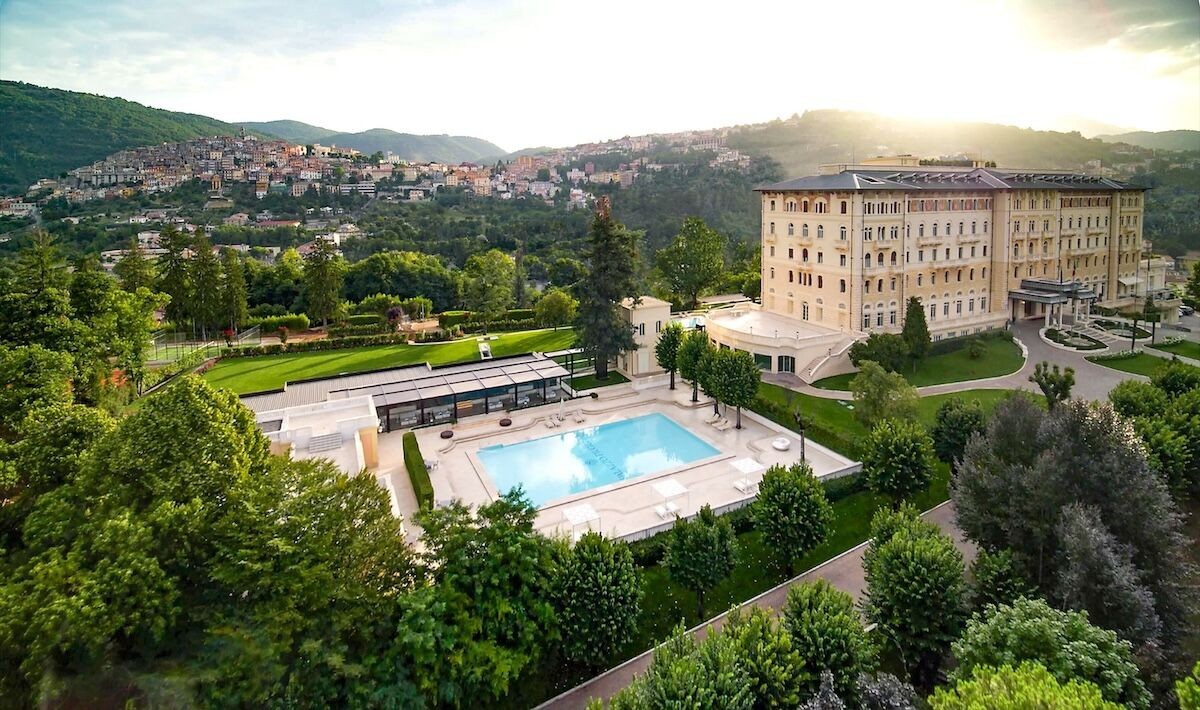
Palazzo Fiuggi, a restored Italian palace, represents the apex of the booming medical wellness industry. More than just a luxury hotel, it’s a sanctuary where guests undergo comprehensive health assessments, genetic testing, and personalized longevity programs—all while enjoying high-end accommodations. This isn’t about escaping; it’s about meticulously optimizing the body.
A History Rooted in Healing
The town of Fiuggi, Italy, has been a destination for wellness for centuries. Its mineral spring, dubbed the “spring of life,” drew ancient Romans, monks, and even Michelangelo, who sought its restorative properties. The town’s healing legacy predates modern medicine by over 1,500 years.
In the 500s AD, San Benedetto established what could be considered the first national health system, centered around herbal remedies. Many of today’s pharmaceuticals trace their origins to these ancient discoveries. The region has always been dedicated to healing.
Modern Diagnostics, Ancient Traditions
Today, Palazzo Fiuggi blends this history with cutting-edge science. The hotel itself is a masterpiece: frescoed ceilings, marble statues, and antique paintings create an atmosphere of decadent serenity. Beneath the beauty lies a relentless focus on quantifiable health improvements. Guests receive tailored programs designed by medical teams, with meals curated by Michelin-star chefs to maximize wellness.
The industry is massive and growing. At $2,000 for a three-day program, this isn’t accessible to everyone, but it represents a clear trend: the wealthy are willing to spend aggressively on longevity and performance enhancement.
The Palazzo Fiuggi Experience
Programs range from detox and weight loss to longevity optimization, each beginning with a ritual of drinking Fiuggi’s mineral water—believed to reduce inflammation, blood pressure, and improve kidney function. Food is treated as medicine: colorful, vegetable-forward, and precisely calibrated for nutritional impact.
Palazzo Fiuggi distinguishes itself by integrating professional medical oversight. Comprehensive assessments, including blood panels and metabolic analysis, are overseen by physicians who collaborate with specialists from nearby Villa Stuart hospital when needed. Dr. Maya Skupien, who oversees spa therapies, notes that “Longevity without medicine doesn’t exist.” The approach combines data-driven biohacking with traditional therapies such as sound baths and pressure-point massage.
The rules are strict: no sugar, dairy, pasta, alcohol, or coffee. The experience is designed to force a reset. Guests are subjected to sleep-tracking headbands, thalassotherapy (alternating between hot salt pools and ice plunges), and even high-pressure water treatments. One guest described the latter as “humbling,” noting the esthetician powerwashed them naked to stimulate circulation.
The Importance of Human Connection
Beyond the diagnostics and treatments, Palazzo Fiuggi fostered a sense of community. The author found a fellow guest, Stephanie, with whom they shared meals and experiences. Fixed menus and assigned seating encouraged conversation. This social element proved surprisingly restorative, offering a human touch in a hyper-curated environment.
A Luxury Reset
Palazzo Fiuggi offers a highly customized reset for those seeking health optimization. The pursuit of wellness, with structured rest, focused evaluation, and time away from daily stressors, is itself a luxury. The facility provides a clear illustration of why biohacking and longevity have become obsessions for the affluent: people want to feel better for longer, and they’re willing to pay for it.
The facility demonstrates that self-care, when meticulously planned and medically supervised, can be both effective and deeply restorative.