Southwest Airlines, once known for its quirky, customer-focused culture, is now described by passengers and flight attendants as the most “uptight” major carrier in the US. The shift isn’t about specific policy changes alone—it’s a fundamental change in how the airline operates, enforcing rules with an unprecedented rigidity.
The New Rules of Engagement
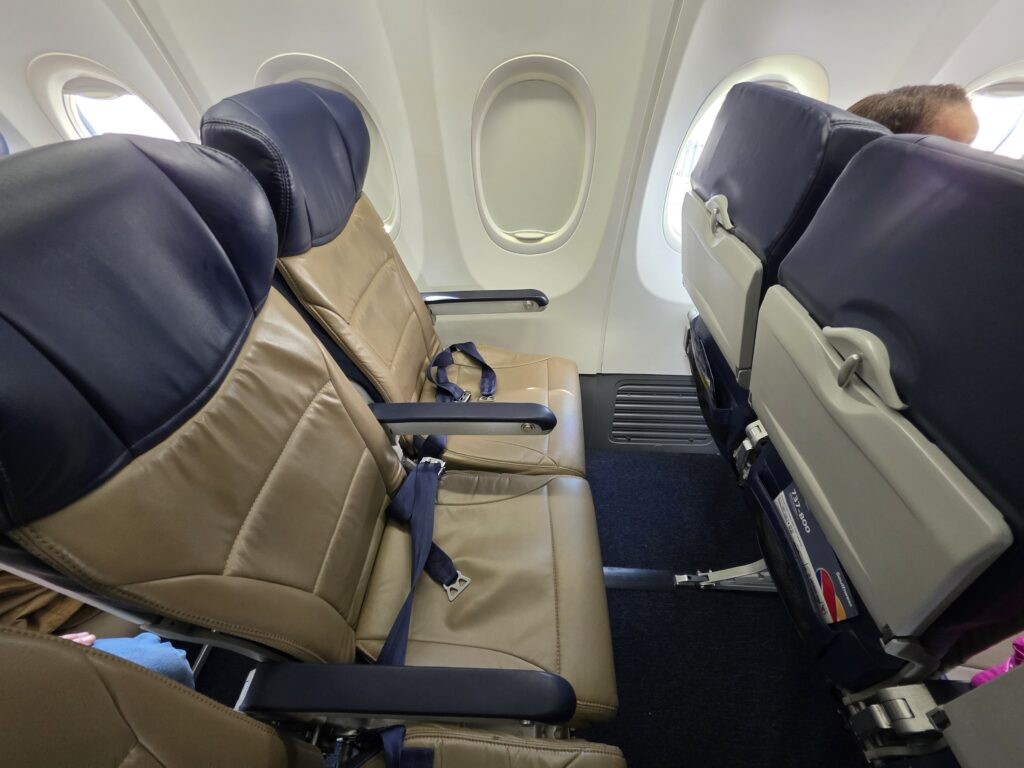
The most visible change is the strict enforcement of assigned seating, even when rows remain empty. Passengers are no longer allowed to move to available seats, including those with extra legroom. Gate agents have limited discretion for changes within 30 minutes of departure. This contrasts sharply with competitors like Delta, where passengers can move freely within the same cabin class, provided they follow flight attendant instructions.
This isn’t an isolated issue; it’s part of a broader shift toward conventional airline practices. Southwest now charges for bags and seats, expires travel credits, and offers a premium legroom product that lags behind competitors in amenities. CEO Bob Jordan defends the changes, claiming that the airline’s “people” are still its greatest asset, yet critics argue this is a hollow assertion.
The Erosion of Culture
The transformation isn’t just about revenue; it’s about control. Passengers report a noticeable decline in hospitality, with flight attendants now enforcing seating rules rather than fostering a relaxed atmosphere. The airline has essentially instructed staff to prioritize compliance over customer experience. The cultural shift has coincided with high employee turnover (20% during the pandemic) and the 2022 operational meltdown, where many employees no longer recall the airline’s original ethos.
Cost Cutting and Corporate Restructuring
The change in culture is tied to cost-cutting measures and a restructuring of the business model. CEO Jordan proudly announced layoffs in the Q4 earnings call, framing them as a necessary step to improve efficiency. He noted that the company moved “faster” after the layoffs, even celebrating the reduction in headcount. The airline once prided itself on “empowering people to deliver unrivaled hospitality,” but now appears focused on maximizing profits.
The Legacy of Fun
Southwest’s original culture, built by Herb Kelleher, was deliberately playful and customer-centric. Flight attendants were encouraged to be creative and engaging, with some even rapping safety announcements. The airline fostered a sense of community and fun that set it apart. But decades of operational shifts and management changes have slowly eroded that legacy.
Despite claims to the contrary, the culture of Southwest Airlines has changed fundamentally. The airline has traded its unique identity for a conventional, profit-driven approach, leaving many passengers and employees feeling like something valuable has been lost.
The changes aren’t just about convenience; they represent a deeper shift in how Southwest views its relationship with customers. It’s a move from prioritizing experience to enforcing rules.