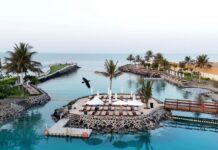
Ko Lipe, once a remote Thai island paradise, has succumbed to unsustainable tourism. A recent return visit confirms what many feared: the island is now heavily developed, with natural resources strained and local communities displaced. The experience serves as a stark warning about the destructive potential of unchecked tourism growth.
From Backpacker Haven to Tourist Trap
In 2006, Ko Lipe was a hidden gem. Electricity was limited, accommodations cost next to nothing, and the pace of life was slow. It was a place where travelers lingered for weeks, connecting with locals and enjoying an idyllic escape. Now, that tranquility is gone. The island has embraced the same aggressive development pattern seen on Ko Phi Phi, with concrete replacing dirt paths, resorts rising where palm trees once stood, and coral reefs dying from pollution and overfishing.
The rapid construction continues, despite the island’s limited freshwater supply. Beaches are crowded with tour boats, spewing exhaust into the water. Restaurants prioritize Western food over authentic Thai cuisine, catering to mass tourism rather than local tastes.
Local Impact and Unsustainable Practices
The boom has forced many locals to sell their land to mainland developers, leaving them with little benefit from the influx of money. The workforce has shifted as well, with mainland laborers now dominating the island’s economy. This displacement highlights a common pattern in Thailand: economic exploitation under the guise of progress.
The current state of Ko Lipe is unsustainable. The island’s ecosystem is collapsing under the strain, and its unique charm is disappearing.
Why Avoiding Ko Lipe Matters
While the island still appears picturesque to first-time visitors, the underlying reality is grim. The azure water and white sand hide a decaying environment. The national park tours offer a temporary illusion of pristine nature, but the damage is happening just offshore.
The author’s conclusion is blunt: people should not visit Ko Lipe. Every tourist dollar further accelerates the destruction. There are other, better-managed islands in Thailand – Ko Lanta, Ko Jum, and Ko Mook, to name a few – that offer similar beauty without the same level of exploitation.
The Power of Conscious Travel
The situation on Ko Lipe isn’t unique. The same pattern has played out across Thailand and beyond. However, consumer choices can drive change. The decline of unethical elephant tourism and the rise of eco-lodges demonstrate the impact of conscious travel.
Avoiding Ko Lipe won’t solve the problem overnight, but it’s a step towards reducing the pressure on a fragile ecosystem. The island has already reached its breaking point.
“Sometimes you just have to say enough is enough. And Ko Lipe is a place where enough is enough.”
Choosing to skip Ko Lipe isn’t just about preserving a paradise; it’s about recognizing that your travel decisions have consequences.