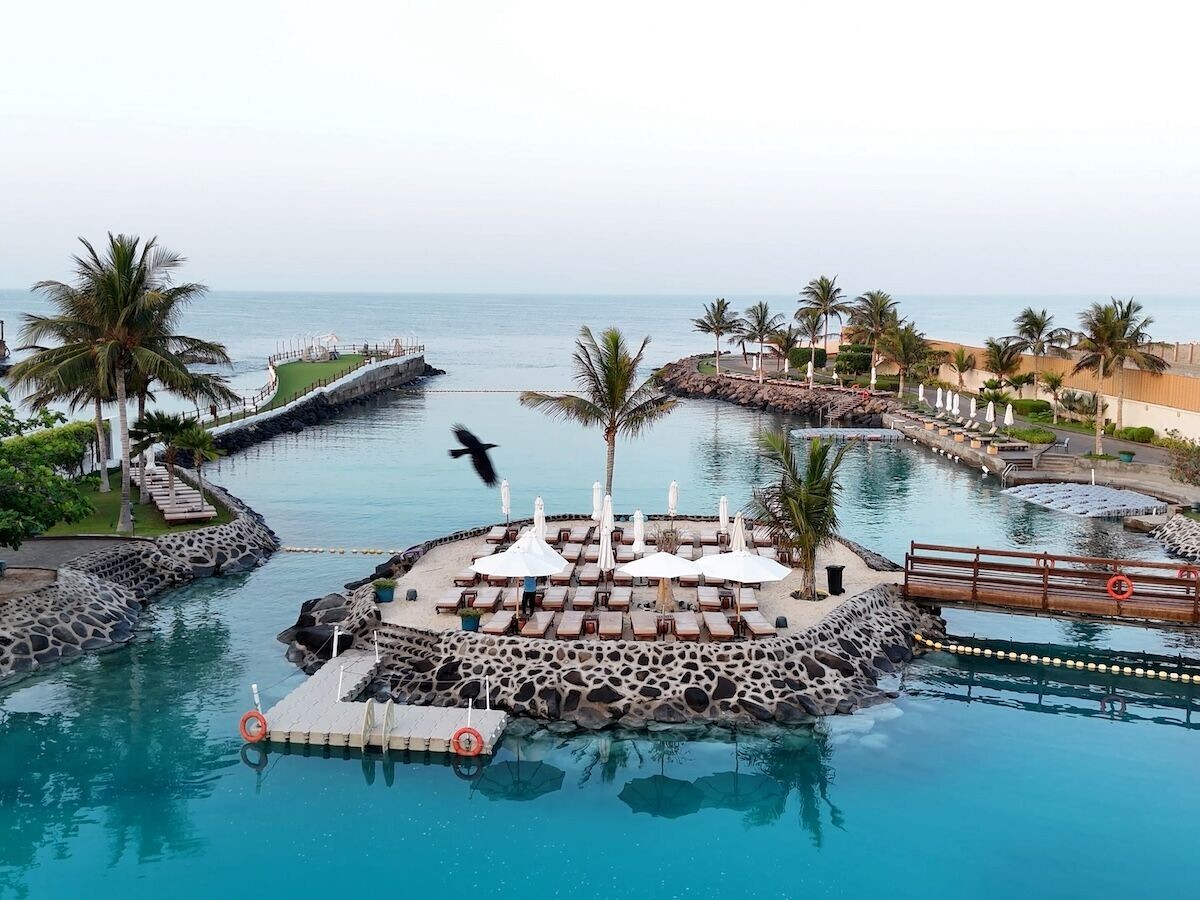
Saudi Arabia is undergoing a significant transformation in its tourism and wellness sectors, marked by the rise of women-only resorts and spaces designed to cater to evolving social norms. This trend isn’t merely about segregation; it’s about providing options for women who desire privacy and comfort in a country where traditional dress remains prevalent but personal preferences are increasingly diverse.
The Demand for Privacy and Relaxation
The emergence of women-only beaches, like La Maison D’Obhur near Jeddah, is driven by a straightforward need: women want to relax without the constraints of societal expectations or unsolicited attention. Many Saudi women, though no longer legally required to do so, continue to wear abayas and hijabs in public. This makes the opportunity to sunbathe in swimwear within a secure, female-only environment highly appealing.
As Abdulrahman Talal Fakieh, general manager of La Maison D’Obhur, explains, “The demand has grown because these venues offer privacy, safety, and a tailored guest experience designed specifically around women’s preferences.” These resorts go to lengths to ensure discretion, including placing stickers over phone cameras to prevent unauthorized photos.
Vision 2030 and Tourism Diversification
The growth of these wellness spaces aligns with Saudi Arabia’s ambitious Vision 2030 plan, which aims to diversify the economy and attract 150 million tourists annually. By catering to a broader range of preferences, including those of women seeking privacy, the country is positioning itself as a more inclusive destination.
This approach isn’t about segregation but rather about providing choice. As Gordana Lazic, Communications and PR Manager at the Fairmont Riyadh, puts it, “Women are increasingly defining how and where they want to spend their time, and the industry is responding by creating spaces that feel aligned with their comfort and values.” The Fairmont Riyadh, for example, offers women-only access to its spa and wellness facilities.
Balancing Tradition and Modernity
The shift isn’t without its complexities. While some resorts, like Shaden Resort in AlUla, take a more laissez-faire approach with mixed-gender pool access, the experience can feel jarring for visitors. The true success of these changes will depend on striking a balance between international luxury standards and local cultural awareness.
The evolution is still unfolding in real time. The future of tourism in Saudi Arabia hinges on how women, particularly Saudi women, will shape these spaces to reflect their own comfort and preferences. Ultimately, the goal is to create an environment where all women can feel relaxed and confident, whether they choose to wear traditional attire or swimwear.