


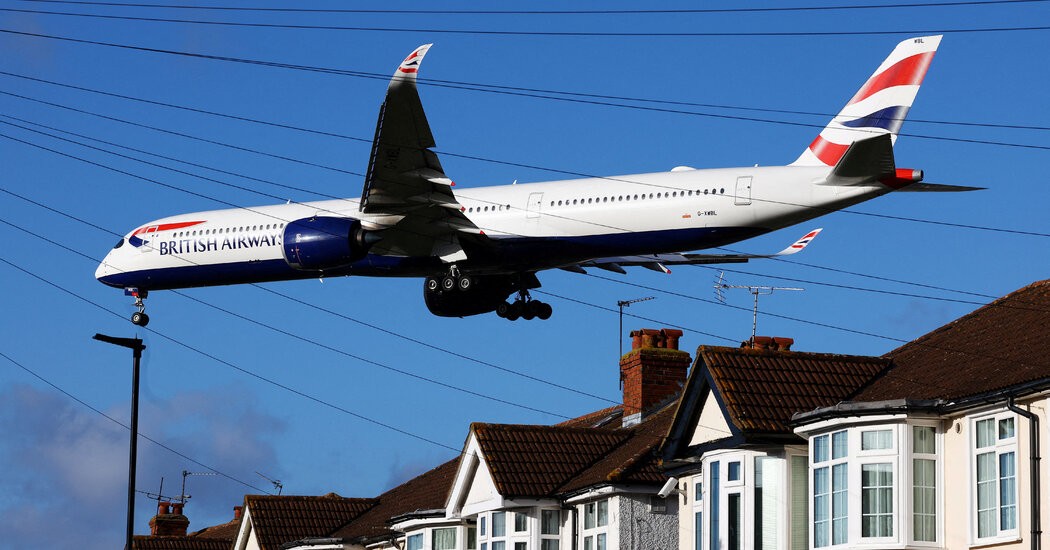
Starting February 25, 2026, travelers from the United States, Canada, and most European nations who previously entered the United Kingdom visa-free will now be required to obtain and pay for a digital travel authorization called an ETA (Electronic Travel Authorization). This change extends a system first implemented in late 2023 for Gulf states, significantly broadening its scope to include major travel markets.
What is the ETA?
The ETA is linked to a traveler’s passport and is valid for two years, allowing for multiple short-term visits (under six months). It’s not a visa, and existing visa requirements for citizens of many countries remain unchanged.
The British Home Office states the system is designed to modernize border security through a “streamlined, digital immigration system.” The ETA process involves an online application and a fee, details of which are available on the official UK government website.
Who Needs to Apply?
The new requirement affects all visa-exempt travelers, including those simply passing through UK airports – provided they go through border control during their connection. This means even transit passengers may need to apply. The full list of nationalities subject to the ETA is available online, and failure to obtain authorization before travel can result in denied entry.
The introduction of the ETA is part of a global trend toward increased digital border controls. Similar systems exist in other countries (like the ESTA in the United States), often justified by security concerns and efforts to track foreign visitors more effectively.
This change raises questions about the potential impact on tourism and business travel to the UK. While officials tout efficiency, the added cost and bureaucratic step may deter some visitors, especially those making spontaneous trips.
The new ETA requirement is now in effect, and travelers should apply well in advance of their planned travel dates to avoid disruptions.
The UK’s shift to a paid digital travel authorization system underscores a broader move toward tighter border controls worldwide. The policy’s long-term effects on travel patterns remain to be seen, but the immediate impact is clear: entering the UK will now cost most visa-exempt visitors more than it used to.


