The U.S. offers a stunning array of working farms and cultivated fields that open to the public for seasonal flower viewing, cutting, and shopping. From the mass displays of tulips in Washington and Michigan to smaller, family-run lavender farms in New York, these destinations provide immersive experiences beyond simple sightseeing. The increasing popularity of these locations reflects a broader trend: consumers seeking direct engagement with agricultural production and a desire for unique, photogenic experiences.
Spring’s Tulip and Ranunculus Displays
Many of the most iconic flower fields peak in the spring. Burnside Farms in Virginia showcases over 70 acres of tulips in April, drawing crowds from Washington, D.C., and beyond. By mid-summer, this same land transforms into a sunflower festival with opportunities for visitors to cut their own stems.
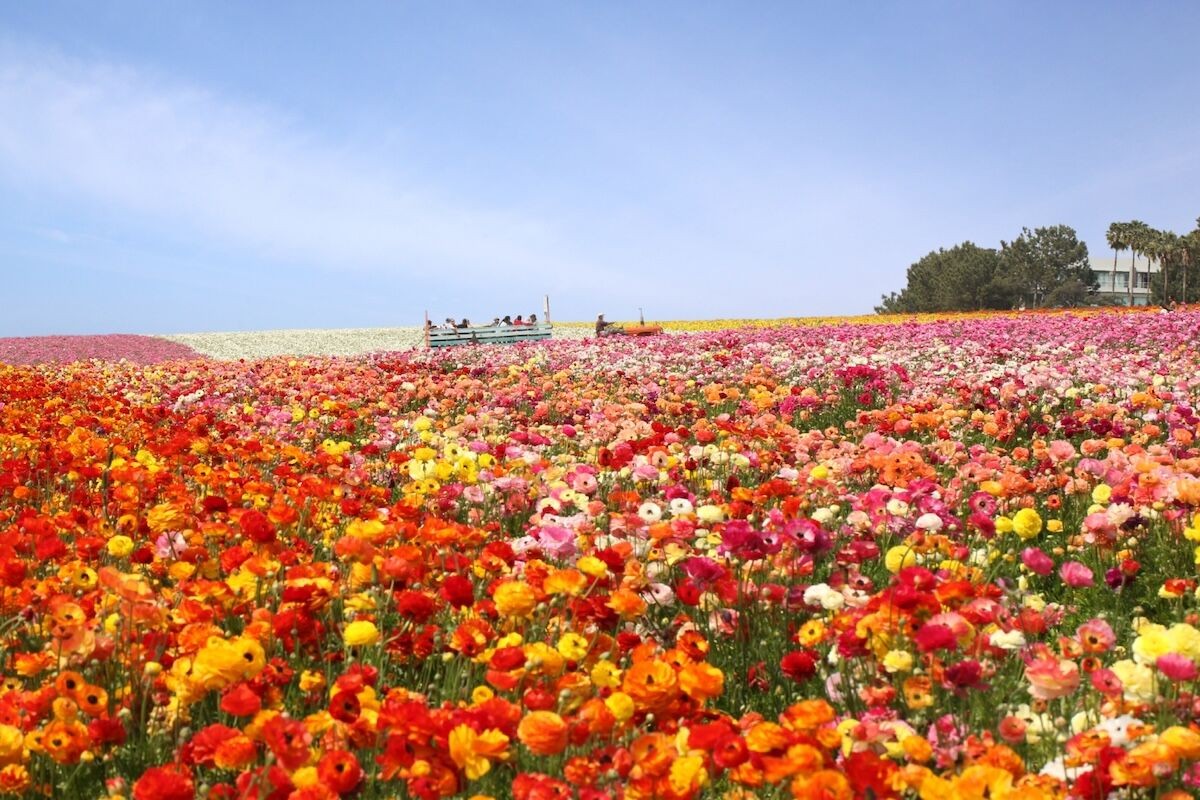
Further west, The Flower Fields at Carlsbad Ranch in California bloom from March through May with giant ranunculus. This 50-acre display has roots in the early 1920s and now includes themed gardens, wagon rides, and seasonal art installations. The fields’ consistent popularity demonstrates the enduring appeal of large-scale floral exhibitions.
On the East Coast, Holland Ridge Farms in New Jersey plants millions of tulips each spring. This family-run operation, founded by Dutch growers, offers timed-entry tickets for peak bloom weeks and allows guests to pick and purchase stems. The farm’s scale—and its proximity to major metropolitan areas—makes it a significant seasonal draw.
Similarly, Holland Tulip Time and Gardens in Michigan showcase over five million tulips across the city, tying into its Dutch heritage. The annual Tulip Time Festival adds cultural events and traditional displays alongside the blooms, solidifying the region’s identity as a floral destination.
In Washington, the Skagit Valley Tulip Festival unfolds across multiple farms between Mount Vernon and La Conner. Unlike a single venue, this festival operates as a valley-wide bloom season, with fields accessible from roads and designated pull-offs.
Finally, Wooden Shoe Tulip Farm in Oregon hosts an annual Tulip Festival in March and April. Acres of brightly colored tulips stretch toward Mount Hood, and the farm hosts events like the Tulip Trail Run, offering recreational activities alongside the floral displays.
Summer Sunflower Fields
As spring fades, sunflower fields take center stage. Anderson Farms in Colorado dedicates roughly 15 acres to sunflowers in late summer, allowing visitors to wander through rows of blooms and cut their own stems. The farm’s popularity speaks to a growing interest in seasonal agricultural experiences.
In Georgia, Fausett Farms opens its sunflower fields for a short period in late July and August. The tightly planted rows draw visitors from Atlanta, highlighting the localized appeal of these events.
Florida’s Sledd’s U-Pick Strawberry Farm also features a four-acre sunflower maze in the summer, diversifying its seasonal offerings and attracting a broader audience.
Lavender Fields in Bloom
Lavender fields provide a different kind of sensory experience. Lavender by the Bay in New York grows 17 acres of fragrant lavender on Long Island. Timed-entry tickets control access during peak bloom, and the farm sells fresh-cut bunches, essential oils, and honey from its own beehives. The dual operation—lavender and honey—demonstrates a trend toward diversified farm experiences.
In Washington, Purple Haze Lavender Farm blooms in late June and July. The farm’s location in Sequim adds to its appeal as a destination for both floral tourism and regional exploration.
The rise of these flower farms highlights a shift in consumer preferences toward immersive, experiential tourism. They cater to those who seek direct interaction with nature, local agriculture, and memorable photo opportunities.
In conclusion, these destinations provide not just visual beauty but also a connection to the land, the seasons, and the communities that cultivate these vibrant displays. Whether drawn by tulips, sunflowers, or lavender, visitors are increasingly seeking authentic, engaging experiences that go beyond traditional sightseeing.