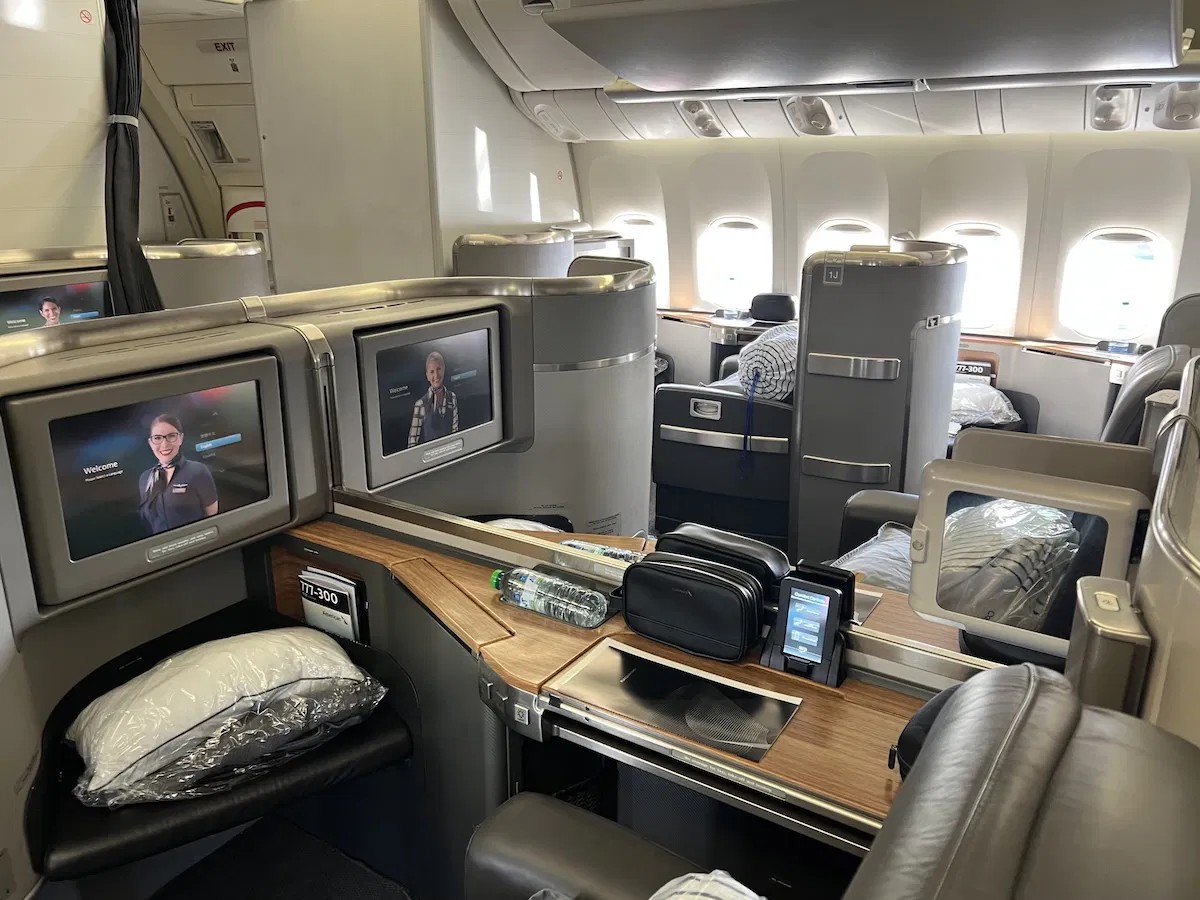
A former Vogue editor, Gabriella Karefa-Johnson, recently downgraded herself from first class to business class mid-flight due to what she described as substandard service and “persistent micro-aggression” from a flight attendant. The incident occurred on an American Airlines transatlantic flight from New York (JFK) to London (LHR), a route she specifically chose for its first-class cabin availability.
The Incident and Passenger Claims
Karefa-Johnson, a Concierge Key member (American Airlines’ elite status tier), detailed the situation on social media, stating that she was one of only two non-white middle-aged men in a six-seat first-class cabin. She alleges that the flight attendant exhibited dismissive behavior from the moment she boarded, prompting her to move to business class rather than endure further mistreatment.
“I don’t suffer fools, and I would sacrifice physical comfort to protect my emotional and mental well-being any day.” – Gabriella Karefa-Johnson
The downgrade itself required coordination with other passengers, as it involved finding someone willing to accept an upgrade in exchange for her seat. While such swaps are possible, the situation highlights the extreme lengths a passenger will go to avoid a hostile cabin environment.
Broader Trends in Airline Service
This incident isn’t isolated. Accounts from other American Airlines passengers flying out of JFK suggest that inconsistent or dismissive service is not uncommon, particularly on long-haul flights. One traveler reported a similar encounter where a flight attendant responded rudely to a passenger’s request to clarify seating arrangements with family members. These experiences raise questions about airline training, employee morale, and the potential for implicit bias in service delivery.
The case of Karefa-Johnson also underscores the paradox of loyalty programs: elite status members may face more scrutiny or indifference from crew members who recognize their influence but still provide poor service.
The Cost of Comfort?
Karefa-Johnson’s decision to downgrade raises an interesting point about the value of first-class travel. She specifically routed through London to experience first class, only to find the service unacceptable. The incident suggests that the premium experience isn’t always guaranteed, even for high-paying, frequent flyers.
Ultimately, the incident highlights that a comfortable seat doesn’t guarantee a positive experience. In some cases, prioritizing mental well-being may outweigh the luxury of physical comfort, even if it means sacrificing a premium fare.