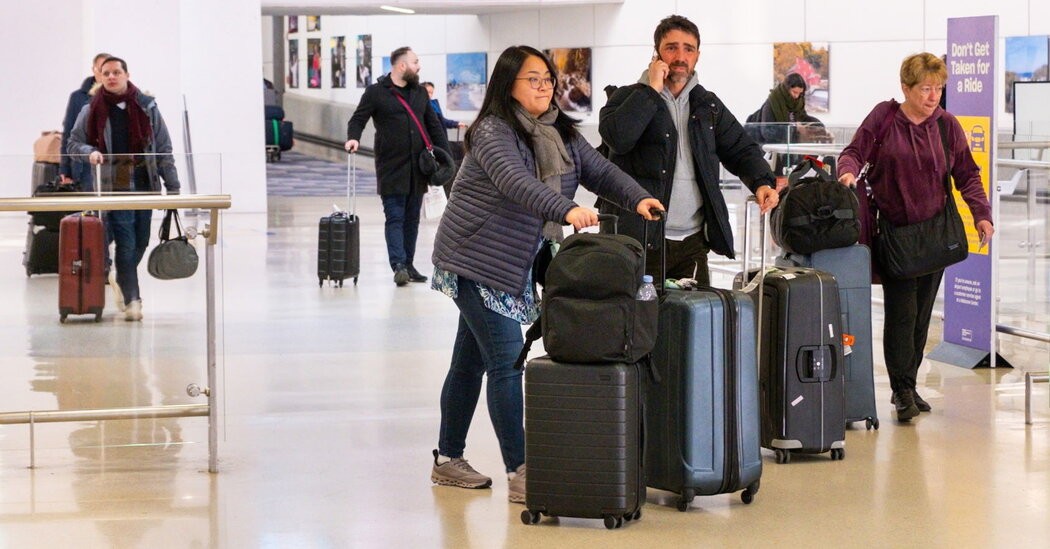
Північно-східні штати США справляються з наслідками сильного зимового шторму, який залишив тисячі мандрівників у скрутному становищі, а авіарейси масово затримуються або скасовуються. Станом на середу значні збої зберігаються: авіакомпанії намагаються усунути величезний завал, тоді як пасажири стикаються з невизначеністю щодо термінів прибуття до місця призначення.
Вплив шторму та скасування рейсів
Шторм, що обрушив до трьох футів снігу в деяких районах, призвів до скасування понад 5700 рейсів лише у понеділок, а ще понад 2100+ було скасовано у вівторок. Найбільше постраждали аеропорти у Нью-Йорку та Бостоні, де снігопад досяг 18 дюймів. Авіакомпанії, такі як United та Delta, намагаються пом’якшити хаос, додаючи додаткові рейси, але відновлення, як очікується, триватиме кілька днів.
Досвід Пасажирів: Момент Руйнування
Вплив на мандрівників був значним. Олівія Ру, французька туристка, яка подорожує з сім’єю, провела ніч у готелі біля міжнародного аеропорту Ньюарк-Ліберті, щоб дізнатися, що її рейс до Парижа затримується до середи зі збільшеною пересадкою в Бостоні.
“Ми провели тиждень у Нью-Йорку у відпустці. Все було так чудово. Але тепер ми так напружені і втомилися. Час додому”, – сказала пані Ру.
Її досвід відображає розчарування та невизначеність, з якими стикаються незліченні інші, що опинилися в результаті шторму. Мандрівники залишаються без негайного рішення, і багато хто стикається з несподіваними витратами на проживання та харчування.
Що Потрібно Знати Застряглим Мандрівникам
Якщо ви зараз подорожуєте або у вас є майбутні плани поїздок у постраждалих регіонах, ось що вам слід робити:
- Часто перевіряйте статус рейсу: Використовуйте програми авіакомпаній або веб-сайти відстеження рейсів, такі як FlightAware, щоб бути в курсі затримок або скасування.
- Зв’яжіться з авіакомпанією безпосередньо: Якщо ваш рейс скасовано, дізнайтесь про варіанти перебронювання або можливі повернення.
- Будьте готові до тривалих затримок: Запакуйте необхідні речі (ліки, закуски, зарядні пристрої для телефону), якщо ви застрягнете в аеропорту або готелі.
- Знайте свої права: Ознайомтеся з політикою авіакомпаній щодо проживання та харчування при затримках або скасуваннях рейсів. Багато авіакомпаній юридично зобов’язані надавати допомогу у певних ситуаціях.
Чому Це Важливо: Зростання Вартість Порушень, Викликаних Зміною Клімату
Ці масштабні збої в подорожах наголошують на зростаючій тенденції: екстремальні погодні явища все частіше порушують інфраструктуру та повсякденне життя. У міру посилення зміни клімату ці збої, ймовірно, відбуватимуться частіше та серйозніше, впливаючи не лише на подорожі, а й на ланцюжки поставок, служби екстреної допомоги та економіку. Вартість цих збоїв – у часі, грошах та стресі – швидко зростає.
Поточна ситуація наголошує на необхідності збільшення інвестицій у стійку інфраструктуру та проактивну готовність до стихійних лих, щоб мінімізувати вплив майбутніх екстремальних погодних явищ. Поки цього не станеться, мандрівникам необхідно залишатися пильними та непередбачуваними умовами.