Thousands of travelers are stranded worldwide due to massive flight cancellations stemming from the escalating conflict between the U.S., Israel, and Iran. The disruptions extend far beyond the immediate conflict zone, impacting passengers relying on major international transit hubs.
Impact on Global Travel Routes
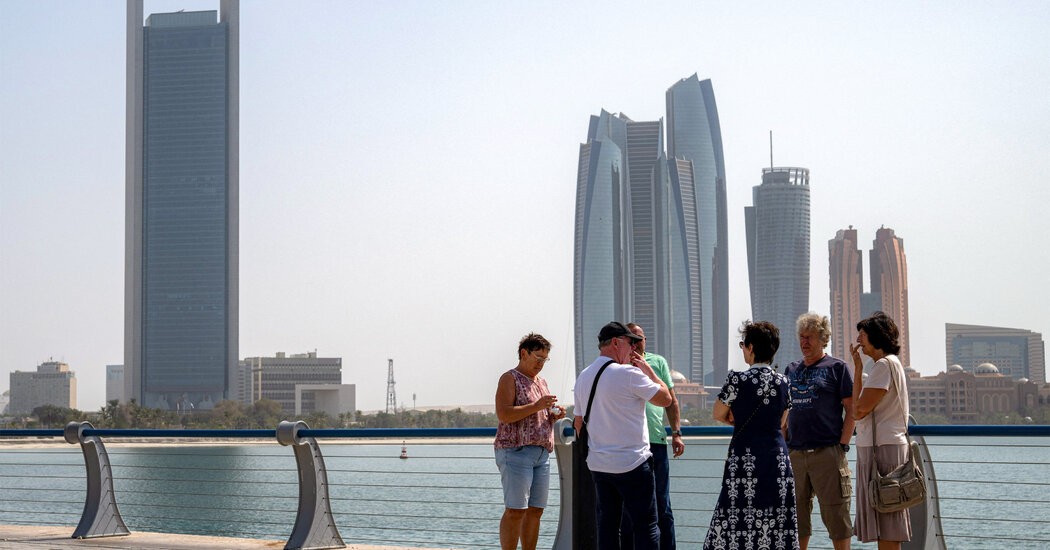
The crisis has created a cascading effect on travel routes. Passengers who depend on connections through airports in Israel, the United Arab Emirates (Dubai and Abu Dhabi), and Qatar (Doha) are facing indefinite delays. Even those attempting to reroute through alternative locations—such as India, Turkey, or Ethiopia—encounter either non-existent flights or dramatically inflated prices.
Dr. Eddine Saich, a French physician currently stranded in Kuala Lumpur with his family, exemplifies this predicament. After his connecting flight to Abu Dhabi was canceled, he spent hours researching alternatives, even considering a circuitous route through the United States. The scarcity of viable options and exorbitant costs have left many passengers in a state of uncertainty.
Why This Matters
The disruptions highlight the fragility of global travel networks in the face of geopolitical instability. Major airlines are diverting flights, airspace closures are expanding, and the sheer volume of stranded passengers is overwhelming support systems. This crisis underscores how quickly international conflicts can disrupt civilian life, even for those far removed from direct combat zones.
The situation is not merely an inconvenience; it represents a real-world consequence of heightened tensions. Passengers are trapped, airlines are scrambling, and the long-term economic impact of these disruptions remains to be seen.
The crisis also raises questions about the preparedness of airlines and international authorities to manage large-scale travel disruptions during geopolitical events. Passengers are left to navigate a chaotic landscape of cancellations, with little clarity on when normal service will resume.