


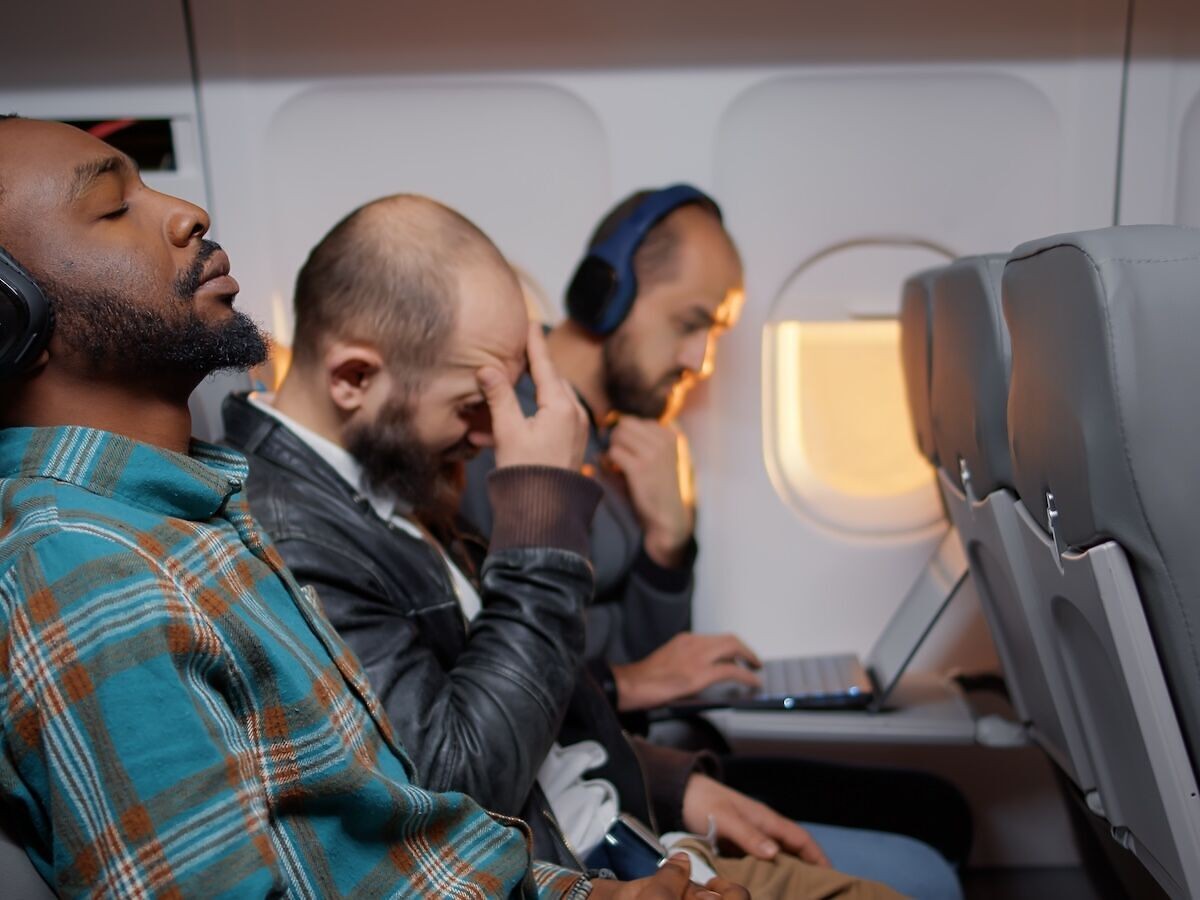
United Airlines has become the first major US carrier to explicitly prohibit passengers from playing audio without headphones, a move that addresses one of the most common complaints in air travel. This decision reflects growing pressure from flyers frustrated by disruptive in-flight behavior, and follows a broader trend of airlines adopting new technologies and stricter passenger rules.
The Rise of In-Flight Entertainment and Annoyances
The ban comes as United invests in upgraded entertainment options, including Starlink Wi-Fi and Bluetooth connectivity for headrest screens. These changes, while positive for many travelers, will likely increase demand for in-flight streaming, exacerbating the problem of loud, uncontained audio. The airline has also pushed passengers toward using their own devices for entertainment via the United App, which can create further issues if devices run out of battery or fail to connect.
A Long-Simmering Issue Reaches a Boiling Point
While other airlines have unofficially discouraged the practice – Delta asks passengers to use headphones “for the comfort of everyone,” and American has a “quiet cabin” policy – United is the first to codify it into its contract of carriage. The frustration with “speaker scum,” as some flyers derisively call those who play audio aloud, has been brewing for years. The term originated in a United Airlines subreddit, highlighting widespread annoyance with the behavior.
Data Confirms: Loud Audio Is a Major Irritant
Multiple surveys confirm the extent of the problem. A 2024 JBL poll found that listening to audio without headphones was the second -most hated airplane annoyance, behind only fully reclining seats. YouGov data ranked it as the third-most irritating behavior, following unrestrained children and disruptive passengers (drunk or moving during turbulence). 81% of passengers find it annoying, with some even joking that it should be illegal.
Enforcement and Future Policies Remain Unclear
United has yet to announce how this rule will be enforced, acknowledging the practical difficulties of removing passengers mid-flight. Other airlines have not yet indicated whether they will follow suit, despite overwhelming evidence that most passengers would welcome such a change.
This decision by United signals a shift toward prioritizing passenger comfort and enforcing basic in-flight etiquette. If other airlines follow suit, it could significantly improve the flying experience for millions.


