


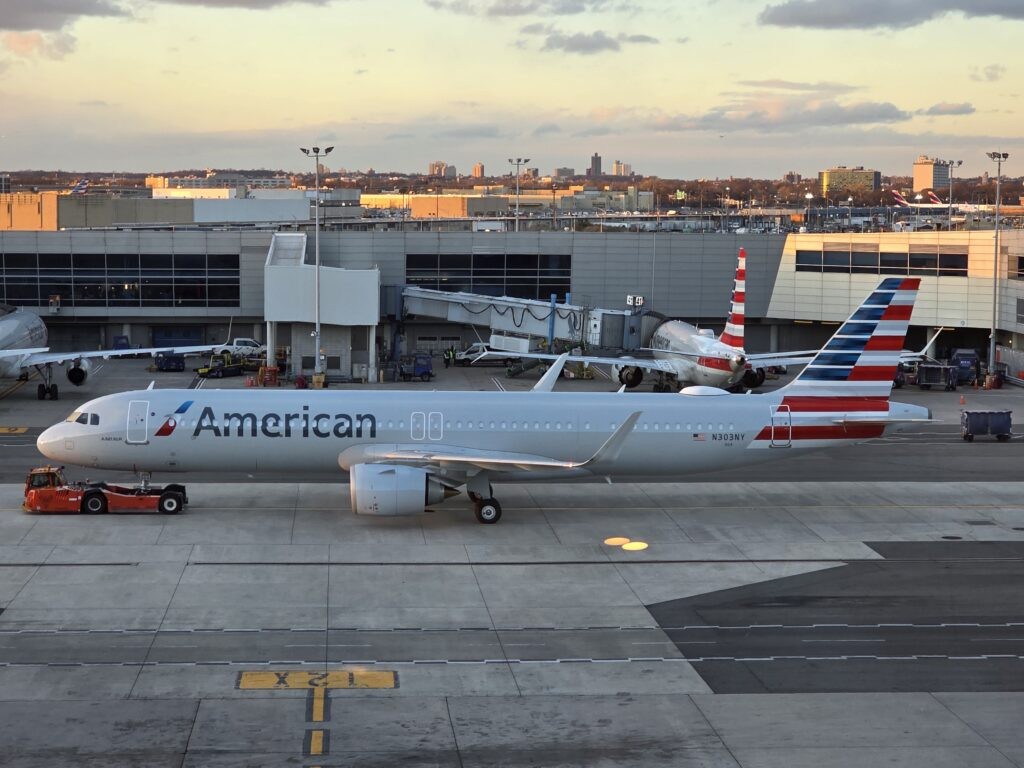
American Airlines is adjusting its transatlantic routes for the upcoming winter season, leveraging the smaller, long-range Airbus A321XLR to maintain service on routes where larger aircraft would be unprofitable. This shift reflects a broader industry trend: airlines are increasingly using more efficient, narrow-body planes on long-haul routes to optimize costs and fill seats during periods of low demand.
Why the Change?
Traditionally, airlines relied heavily on wide-body aircraft like the Boeing 787 for transatlantic flights. However, during the winter months, passenger numbers drop significantly, making it financially unsustainable to operate large planes on certain routes. The A321XLR offers a solution: it’s cheaper to operate, requires fewer passengers to break even, and is designed for a premium-heavy configuration. This means more business and premium economy seats, which generate higher revenue per passenger.
Route Adjustments
Several key routes will see changes:
- New York JFK – Barcelona: Will operate daily, with the A321XLR taking over in winter.
- Philadelphia – Amsterdam: Will receive A321XLR service from February 25 to March 27.
- Philadelphia – Edinburgh: The season will extend from October 25 to January 5 thanks to the A321XLR’s range.
- Philadelphia – Lisbon: Will switch to the A321XLR from January 5 to February 25.
Some routes are also being scaled back or cut entirely. Los Angeles – Auckland will not operate daily in peak December, and Miami – Paris will be suspended for the winter season.
A Predicted Trend Realized
These changes align with earlier predictions made by industry analysts, who anticipated that American Airlines would transition wide-body summer routes to the A321XLR. The airline has been strategically using the plane to convert seasonal routes into year-round services, a move that requires a higher revenue per passenger to compensate for the plane’s smaller size.
Challenges and Considerations
Despite the efficiency gains, the A321XLR has faced some operational challenges: limited galley space, insufficient lavatories, and initial certification issues with business-class suite doors. American Airlines has also reduced its original order from 50 to 40, suggesting that while the plane works, it’s not without its limitations. The key to success lies in filling the premium sections of the aircraft during slower winter periods.
The A321XLR is a strategic play for American Airlines, allowing them to maintain routes that would otherwise be cut. The real test will be whether they can consistently fill the higher-revenue seats to justify the plane’s operation.


