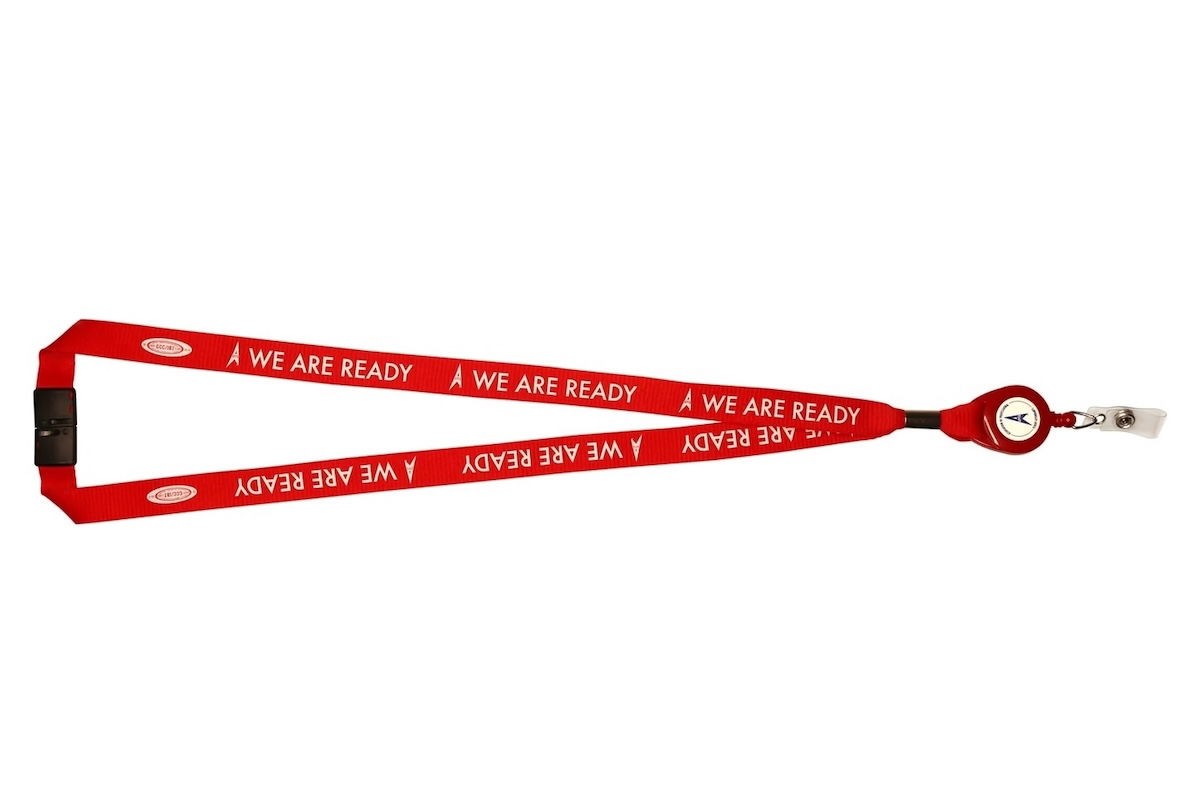
American Airlines flight attendants are escalating their protest against CEO Robert Isom and the airline’s leadership by visibly displaying union solidarity through the wearing of pins and lanyards. This move follows a recent vote of no confidence in Isom by the Association of Professional Flight Attendants (APFA), representing the carrier’s 28,000 flight attendants – a first for the union.
Union Pressure and Symbolic Action
The APFA is urging members to wear “WAR” pins, originally used during the 2024 contract negotiations, which symbolize a readiness to strike. While a strike is not currently planned, the act serves as a clear demonstration of discontent with the airline’s performance and leadership. The “WAR” acronym stands for “We Are Ready,” representing the union’s willingness to take action if necessary.
The union memo emphasizes that flight attendants will not accept further wage or work-rule concessions to compensate for leadership failures. This action highlights a growing frustration among employees, who feel past sacrifices have not yielded positive results. The visible display of unity is intended to hold leadership accountable and pressure for change.
Historical Context and Industry Trends
This situation mirrors past labor disputes in the airline industry, such as the widespread protest against former United CEO Glenn Tilton in the late 2000s, where employees and customers wore wristbands with slogans like “Glenn’s Gotta Go.” This demonstrates a history of employees using visible displays to pressure leadership. The current action reflects a broader trend of increased labor activism in response to corporate decisions.
Future Outlook and Leadership Challenges
Despite the union’s pressure, Isom’s position appears secure, at least for now. The CEO had previously promised improved results by 2026, framing 2025 as an exceptional negative outlier. However, external factors like the Middle East conflict and rising oil prices may further complicate the airline’s financial performance, providing additional excuses for lackluster results.
Ultimately, the effectiveness of this protest hinges on widespread participation and sustained pressure from the union. The symbolic act serves as a reminder of the growing tension between labor and management at American Airlines, with flight attendants demanding accountability and a change in leadership direction.