Millions worldwide face barriers to travel due to physical limitations. Approximately 1.3 billion people – 16% of the global population – experience significant disability, yet mainstream travel resources often overlook their needs. This article highlights four apps actively bridging that gap, providing real-world solutions for easier, more inclusive travel experiences.
The Need for Accessible Mapping
Sasha Blair-Goldensohn, a Google engineer paralyzed in 2009, recognized this firsthand. His personal experience led him to spearhead accessibility features within Google Maps. He explains the core issue: “There’s a huge swath of the population that isn’t visible… because out of sight, out of mind.” This invisibility highlights a systemic lack of consideration for disabled travelers, who often face unreliable or non-existent information about accessibility at destinations.
The push for inclusivity isn’t just about ethical responsibility; it’s a matter of unlocking a substantial market. Over 70 million adults in the United States alone live with disabilities, representing a significant, underserved demographic in the travel sector.
Google Maps: A Foundation for Accessible Navigation
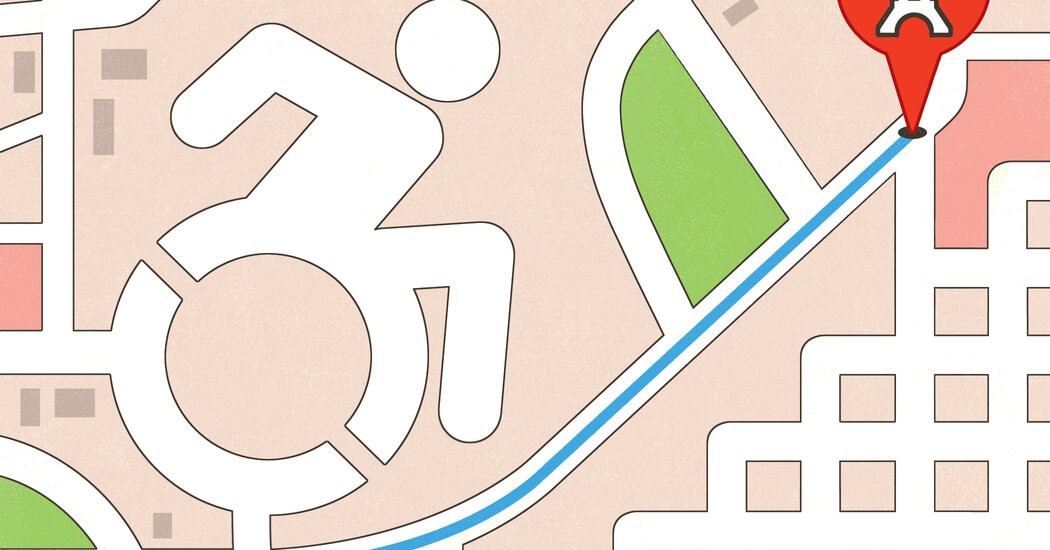
Google Maps now integrates key accessibility data, including stair-free entrances, audio guidance, and wheelchair-accessible transit routes. Blair-Goldensohn oversaw the introduction of these features, addressing a critical need for reliable navigation tools. However, Google Maps isn’t the only option.
Beyond Google: Specialized Apps for Enhanced Accessibility
Several apps go beyond basic mapping to provide granular accessibility details:
- AVIV ScoutRoute: This app uses user feedback and AI to assess sidewalk width, steepness, surface quality, curb ramps, and landmarks. It offers customized routes for people with mobility or vision impairments, addressing inconsistencies often missed by standard mapping services.
- RollMobility: Founded by Rachel Zoeller, a wheelchair user who experienced firsthand the frustration of inaccurate accessibility information, RollMobility crowdsources real-time reports on accessibility details like door widths, table spacing, and flooring types. This app fills gaps left by generalized mapping data.
Why This Matters
The rise of these specialized apps signals a growing awareness of the travel industry’s responsibility to serve all customers. Mainstream platforms like Google Maps have made strides, but these niche apps demonstrate that deeper, more personalized solutions are possible.
The development of tools like AVIV ScoutRoute and RollMobility shows that technology can address systemic barriers to accessible travel. By prioritizing inclusivity, these apps not only empower disabled travelers but also encourage businesses to improve their accessibility standards.
Ultimately, the future of travel depends on recognizing that accessibility isn’t a luxury – it’s a necessity.