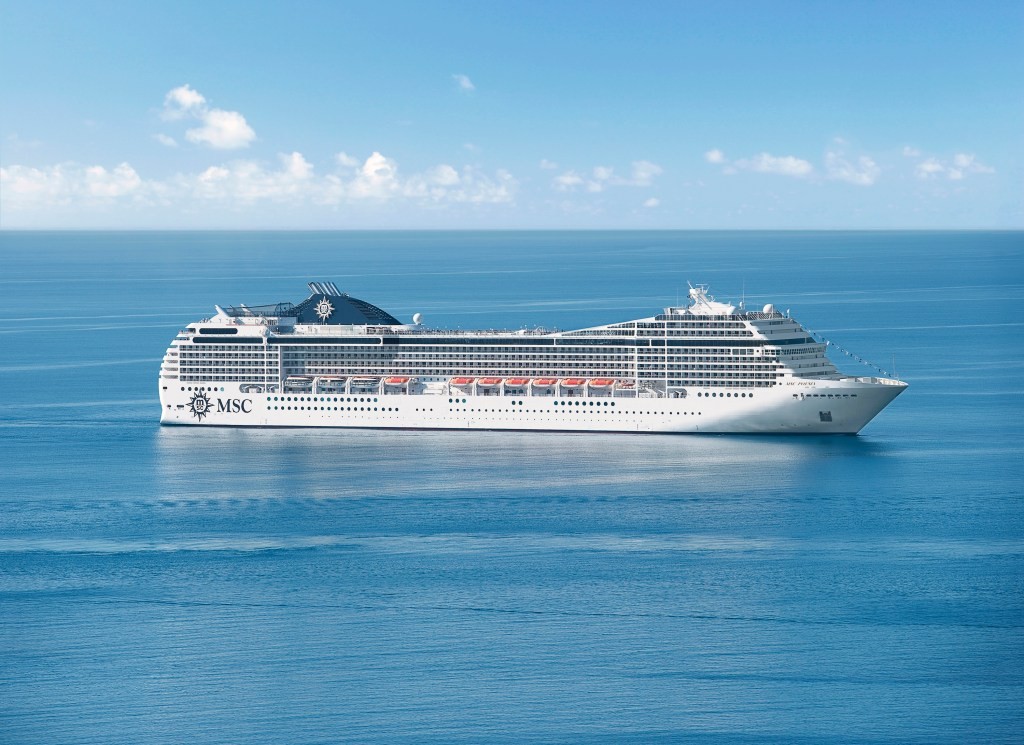
Cruises to Alaska are booming, with passenger numbers up 33% since before the pandemic—nearly 70% of those travelers coming from abroad. As demand for these voyages grows, cruise lines face increasing scrutiny over their impact on the region’s pristine marine ecosystems. The key issue? Balancing tourism with the protection of whales, whose migration and feeding patterns overlap with peak cruise seasons. MSC Cruises is taking a proactive approach, partnering with marine conservation organization ORCA to implement a science-led strategy that could set a new standard for responsible cruising.
Science-Backed Navigation: A New Approach
MSC’s initiative involves placing a dedicated Marine Mammal Observer (MMO) onboard the MSC Poesia during its inaugural Alaska season in 2026. This isn’t about reacting to regulation; it’s about leading the way. The goal is to gather real-time data on whale behavior in relation to vessel activity, refine crew training, and ultimately minimize disturbance to these marine mammals. ORCA has already trained nearly 700 MSC crew members in whale avoidance worldwide, and this partnership expands that effort.
The partnership is grounded in a simple but crucial fact: protecting even a small portion of the ocean can have an outsized impact on whale populations. A recent study suggests that safeguarding just 2.5% of the world’s oceans could protect nearly 90% of large whales.
Data Collection and Wider Implications
The MMO will meticulously track ship routes, whale sightings, proximity, and behaviors. This data will feed into wider conservation efforts, including the IUCN’s Important Marine Mammal Areas (IMMAs) program, which informs global marine protection policies. ORCA’s research has already influenced geofenced areas and speed restrictions in the Southern Ocean, and Alaska could be next.
This isn’t just about avoiding collisions; it’s about understanding how whales respond to vessel presence. The findings will inform ongoing training for deck crews, ensuring they make informed navigation decisions.
Engaging Passengers Through Education
MSC Cruises also intends to engage passengers directly. The MMO will host onboard educational sessions about whale behavior, marine biodiversity, and responsible cruise operations. Passengers will also be invited to participate in ORCA’s citizen science initiatives. The idea is to demonstrate that conservation and memorable travel experiences can coexist. The cruise line will also review local whale-watching tours to ensure best practices are followed.
A Model for the Future?
If successful, this model could be replicated in other wildlife-rich destinations. Steve Jones, ORCA’s COO, notes a growing appetite among cruise lines to deepen these kinds of collaborations. In the next decade, we can expect more brands to prioritize responsible tourism as a core part of their operations. MSC Cruises sees Alaska as a “living laboratory,” and the lessons learned here will likely shape best practices worldwide.
The company’s expansion into the North American market makes Alaska a particularly strategic test case. By integrating marine science into daily decision-making, MSC aims to prove that environmental responsibility and commercial success aren’t mutually exclusive. This initiative demonstrates a proactive shift towards sustainability within the cruise industry, potentially foreshadowing a new era of responsible marine tourism.