


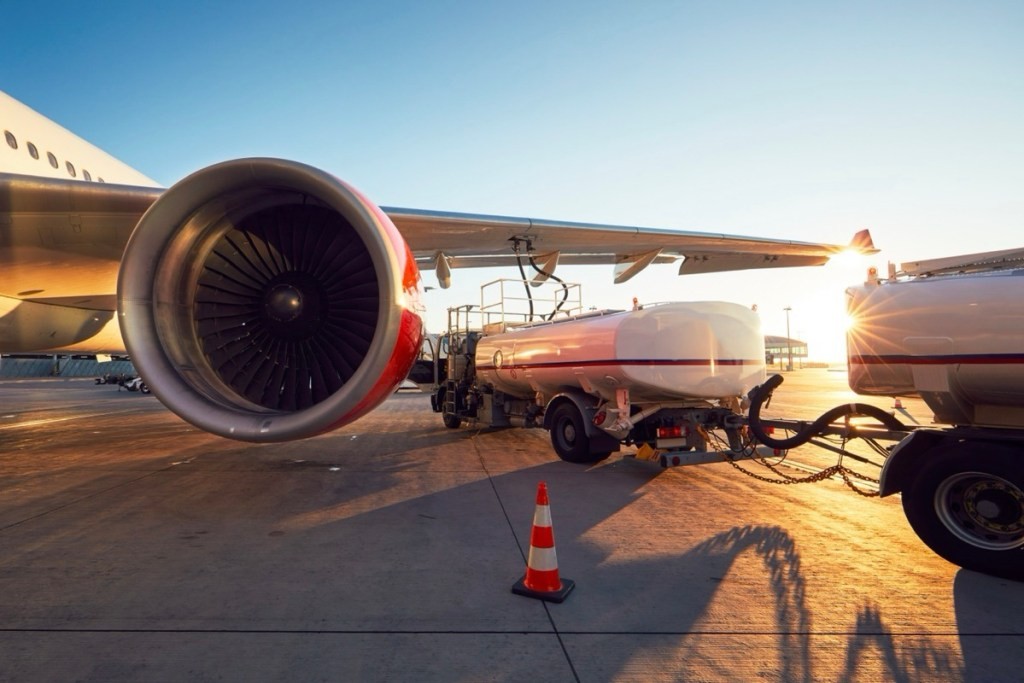
Oil prices briefly exceeded $100 a barrel this week, a significant jump of 35% from last month, raising immediate concerns for the airline industry and global travel. The spike, though currently settling around $85, underscores the volatile geopolitical landscape and its direct financial consequences. This isn’t just an economic issue; it’s a potential breaking point for an industry already grappling with fluctuating demand and margin pressures.
Geopolitical Risks and Fuel Costs
The primary driver is escalating geopolitical tension, specifically in regions vital for oil production. While the immediate price has eased, the underlying instability suggests further volatility. Airlines, which consumed roughly 18 billion gallons of jet fuel in the U.S. alone last year, are facing potentially staggering cost increases. Estimates suggest an additional $24 billion in fuel expenses if prices remain high, exceeding the entire U.S. airline industry’s 2023 profits.
This situation isn’t abstract: airlines have three primary responses. They can reduce flights (decreasing capacity), absorb the costs (reducing profits or risking bankruptcy), or pass the expense onto passengers through higher fares. The latter is almost inevitable, as airlines cannot sustainably operate at a loss. The only alternative would be a rapid and unlikely drop in crude oil prices.
The Impact on Consumers
The effects will ripple through the travel market. Budget carriers, already operating on thin margins, are the most vulnerable. If consolidation accelerates, remaining airlines could exert even greater control over routes and pricing. Passengers will likely see increased fares, especially on routes with limited competition. This could also force travelers to reconsider discretionary trips or opt for less frequent travel, impacting tourism-dependent economies.
Gen Z’s Disruptive Influence
The discussion shifted to a less direct, but equally significant trend: how Gen Z travelers are reshaping industry assumptions. The podcast suggests that younger demographics are not behaving like millennials did in travel habits, forcing a re-evaluation of long-held industry models. This means airlines may need to reconsider pricing, loyalty programs, and service offerings to cater to a generation with different priorities.
Government Shutdown Complications
The timing coincides with ongoing U.S. government instability. The partial shutdown created chaos at airports, with TSA and Global Entry services disrupted. While pre-check eventually resumed, the incident highlighted how easily political dysfunction can cripple travel infrastructure. This reinforces a simple but brutal reality: airlines and travelers are at the mercy of external forces beyond their control.
Ultimately, the surge in oil prices is a stark reminder that travel is heavily dependent on geopolitical stability and global energy markets. Higher fuel costs will translate to higher fares, potentially reshaping the industry and altering consumer behavior.


