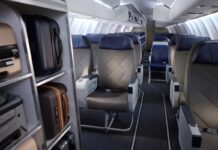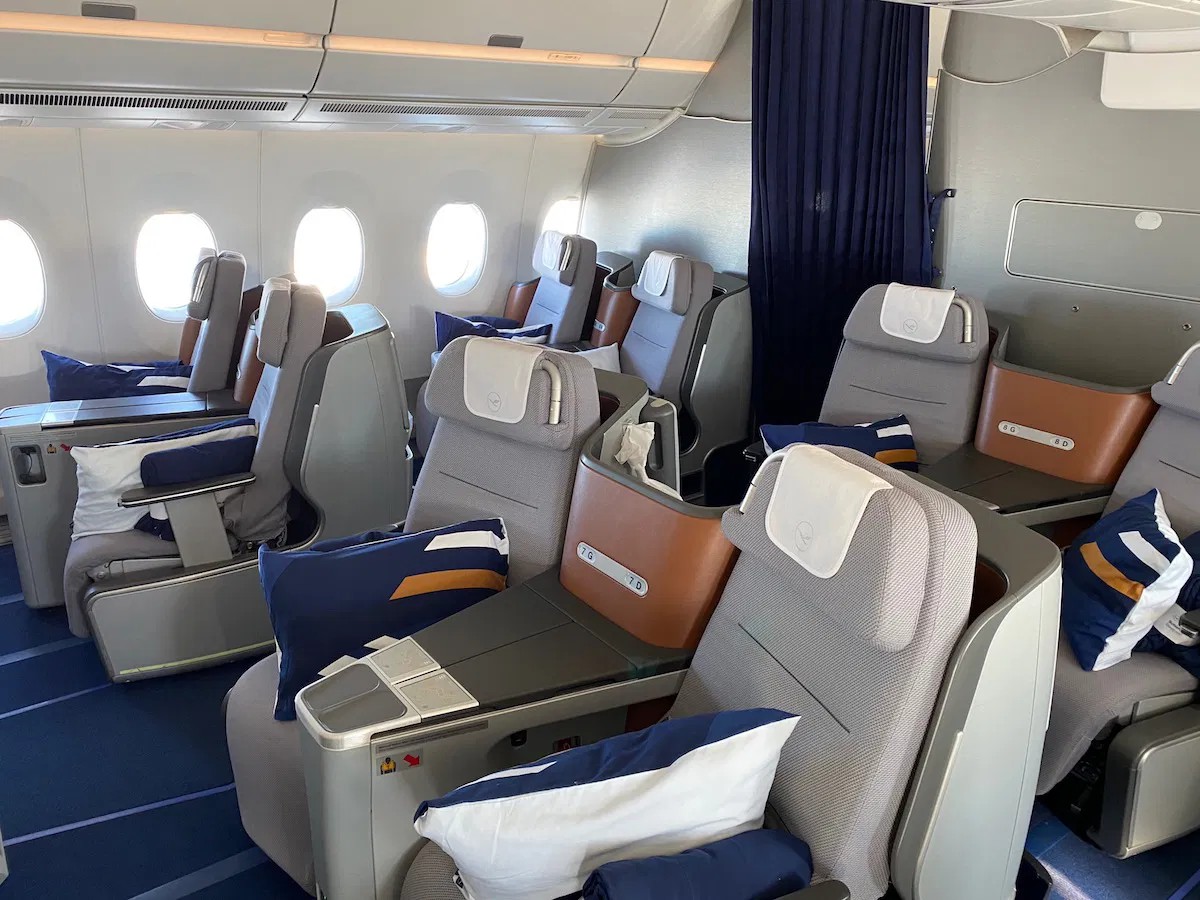
Lufthansa Group—including Lufthansa, SWISS, Austrian, and Brussels Airlines—will soon roll out stripped-down “light” fare options for business and premium economy cabins. The move, expected to be announced on March 17, 2026, mirrors a broader trend in the airline industry towards unbundling services and maximizing revenue.
What’s Changing?
The new basic fares will significantly reduce included benefits. Passengers opting for these fares will receive only one checked bag (down from two), and will be charged a minimum of €80–€120 for seat reservations. Change fees will also be higher than on standard fares.
The most controversial aspect is the removal of complimentary seat assignments, even for top-tier elite members. Star Alliance Gold members will retain their extra baggage allowance, but even Lufthansa’s highest-status HON Circle members will now have to pay to select seats.
Initial Rollout & Geographic Limits
These restricted fares will initially be available only on routes to and from Asia, Africa, the Middle East, Central America, and South America. Flights to North America, China, Japan, Malaysia, and Singapore are excluded for now. This phased implementation suggests Lufthansa is coordinating with joint venture partners—particularly Air Canada and United—to ensure consistent pricing across networks.
This cautious rollout is likely due to the complexity of joint venture agreements, where airlines often coordinate fares to avoid undercutting each other. Waiting for alignment ensures maximum profitability across all participating carriers.
Why This Matters
This shift reflects a broader industry trend toward à la carte pricing. Airlines are increasingly separating base fares from optional extras, forcing passengers to pay for services previously included.
The move targets business travelers and frequent flyers, who are less price-sensitive and more likely to pay for convenience. By making basic fares less attractive, Lufthansa aims to push more customers toward higher-priced, fully-featured options.
What’s Next?
Delta Air Lines has already announced similar plans, and American and United are expected to follow suit. The pressure to maximize revenue in a competitive market is driving this trend.
Lufthansa’s strategy is clear: extract more revenue from every seat by incentivizing passengers to upgrade or pay extra for basic amenities. The airline is betting that even elite members will grudgingly pay rather than risk being stuck in an undesirable seat.
The long-term effect will be higher fares for all passengers, as airlines test the limits of how much they can charge without losing significant market share.