


Airline leasing agreements – whether for aircraft, crew, maintenance, or insurance – are becoming more common. Understanding the differences between “wet,” “dry,” and “damp” leases is essential for both industry insiders and travelers who might find themselves on a flight operated by an unexpected airline.
What Are Wet Leases?
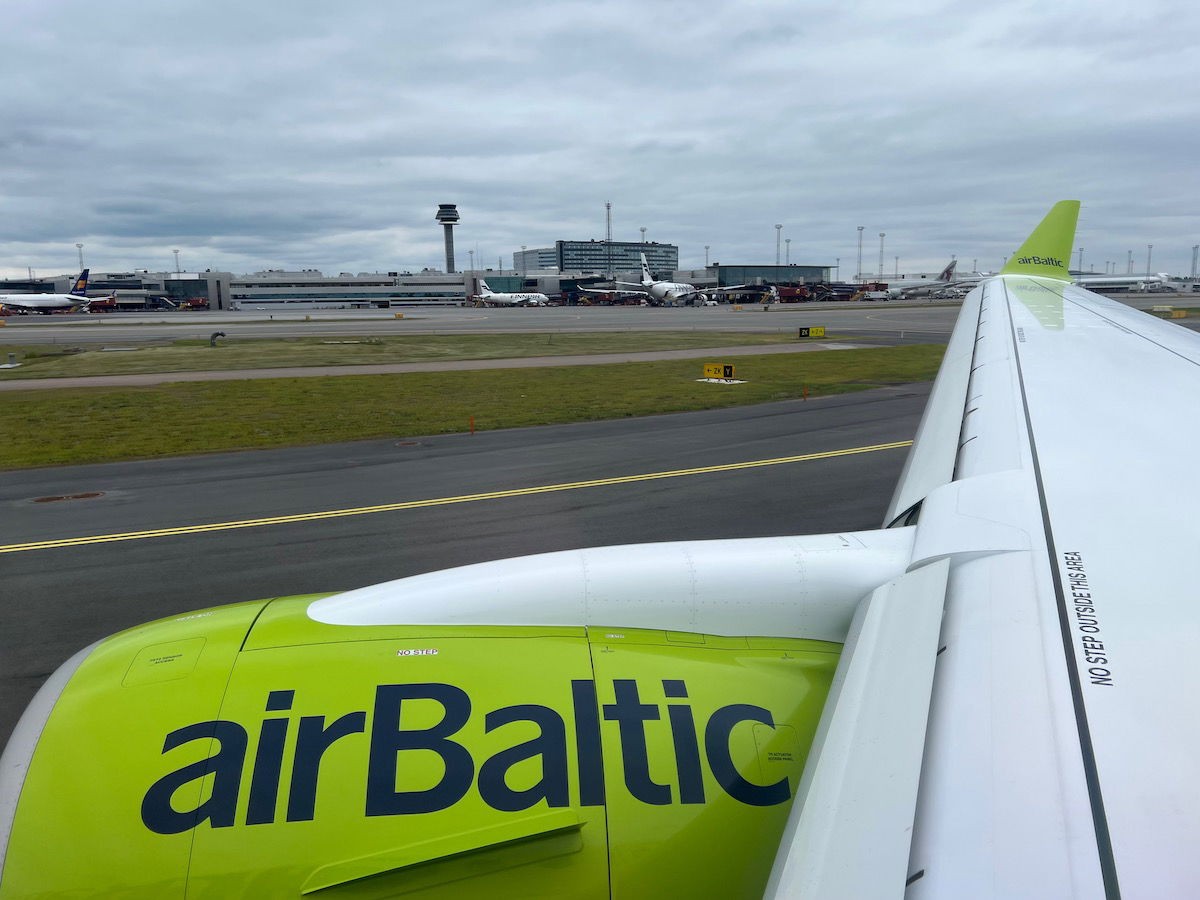
A wet lease is a full-service arrangement. One airline provides another with an aircraft including crew, maintenance, and insurance (ACMI). This is often a short-term solution, lasting from a single day to an entire year. Airlines like Hi Fly in Portugal specialize in wet leases, providing operational capacity to carriers that need it without long-term commitments. Others, like airBaltic, lease out their own aircraft when demand fluctuates.
The key is flexibility: airlines can quickly adjust capacity without capital expenditure. For example, when airlines are forced to alter their business models due to market shifts – like the closure of Russian airspace – they may seek to lease out planes instead of letting them sit idle.
Dry and Damp Leases: The Lesser-Known Options
Beyond wet leases, there are dry leases and damp leases. A dry lease only involves the aircraft itself, with no crew or maintenance included. A damp lease fills the gap, providing the plane and pilots, but not necessarily full maintenance support.
It’s crucial to distinguish these arrangements from situations where airlines simply re-lease aircraft from leasing companies. Just because an aircraft retains its original interior (like some former Cathay Pacific 777s operated by Qatar Airways) doesn’t mean it’s a wet lease between airlines ; the planes have already been transferred through leasing firms.
Why Airlines Use Leasing Agreements
The benefits of leasing are clear for both parties:
- For Leasing Airlines: Wet leasing is a reliable revenue stream. Airlines based in countries with lower labor costs can generate significant profits by offering aircraft and crew to others.
- For Receiving Airlines: Leasing provides a way to increase capacity without massive investments. Airlines in seasonal markets can avoid year-round aircraft ownership costs. Those in high-labor countries can benefit from lower operating expenses.
Temporary disruptions, like grounded fleets or increased maintenance demands, can also be addressed quickly through wet leases.
What Does This Mean for Passengers?
Passengers may not always realize when they’re flying on a wet lease arrangement – it’s especially common in Europe, Africa, and parts of Asia. The experience can vary.
- Service Quality: Flight attendants from the leasing airline may not have the same training or commitment as those from the marketing carrier, potentially impacting service levels.
- Amenities: Entertainment and Wi-Fi availability might differ from what passengers expect, as updates aren’t always standardized.
- Overall Experience: While some passengers might enjoy a unique experience (like flying in an Emirates A340 cabin on a smaller airline), wet leases are often a slight downgrade compared to standard flights.
Airline leasing isn’t just about business; it’s about airlines adapting to market pressures, optimizing costs, and ensuring operational flexibility. Passengers should be aware that these arrangements are increasingly common, and service standards may vary accordingly.


