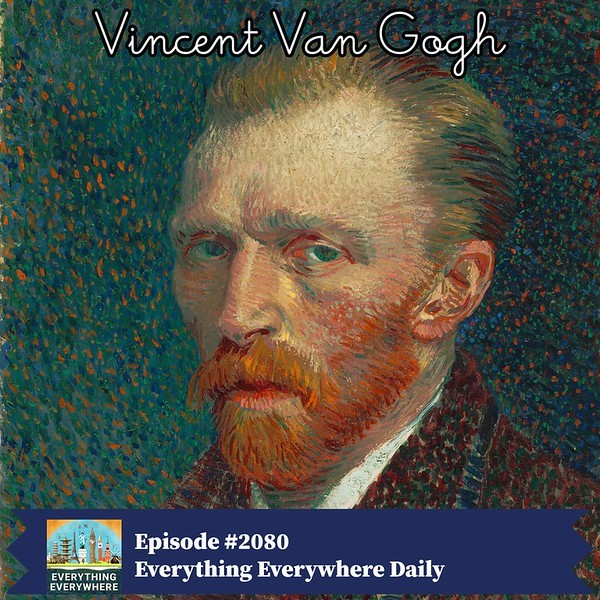
Vincent van Gogh’s name is synonymous with artistic genius, yet for much of his short life, he was a struggling, unrecognized painter haunted by poverty and mental illness. Today, his works command record prices and hang in the world’s most prestigious museums. This is the story of how a little-known artist became one of history’s most influential figures – a transformation that only fully occurred after his death.
The Early Years: A Family of Dealers, a Soul in Turmoil
Born in 1853 in the Netherlands, van Gogh came from a family with deep roots in the art world. His grandfather and several uncles were art dealers, but young Vincent struggled to find his place. Initially drawn to religion, he attempted to become a pastor, but his growing mental instability led to rejection and ridicule from the church. This rejection, along with failed romantic pursuits, marked a turning point; van Gogh abandoned his religious aspirations and turned to painting.
It’s crucial to understand that van Gogh’s early life was not defined by artistic passion, but by a series of failures and rejections. His father, fearing his son’s deteriorating mental state, even considered institutionalizing him. This early trauma likely contributed to the extreme emotional intensity that would later characterize his work.
The Rise of Style, the Descent into Madness
Van Gogh’s artistic journey began with formal training at the Académie Royale des Beaux-Arts in Brussels and later through exposure to Impressionism in Paris. However, he quickly rejected conventional techniques, developing his own signature style marked by bold colors, swirling brushstrokes, and deeply emotional subjects.
This period coincided with a rapid decline in his mental health. Rejection from women, including the brutal dismissal by his widowed cousin, drove him further into despair. He even reportedly self-harmed in desperate attempts to win her affection. His brother Theo, an art dealer, provided financial and emotional support, but the instability persisted.
Arles, the Yellow House, and the Lost Ear
In 1888, van Gogh moved to Arles, France, seeking a creative haven. This period saw an explosion of productivity – he completed over 200 paintings in just a year. The “Yellow House” became his studio and gallery, intended as a communal space for artists.
However, his volatile relationship with Paul Gauguin culminated in a violent argument and the infamous incident where van Gogh severed part of his ear. The exact circumstances remain debated, but the event underscores the severity of his mental breakdown. He later admitted to having no memory of the act. This incident, more than any other, cemented his image as the tormented genius in popular culture.
Asylum and Final Years: A Legacy Forged in Suffering
Van Gogh voluntarily committed himself to the Saint-Paul-de-Mausole asylum in 1889, where he continued to paint prolifically, producing masterpieces like The Starry Night. Despite moments of lucidity, he battled delusions and hallucinations.
His work slowly gained recognition, but his financial struggles persisted. In 1890, he left the asylum and continued painting, producing works like Wheatfield with Crows, often interpreted as a premonition of his own demise.
On July 27, 1890, at the age of 37, van Gogh died from a self-inflicted gunshot wound. He had sold only a handful of paintings in his lifetime.
The Posthumous Triumph: From Obscurity to Icon
Van Gogh’s posthumous fame is largely due to the efforts of his sister-in-law, Johanna van Gogh-Bonger, Theo’s widow. She meticulously organized exhibitions, published his letters, and promoted his work relentlessly, crafting the narrative of the misunderstood genius.
The early 20th century saw a shift in artistic tastes, with movements like Expressionism embracing van Gogh’s bold style and emotional intensity. As the art market exploded, his paintings became some of the most valuable in the world, with Portrait of Dr. Gachet selling for a record $82.5 million in 1990.
Today, Vincent van Gogh stands as a symbol of artistic struggle and triumph. His story is a stark reminder that recognition often comes only after death, and that genius can flourish even in the darkest depths of mental illness.