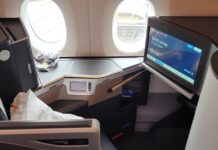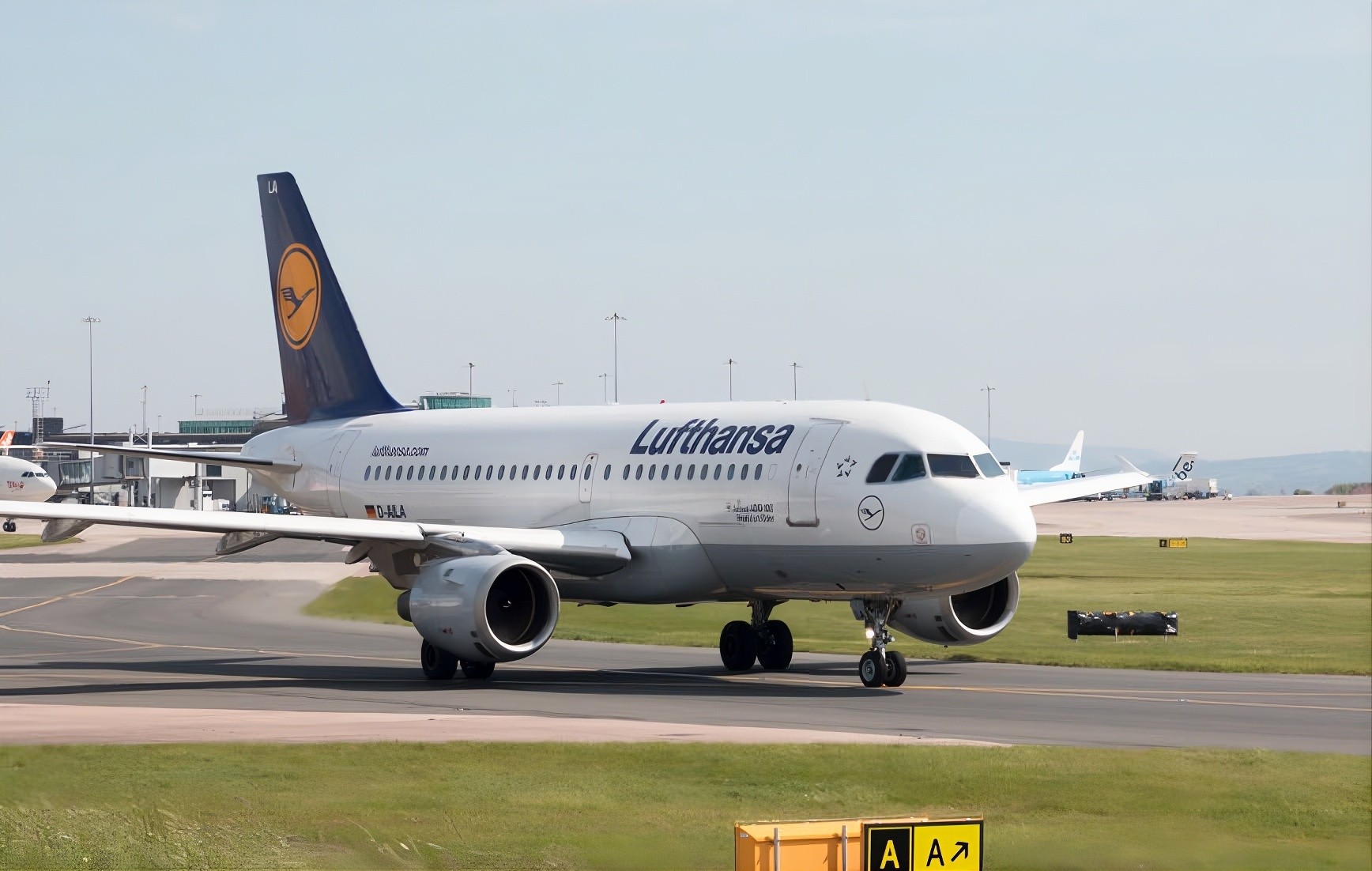
Lufthansa is conducting a trial on 20 short-haul routes that sharply differentiates cabin cleaning standards between business and economy classes. While premium passengers will continue to board fully cleaned aircraft, economy cabins will receive reduced cleaning services, potentially including unemptied trash pockets and lavatories cleaned only “on request.” This isn’t about saving labor; it’s about shifting cleanliness standards based on fare class.
The Test: A Two-Tiered System
The airline is testing whether it can save time and money by minimizing cleaning in economy cabins, while maintaining standard hygiene for business-class passengers. Lavatories will only be cleaned when explicitly requested, and trash will be removed from seat pockets “only when necessary.” Lufthansa’s stated goal is to improve turnaround efficiency, but the experiment raises questions about passenger comfort and hygiene standards.
Why This Matters
This approach is unusual because even short-turn flights (under 60 minutes) in the U.S. typically include lavatory cleaning, as recommended by the National Institutes of Health. The decision to separate cleaning by class is particularly striking, as the test doesn’t even reduce overall cleaning labor time; it simply allocates it unevenly.
The Backlash and Future Plans
Initial feedback led Lufthansa to reverse a plan to stop neatly arranging seat belts in economy class, suggesting some pushback from crew or passengers. If the trial is successful, the airline intends to roll out these reduced cleaning standards across its network permanently. Lufthansa is also evaluating whether using two cleaners for ten minutes is more efficient than four cleaners for five, even though the total labor time remains the same.
The airline’s reasoning centers around cost savings at outstations. However, this strategy may backfire if passengers perceive a significant drop in hygiene standards, especially given the increasing expectation of cleanliness in air travel. Lufthansa is betting that cost reduction outweighs potential reputational damage.
This trial highlights a growing trend of airlines cutting costs by reducing service quality, especially for budget-conscious travelers. The long-term impact on passenger satisfaction and brand loyalty remains to be seen.