
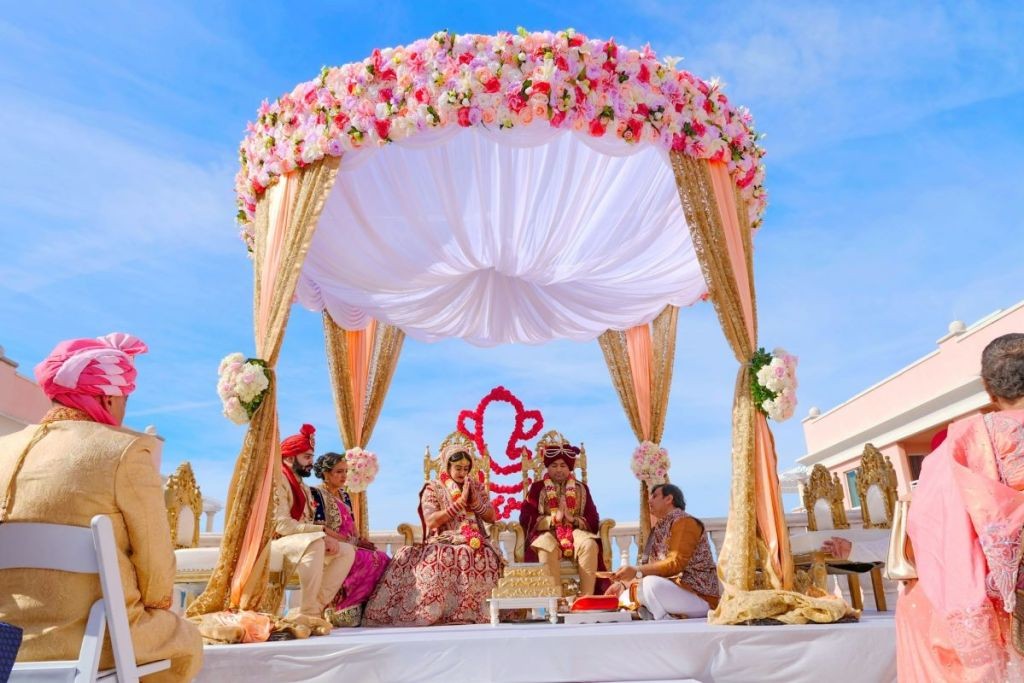
Recent escalations in the Middle East, notably the ongoing Iran-Israel conflict, are forcing a significant change in plans for Indian couples organizing destination weddings. Traditionally popular locations like Bahrain, Doha, Muscat, Abu Dhabi, Dubai, and Ras Al Khaimah are now facing cancellations as families prioritize safety and logistical stability.
Impact on Destination Wedding Market
According to Parthip Thyagarajan, CEO of WeddingSutra.com, the shift is already underway. Couples with weddings scheduled for this spring are actively rescheduling to venues within India. Those with bookings for the next quarter are in a “wait-and-see” mode, particularly if deposits have been paid or if family members are currently in the affected regions.
Why this matters: Indian destination weddings are a multi-billion dollar industry, often involving large guest lists (averaging 330 attendees per wedding in the 2024-25 financial year, according to WeddingWire). The Middle East was a preferred destination for its luxury venues, ease of travel, and competitive pricing. However, the current instability poses unacceptable risks for many families.
Logistical and Safety Concerns
The primary drivers behind the shift are escalating geopolitical tensions and growing logistical uncertainties. Air travel disruptions, increased insurance costs, and heightened security concerns are making Middle Eastern destinations less attractive.
Context: Destination weddings in India, while historically less glamorous than international options, are now benefiting from this trend. The industry is seeing increased demand for domestic luxury venues, particularly in cities like Udaipur, Jaipur, Goa, and Kerala.
Future Outlook
For the foreseeable future, Indian weddings that were planned in the Middle East are expected to stay in India. The long-term impact will depend on the resolution of the regional conflicts. However, the current crisis has demonstrated the fragility of destination wedding markets when faced with geopolitical instability.
The shift highlights a broader trend: when safety and reliability are at stake, families will prioritize domestic options, even if they were previously less appealing.