
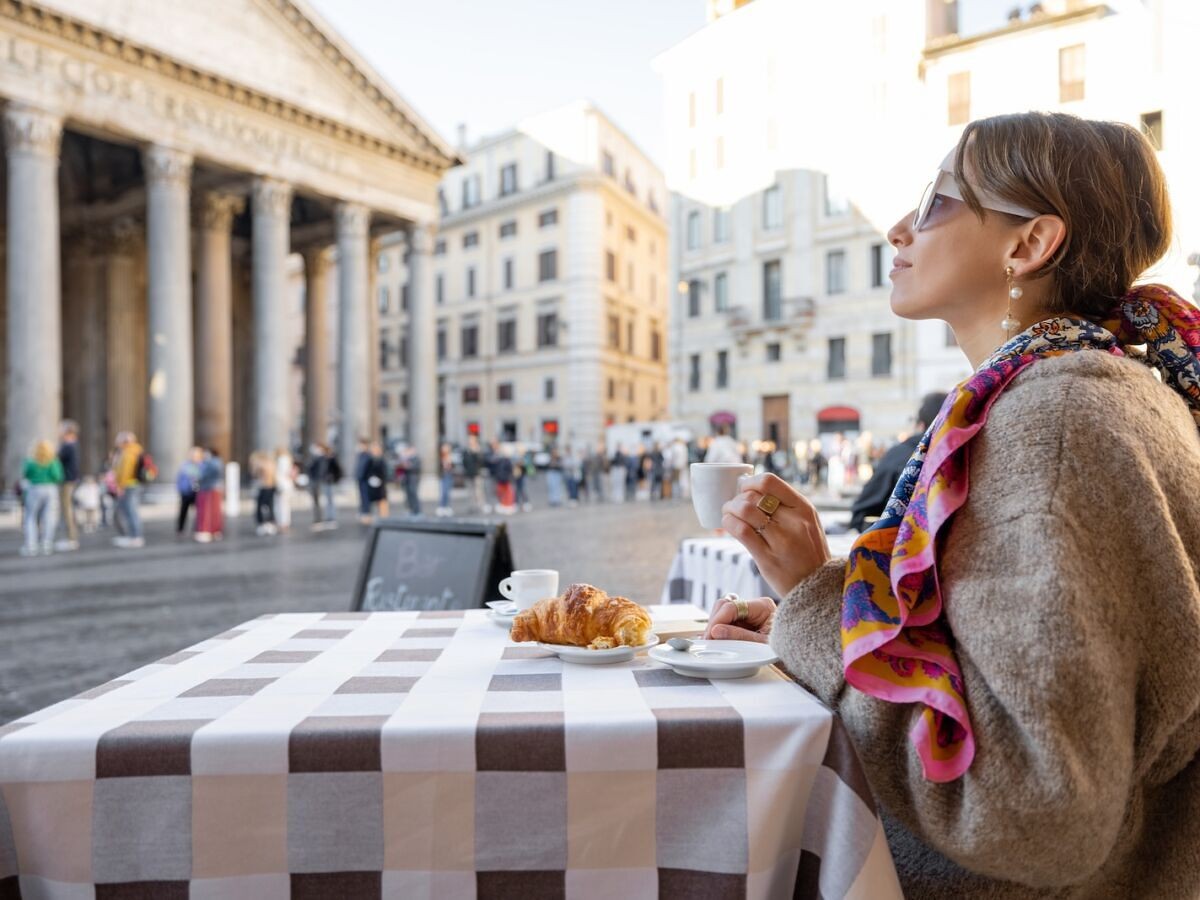
American travelers have strong opinions about Europe’s culinary destinations, but perceptions don’t always match reality. A recent survey reveals which cities live up to the hype, which fall short, and which remain largely unknown.
Paris: The Overhyped Classic?
Paris tops the list as Europe’s most overrated food city, with 37% of respondents finding it either “somewhat” or “very” overrated. Despite its iconic culinary traditions, from Michelin-starred restaurants to historic bistros, the reality for many tourists is inflated prices, tourist-trap eateries, and a disconnect from the leisurely dining experience they anticipate.
The problem isn’t the quality of food—it’s the access to authentic experiences. The city has evolved, with vibrant contemporary dining in neighborhoods like the 11th arrondissement, but many Americans still cling to outdated images of candlelit bistros serving only classic French dishes.
Amsterdam: A Culinary Identity Crisis?
Amsterdam doesn’t have the same strong culinary reputation as Paris or Rome, and about 20% of travelers consider it overrated. The city excels in international cuisine, but lacks a uniquely Dutch food identity that visitors actively seek out. Recent growth in high-end dining and coffee culture is promising, but Amsterdam still struggles to deliver a clear “must-try” food experience.
Barcelona: Expectations Met
Barcelona stands out as an exception: it’s one of the most popular food destinations without disappointing visitors. Nearly half of respondents say the food scene is “rated about right,” while only 13.2% find it overrated.
This accessibility is key. The city’s abundance of tapas bars, local markets, and street food vendors makes authentic experiences easy to find. Avoiding tourist traps like La Rambla and exploring local dining zones like Rambla del Poblenou improves the experience further.
Rome: The Undisputed Champion
Rome wins the superlative: it’s both the most desired food destination and the least likely to be considered overrated. Over 55% of respondents say it lives up to expectations, likely due to its well-defined cuisine and wide availability of iconic dishes like cacio e pepe and carbonara.
Unlike Paris, Roman cuisine is consistent across price points, ensuring visitors can find what they crave without disappointment.
Lisbon and Prague: The Unknowns
Lisbon and Prague stand out for a different reason: uncertainty. Over 18% and 17% of respondents, respectively, admitted they were “not sure” how to rate their food scenes. This lack of expectation could be an advantage, as travelers may approach these cities with open minds rather than rigid preconceptions. Both cities also have low percentages of people who find them highly overrated, meaning they may be in the best position to win over new visitors.
Ultimately, the survey shows that food tourism is about more than just taste—it’s about meeting expectations. Cities that deliver on their culinary promises, like Rome and Barcelona, thrive, while those that rely on outdated reputations or tourist traps risk disappointing travelers.