


The magic of Disney animations often obscures the grim origins of the stories they’re based on. While films like Snow White, The Little Mermaid, and Sleeping Beauty appear whimsical, their roots are far darker than many realize. This isn’t a case of Disney intentionally misleading audiences — but a necessary adaptation for modern consumption. Most original fairytales were never intended for children, serving instead as cautionary tales or reflections of brutal realities.
The Brutality of “Cinderella”
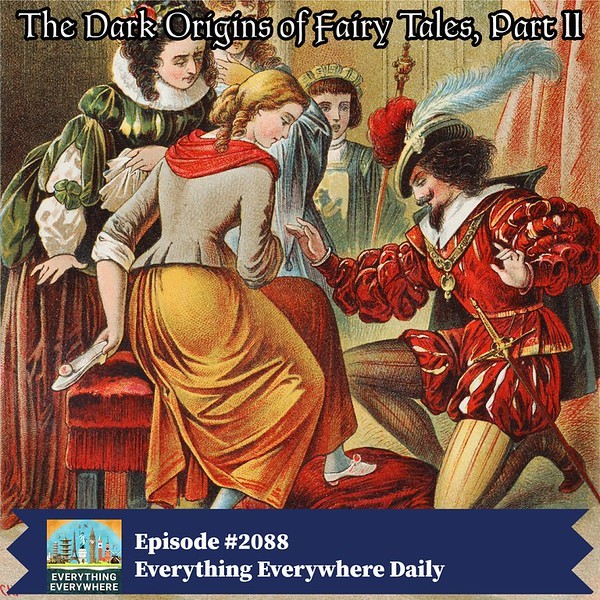
The story of Cinderella appears innocent enough, yet its earliest iterations are shockingly harsh. The tale dates back to first-century Greece, with the story of Rhodopis, a slave girl who marries the King of Egypt. While the core narrative of triumph over adversity remains consistent, the original context is far removed from Disney’s sanitized version.
Charles Perrault’s 1697 retelling, which heavily influenced Disney’s 1950 film, introduced elements like the fairy godmother and glass slippers. Yet, even Perrault’s story included a darker ending. The stepsisters aren’t merely forgiven; they’re arranged to marry noblemen, ensuring the entire family thrives.
The Brothers Grimm’s Aschenputtel is even more brutal. Cinderella’s mother dies, urging her daughter to remain kind. Her stepfamily is cruel, mutilating their own toes and heels to fit into the glass slipper. The climax involves doves gouging out the stepsisters’ eyes during Cinderella’s wedding. The original tale is a stark reminder that suffering and vengeance were common themes in early folklore.
The Disturbing Reality of “Pinocchio”
Disney’s Pinocchio (1940) presents a whimsical adventure, but Carlo Collodi’s original Italian story, The Adventures of Pinocchio, is far more disturbing. Geppetto carves the puppet from a shrieking block of wood, and Pinocchio springs to life as a mischievous child. The Disney version softens this by introducing a benevolent fairy, but Collodi’s tale is relentless.
Pinocchio dismisses wise counsel, falls for tricks, and is ultimately hanged from a tree, slowly suffocating as his wooden body resists. The fairy revives him only after a harrowing ordeal, and the story continues with even darker twists. The original Pinocchio is a harsh lesson in obedience, hard work, and the consequences of selfishness.
The Dark Side of “Peter Pan”
Peter Pan (1953) is beloved for its adventure and escapism, but J.M. Barrie’s original play (1904) hides a sinister undercurrent. The Lost Boys aren’t simply abandoned children; they fall from their mothers’ strollers, and Peter Pan actively kills them when they grow too old.
Peter’s refusal to grow up isn’t just about eternal youth; it’s about maintaining his power by eliminating those who threaten his reign. The original story is a chilling reminder of the lengths to which some will go to preserve their own immortality, even if it means murder.
The Disney adaptations soften these harsh realities, making the tales palatable for a modern audience. However, the original versions serve as a stark reminder that fairytales weren’t always meant to comfort — they were often designed to warn, to frighten, and to reflect a brutal world.


