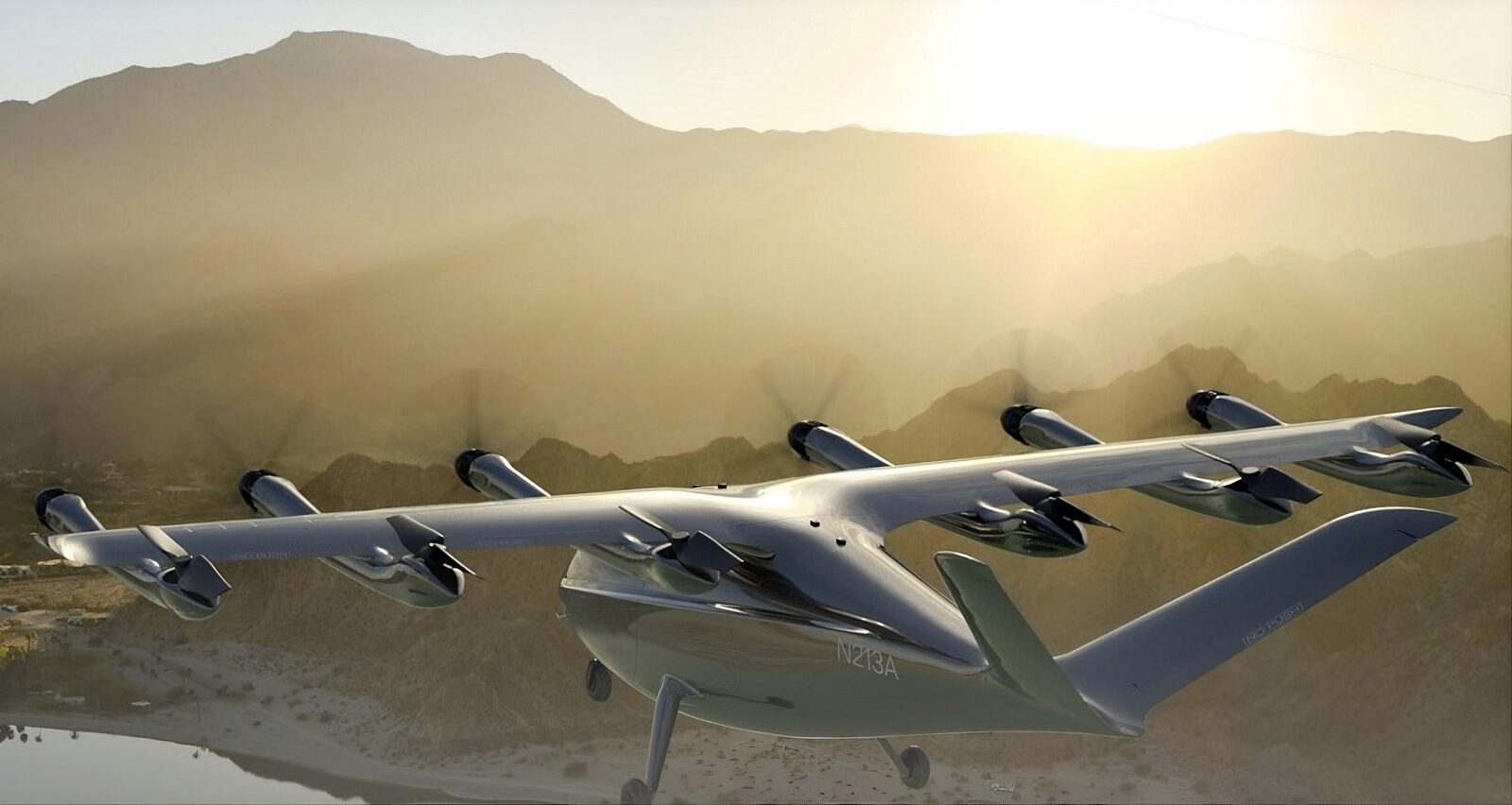
United Airlines CEO Scott Kirby has publicly questioned the viability of deploying electric vertical takeoff and landing (eVTOL) aircraft near major airports, reversing a 2021 commitment of over $1 billion to Archer Aviation. Kirby cited crowded airspace and safety concerns, referencing a recent helicopter collision in Washington D.C. as a cautionary example. While acknowledging eVTOLs could be useful in other contexts, such as existing helicopter routes, he expressed doubts about their safe integration into congested airspaces without operational disruptions.
The Shift in Strategy
This reversal marks a significant change from United’s earlier enthusiasm for air taxis, driven in part by the political climate of 2021 when supporting “green” initiatives was strategically advantageous. Kirby now frames the issue as purely logistical, but the timing suggests broader factors are at play. Air traffic data shows that New York airspace, a key target for eVTOL deployment, is not significantly more congested now than in 2019—a point United acknowledged when initially placing the order.
The FAA Certification Hurdle
The FAA’s slow and rigorous certification process for eVTOLs further complicates the timeline. Archer Aviation and Joby Aviation, while holding over $2 billion in cash each, face regulatory hurdles that could delay commercial operations. Meanwhile, Vertical Aerospace struggles with financial stability, potentially making it a target for acquisition by Archer. Despite these challenges, Joby Aviation recently completed FAA-conforming test flights, signaling progress toward real-world deployment.
Beyond Air Taxis: The Rise of Electric Fixed-Wing Aircraft
Kirby’s comments cast doubt on the practicality of eVTOLs for feeding major hubs. However, electric fixed-wing aircraft—which use existing airport infrastructure and are closer to Part 23 certification—may offer a more viable alternative. These aircraft excel in cargo, medical transport, and regional routes, bypassing the need for costly vertiports.
A Pattern of Ambition
United’s air taxi order follows a pattern of ambitious but ultimately unrealized commitments, including previous investments in supersonic aircraft. This raises questions about whether these orders serve more as public relations gestures than genuine business strategies.
Ultimately, while eVTOL technology shows promise, its near-term viability for high-density urban air travel remains uncertain. The industry faces regulatory, logistical, and financial challenges that may force a shift toward more pragmatic solutions.