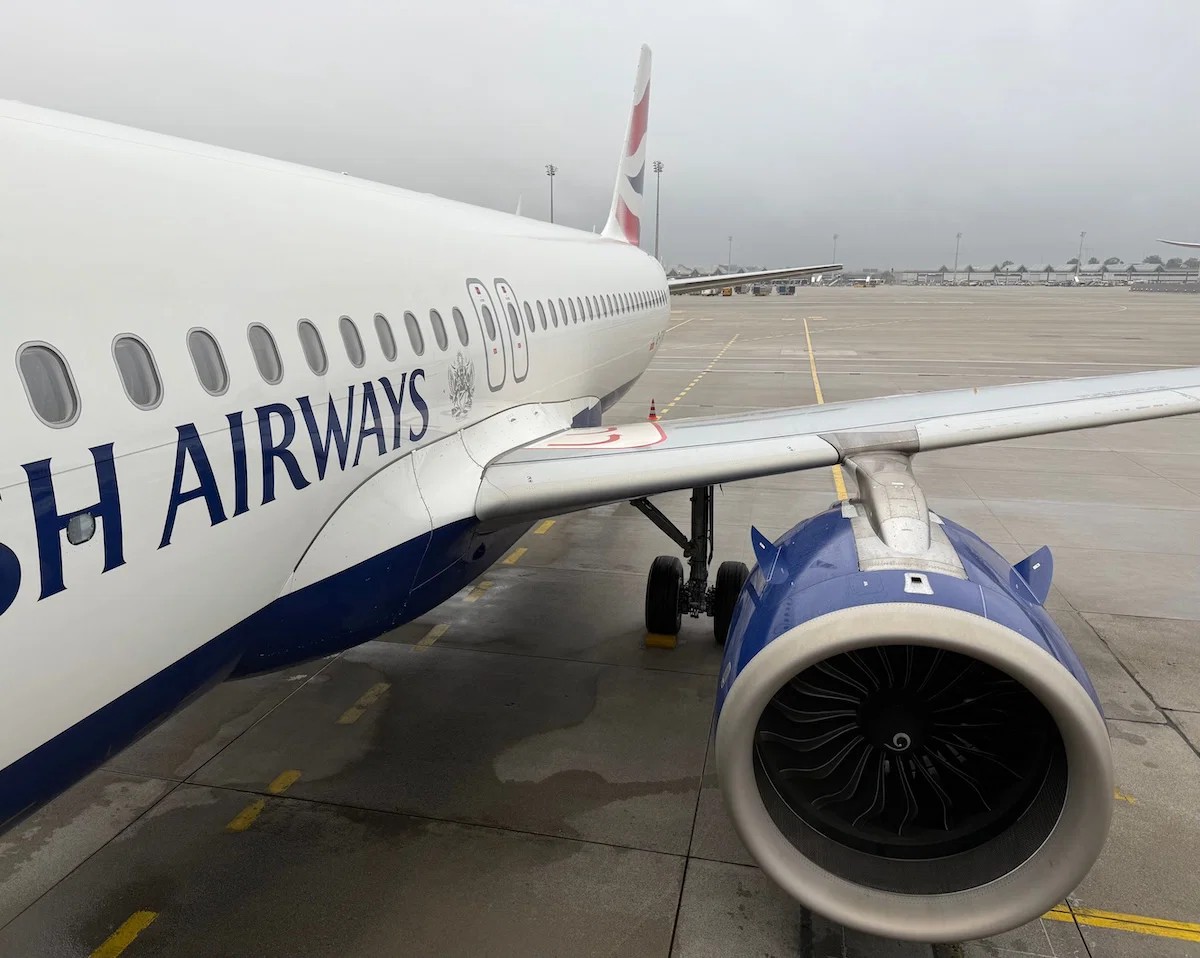
British Airways (BA) is introducing a novel incentive program designed to cut fuel burn and carbon emissions by rewarding pilots financially. While seemingly straightforward, the plan raises questions about whether cost-cutting measures could compromise operational safety margins. The airline aims to reduce emissions by 60,000 tons above 2025 levels, with pilots collectively eligible for a bonus of up to 1% of their base salary if the target is met. The program, scheduled for a vote by the British Airlines Pilots Association (BALPA) in late April 2026, is not a reactive measure to current fuel prices but rather a long-term strategy for savings.
How the Incentive Works
BA’s initiative centers around two primary strategies: optimizing taxiing procedures and refining fuel load planning. The airline acknowledges that pilot decisions significantly impact fuel consumption and emissions, but insists that the incentive is only triggered when fuel efficiency aligns with uncompromising safety standards.
One immediate change expected is a shift toward single-engine taxiing whenever possible, a straightforward reduction in ground fuel burn. The more complex aspect lies in fuel load planning, where pilots currently carry reserves for potential holding patterns, weather deviations, or emergency diversions.
The Trade-Off: Efficiency vs. Reserves
Carrying excess fuel has a clear cost, both in terms of weight and burn, and the bonus scheme appears to encourage minimizing these reserves. While regulations mandate minimum fuel levels, captains retain discretion over how much additional fuel to carry. Critics question whether incentivizing the lowest possible legal fuel load creates an unacceptable reduction in safety margins, particularly given the annual performance target.
The program’s success will depend on balancing aggressive efficiency with established operational protocols. If pilots feel pressured to shave fuel reserves to meet the target, it could erode the built-in buffers that ensure flight safety.
Long-Term Implications
BA’s approach highlights a broader trend in the aviation industry: airlines are under increasing pressure to reduce their environmental impact while maintaining profitability. This plan is one of many experiments in incentivizing sustainability, and its outcome will likely influence similar programs at other carriers.
The key question remains whether financial incentives will drive behavioral changes without introducing unacceptable risks. The long-term success of the program hinges on striking a balance between efficiency, safety, and the comfort of passengers who may not appreciate flying with minimal fuel reserves.
The airline’s plan is a calculated gamble: a potential win for efficiency and cost savings, but one that could erode passenger confidence if not carefully managed.