Recent developments in the airline industry highlight a mix of workplace controversies, financial adjustments, and political maneuvering. Here’s a breakdown of key events:
Southwest Captain Terminated Over Social Media Posts
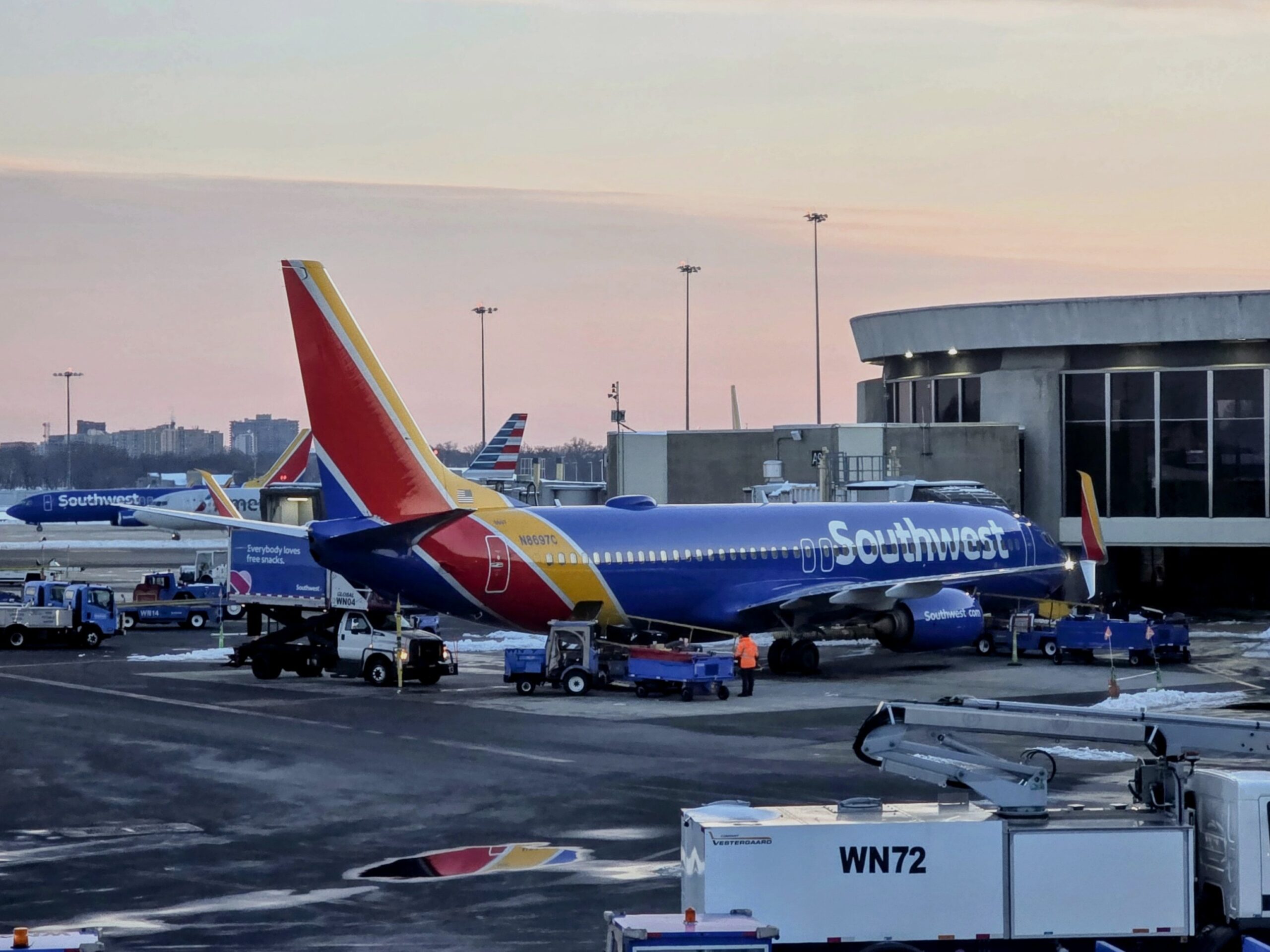
A senior Southwest Airlines captain was reportedly fired after posting what he called “mean tweets” criticizing progressive cultural shifts. The posts, directed at what he labeled the “FHTMMM cabal” (Flaming Heterosexual Toxic Masculine Male), led to his dismissal just 644 days before his mandatory retirement. This case raises questions about the boundaries of free speech for airline employees and the enforcement of corporate social media policies.
Porter Airlines Implements New Fee
Porter Airlines has introduced a CAD$40 redemption surcharge for points bookings. This change adds to the growing trend of airlines monetizing loyalty programs by increasing fees and reducing redemption values.
United Airlines’ Stalled Investments at Dulles Airport
United Airlines CEO Scott Kirby joked about the decades-long “temporary” status of the C/D midfield concourse at Dulles International Airport. However, critics point out that United has historically resisted investing in necessary improvements, threatening to leave Dulles as a hub to avoid costs.
Political Misinformation on Airfare Pricing
A U.S. Senate candidate in Michigan made false claims about how airfare pricing works, which were quickly debunked by industry experts. This incident underscores the broader issue of politicians misrepresenting complex topics to gain votes.
Positive Developments: TSA Funding and Senator Cruz’s Return
The Senate passed funding for the Transportation Security Administration (TSA) via a voice vote, unlike the House, which refuses to bring it to a vote. Senator Ted Cruz has returned to Texas instead of escaping to Cancun during a crisis.
Conclusion: The airline industry continues to face challenges ranging from workplace disputes to financial pressures and political interference. Transparency, accountability, and accurate representation of industry dynamics are crucial for both consumers and stakeholders.