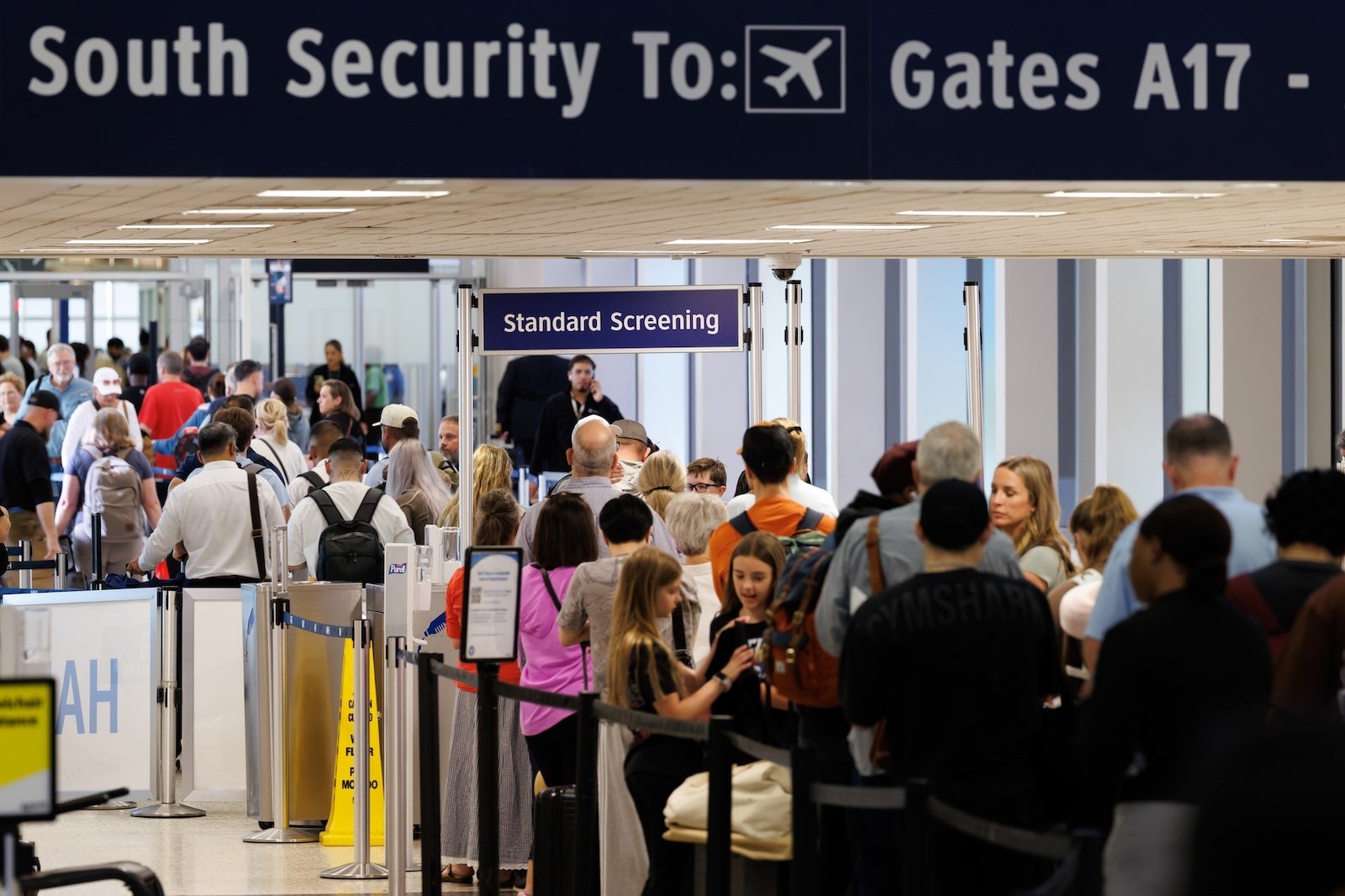
The Transportation Security Administration (TSA) has begun processing back pay for its workers, with officers potentially receiving funds as early as Monday. This move comes after weeks of severe disruptions to air travel caused by the ongoing partial government shutdown, which entered its sixth week Friday. The decision to prioritize payments followed mounting pressure, as airport backups reached record highs, with some travelers experiencing waits of over three and a half hours at major hubs like Houston’s George Bush Intercontinental Airport (IAH).
Shutdown’s Impact on Travel and Staffing
The shutdown, triggered by a congressional deadlock over funding for the Department of Homeland Security, has led to increased officer call-outs and significantly longer security lines. The situation is particularly acute during the spring break rush, with airports such as Baltimore/Washington International Thurgood Marshall Airport (BWI) advising passengers to arrive three hours before departure.
The core issue is not just immediate pay but long-term staffing. According to testimony before Congress, nearly 500 TSA officers have left their positions since the start of the latest shutdown, adding to existing recruitment and training challenges. Replacing these workers will take months, creating a critical shortage just as demand for air travel is expected to surge with the upcoming World Cup games this summer.
Short-Term Relief, Long-Term Risks
President Trump ordered the immediate payment of TSA employees after acknowledging that air travel had reached a “breaking point.” Airlines and industry leaders have welcomed this step, but the restoration of paychecks does not guarantee an immediate return to normal wait times.
Past shutdowns suggest that call-outs may decrease once workers are paid, but the cumulative effect of repeated disruptions could take longer to resolve. TSA officers have now endured two prolonged shutdowns since October, raising concerns about morale and retention.
Airlines Adapt, Wait Times Persist
Several airlines, including Delta, United, and Allegiant, have issued flexible travel waivers to accommodate passengers affected by delays. However, the TSA’s app, which typically provides live checkpoint wait times, remains unreliable during the shutdown. Travelers are advised to check airport websites and social media for the most up-to-date information.
The long-term consequences of repeated shutdowns extend beyond immediate disruptions. A depleted workforce and lengthy training requirements threaten to exacerbate staffing shortages at a critical moment for air travel.
The current situation underscores the vulnerability of essential services to political gridlock, with the potential for sustained disruptions even after the immediate crisis subsides. The TSA faces a “dire situation,” as its acting administrator warned, and the prospect of severe staffing shortages during peak travel periods remains a serious concern.