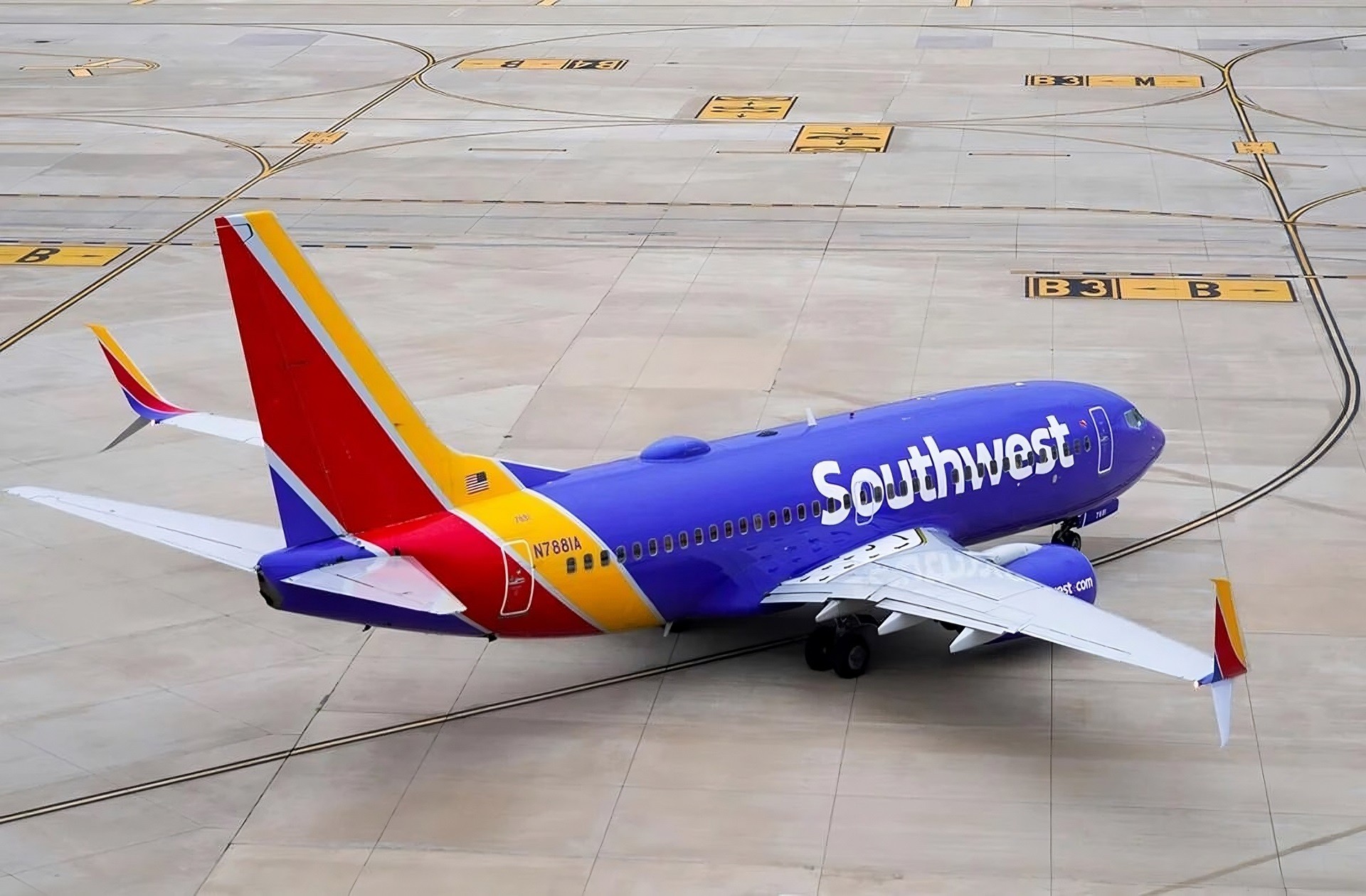
Southwest Airlines recently updated its privacy policy, sparking widespread discussion and concern among customers, particularly regarding potential dynamic pricing based on personal data and expanded biometric tracking. The changes, initially made in January but gaining attention now, suggest a shift towards more aggressive data collection and usage, though the extent to which these practices are currently implemented remains unclear.
The Core of the Concerns: Surveillance Pricing and Data Exploitation
The primary fear centers around “surveillance pricing,” where Southwest could leverage customer behavior, loyalty status, and even browsing history to tailor fares, seat offers, and Rapid Rewards point values. This means frequent travelers who consistently purchase premium seats or upgrades might see higher baseline prices for basic fares, effectively being penalized for their loyalty.
- Willingness-to-Pay Data: The policy explicitly allows Southwest to track historical seating choices, potentially raising the price of preferred seats for customers who repeatedly pay a premium.
- Variable Award Pricing: Since early 2026, Rapid Rewards points have no fixed value. The airline can dynamically adjust the point cost of flights based on a customer’s spending habits, rewarding or penalizing based on loyalty.
Biometric Tracking and Physical Surveillance
Beyond pricing, the updated policy permits extensive physical surveillance, including biometric data collection and location tracking within airports. This ties into initiatives like TSA Touchless ID and push notifications, raising questions about how such data will be used for crowd analytics and personalized offers.
The airline reserves the right to capture audio and video at airports, collect mouse movements and screen captures, analyze Wi-Fi usage (including websites visited), and combine this data with personal information to build detailed usage profiles. This data could then be used for retargeting ads, automated systems, and training AI.
The Reality: Policy vs. Practice
While the privacy policy is broad enough to accommodate aggressive tracking and profiling, it doesn’t necessarily mean Southwest is actively implementing all these practices. Some strategies, like profile-based fare adjustments, may not be in the airline’s interest or could be circumvented by booking through incognito browsers or different devices.
The most significant issue isn’t the new March update itself, but rather that many of these permissions were granted in a prior update that went unnoticed by many customers. The airline’s policy allows for heavy data collection and merchandising, but whether or not it will be fully exploited remains to be seen.
In conclusion, Southwest Airlines’ expanded privacy policy raises legitimate concerns about data privacy and potential manipulation of pricing based on customer behavior. While the actual implementation remains uncertain, the policy provides the airline with broad authority to collect and exploit customer data in ways that could significantly impact travel costs and personal privacy.