The travel sector is undergoing rapid adjustments driven by economic pressures, shifting consumer behavior, and growing regulatory scrutiny. From airlines increasing baggage fees to hotels exploring aggressive expansion strategies, the industry is adapting to a new landscape where cost efficiency and brand relevance are paramount.
Rising Costs Push Airlines to Increase Fees
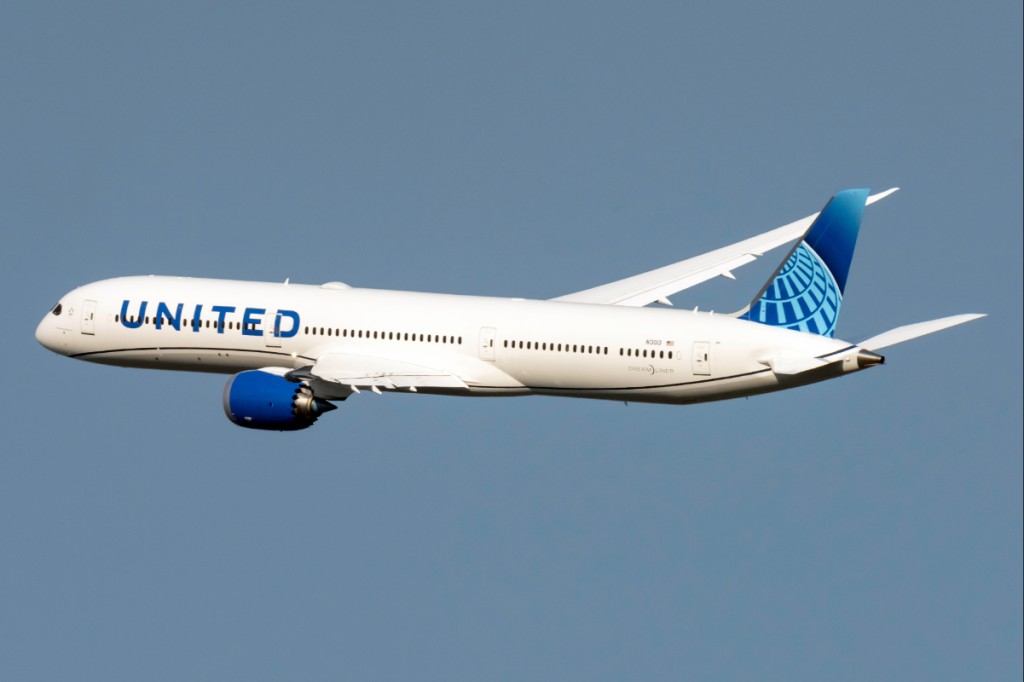
United and JetBlue have recently increased baggage fees, a direct response to soaring fuel prices. This reflects a broader trend where airlines are passing on operational costs to consumers rather than absorbing them, which could further impact travel affordability and potentially reduce demand. The move highlights the industry’s sensitivity to external economic factors and the willingness to adjust pricing structures in real time.
Social-First Storytelling Gains Traction
Ibis, a hospitality brand, is investing in creator-led miniseries as a core marketing strategy. This approach, exemplified by “The Go Getters,” demonstrates a shift away from traditional advertising toward immersive entertainment designed to build brand affinity with younger travelers. The move is significant because it acknowledges that attention spans are shrinking, and organic engagement through compelling content is more effective than interruptive ads.
International Travel Decline Linked to Tariffs
New York State experienced a notable decline in international visitors last year, a trend attributed by the State Comptroller to lingering effects of tariffs. This underscores how geopolitical and economic policies can directly impact tourism. While the exact correlation between tariffs and visitor numbers is complex, the data suggests that trade barriers can deter travel, particularly from affected regions.
UK Government Prioritizes Hotel Safety
The UK Government is preparing to host industry-wide roundtable discussions on hotel guest safety. This initiative comes amid increasing concerns about security protocols and potential liabilities. The meeting is expected to result in new guidelines that could reshape safety standards across the hospitality sector, impacting operational costs and guest expectations.
Hotel Chains Focus on Conversions for Midscale Expansion
IHG, Marriott, and Hyatt are aggressively pursuing hotel conversions as a faster, more cost-effective route to midscale growth. This strategy is particularly relevant in high-cost markets where new construction is prohibitively expensive. By repurposing existing properties, these groups can rapidly expand their footprint without the lengthy timelines and financial burdens of ground-up development.
The travel industry’s current trajectory indicates a focus on resilience, adaptability, and innovation. From airlines managing rising costs to hotels prioritizing safety and strategic expansion, the sector is actively