


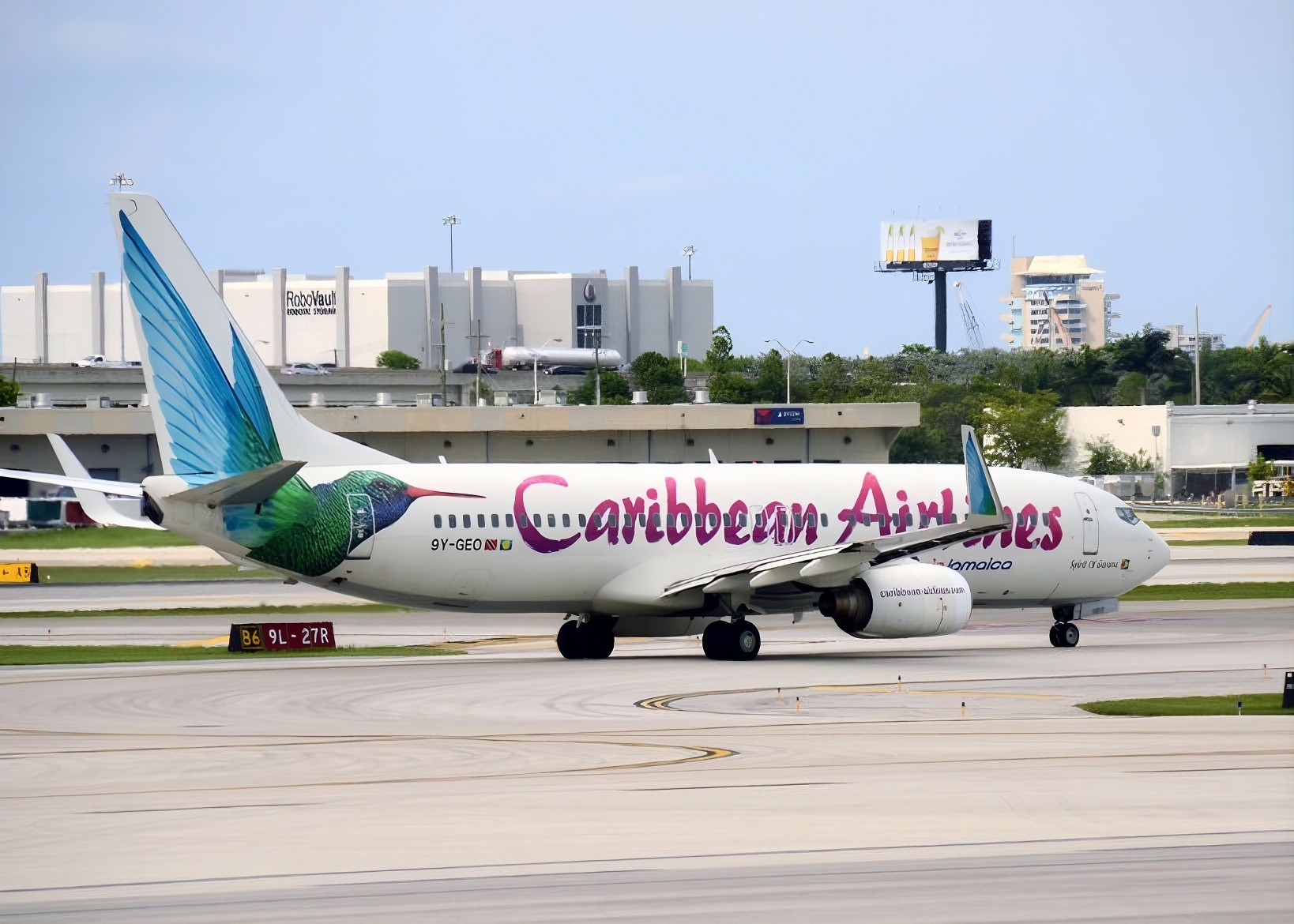
A routine flight from Fort Lauderdale to Jamaica turned into a high-stakes medical event this week when a passenger went into labor as Caribbean Airlines flight 005 approached New York’s JFK International Airport. The child was born just moments before the aircraft touched down, marking a rare and dramatic conclusion to a commercial flight.
Priority Landing and Air Traffic Coordination
According to intercepted air traffic control (ATC) communications, the pilot notified controllers of the situation while descending. Notably, the crew did not declare a formal “emergency,” but rather requested priority handling due to the medical situation.
The response from ATC was swift and highly coordinated:
* Route Optimization: Controllers granted the flight a “direct” routing (ZETAL) to shave time off the approach.
* Altitude Adjustments: The aircraft was cleared to descend to lower altitudes to expedite the arrival.
* Medical Readiness: Ground authorities were alerted, and paramedics were dispatched to the gate to meet the aircraft upon landing.
In a moment of lightheartedness amidst the tension, a ground controller jokingly asked the pilot, “Is it out yet?” after the landing was confirmed. Upon hearing the baby had arrived, the controller added, “Tell her she’s got to name it Kennedy,” a nod to the airport’s namesake.
The Legal and Medical Context of “Air Births”
While a birth on an aircraft is a remarkable human story, it sits at the intersection of complex legal and aviation regulations.
Birthright Citizenship
The legal status of a child born in U.S. airspace is a nuanced issue. Under the Fourteenth Amendment, individuals born within the United States—including those in U.S. territorial waters or airspace above U.S. land—are generally considered U.S. citizens. While there have been various political efforts and executive discussions aimed at narrowing the scope of birthright citizenship, current State Department guidance maintains this standard.
Aviation Safety and Pregnancy
Aviation authorities and airlines maintain strict guidelines regarding expectant mothers to mitigate the risk of spontaneous labor.
* Risk Factors: The risk of preterm labor increases significantly after 37 weeks.
* Airline Policies: Most carriers restrict flying after 36 weeks, often requiring medical clearance after 28 weeks. Caribbean Airlines, for instance, typically allows travel without specific medical clearance until the 32nd week.
While this specific incident involved an unexpected labor, it highlights the thin margin of safety when traveling near the end of a pregnancy.
A History of “Sky-Born” Travelers
This is far from the first time a baby has entered the world mid-flight. Throughout the history of commercial aviation, nearly 100 births have been recorded on board aircraft. These events often result in unique “rewards” from airlines looking to turn a stressful situation into a positive PR opportunity:
- Jetstar Asia: A passenger named her baby after the airline and received $1,000 in baby supplies.
- Cebu Pacific: Awarded a newborn 1 million frequent flyer miles.
- Jazeera Airways: Granted a child 18 years of free flights.
Whether through legal complexities or airline gestures, a birth on a plane transforms a standard flight into a lifelong story for the family involved.
In summary, the successful delivery of a passenger on Caribbean Airlines flight 005 demonstrates the seamless coordination between pilots and air traffic controllers during unexpected medical events.


