
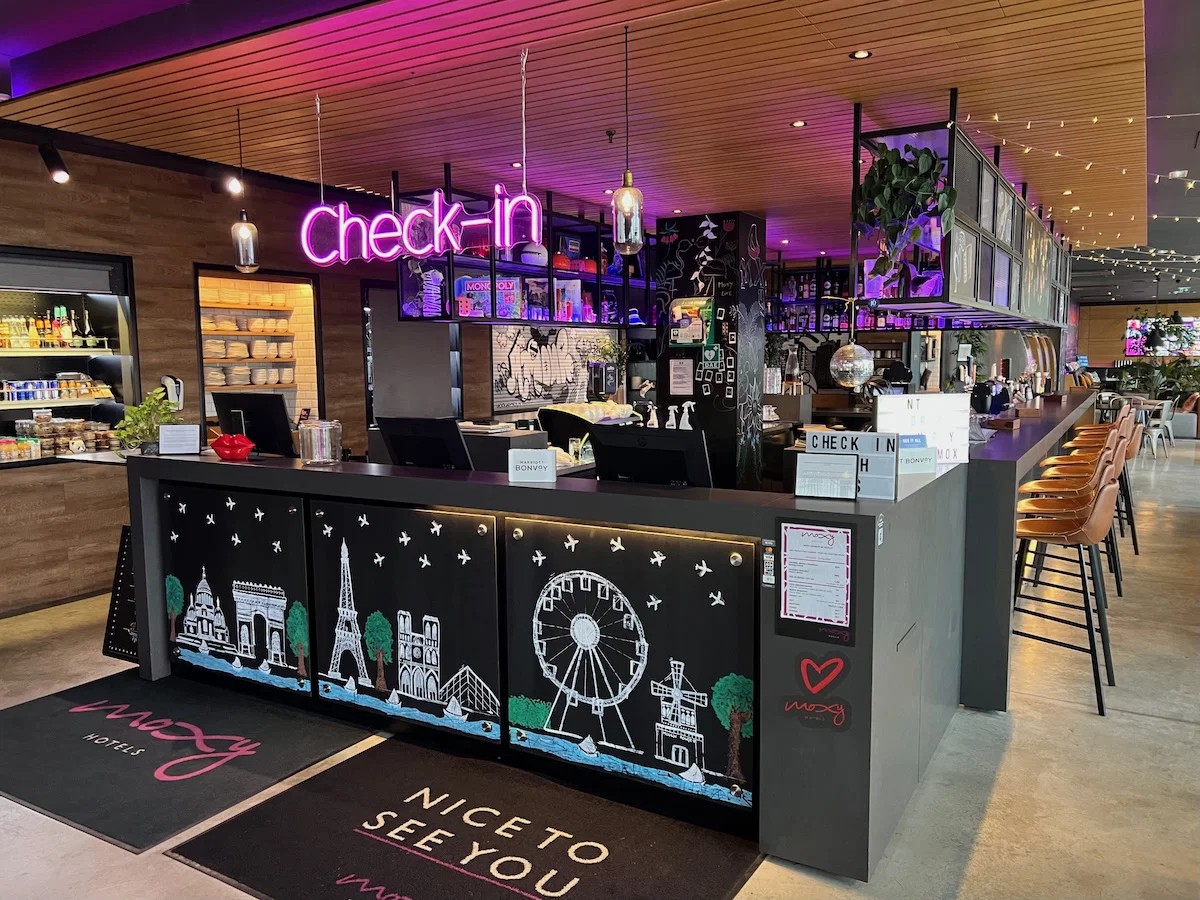
As major hospitality groups like Hilton, Hyatt, and Marriott continue to digitize the guest experience, mobile check-in has become a standard feature in their apps. Much like the airline industry, where digital boarding passes are now the norm, hotels are increasingly pushing travelers toward automated arrivals.
However, while the convenience of an app is tempting, the hotel experience is fundamentally different from a flight. For many travelers, the decision to check in via smartphone versus speaking to a human agent involves a strategic trade-off between speed and service.
The Digital Shift: Why Hotels Want You Online
Hotels use push notifications to encourage mobile check-ins because it streamlines their operations. By moving the administrative heavy lifting—confirming arrival times and verifying details—to the guest’s device, hotels can reduce pressure on front desk staff.
Yet, the functionality of these apps varies significantly across brands:
– Marriott Bonvoy: Offers a relatively simple process, primarily asking guests to confirm their arrival time.
– Hilton Honors: Provides a more robust experience, allowing guests to browse and select specific rooms within their category.
The Trade-Off: Convenience vs. Connection
The primary reason travelers hesitate to use mobile check-in is that a hotel stay often requires more nuance than a flight. Unlike an airline, where “checking in” is a purely administrative task, a hotel check-in is often an opportunity for value optimization.
1. The Pursuit of Upgrades
One of the biggest drawbacks of mobile check-in is its impact on elite status perks. When you check in via an app, you are essentially accepting the room that has been pre-assigned to you. If you are hoping for a complimentary upgrade to a higher room category, waiting to speak with a front desk agent may yield better results. A human agent has the discretion to check availability and negotiate upgrades in a way an algorithm often cannot.
2. The “Mobile Key” Dilemma
Many apps now offer “mobile keys,” allowing your phone to unlock your door. While technologically impressive, this feature has faced hurdles:
– Reliability: Early iterations of mobile key technology were often glitchy, leading to a lack of consumer trust.
– Necessity: In many cases, even after checking in via an app, guests are still required to visit the front desk to present a physical ID and a payment method, somewhat defeating the purpose of a “contactless” experience.
Strategic Decision-Making: When to Use the App
Deciding whether to use mobile check-in depends largely on the nature of your stay and your priorities.
✅ When to use Mobile Check-In:
- Late Arrivals: If you are arriving well after standard check-in hours, using the app can signal to the hotel that you are still coming, preventing them from marking your reservation as a “no-show.”
- Limited-Service Properties: For quick stays at budget or limited-service hotels where upgrades are unlikely, the app offers a frictionless way to get settled.
- Pre-Selected Rooms: If you are satisfied with the specific room shown in the app and don’t require further assistance.
❌ When to Skip the App:
- Luxury or Resort Stays: In high-end hospitality, the check-in process is part of the service. Speaking with a concierge or agent allows you to ask about property amenities, dining, and local recommendations.
- Seeking Upgrades: If your primary goal is to maximize your loyalty benefits, a face-to-face interaction remains the most effective way to secure a better room.
The Bottom Line: Mobile check-in is a tool for efficiency, but it is not a universal upgrade. If you prioritize speed and security for a quick trip, use the app; if you prioritize service and room quality, stick to the front desk.
Summary: While mobile check-in offers convenience and helps manage late arrivals, it can limit your ability to secure room upgrades and personalized service. Choosing between the app and the front desk ultimately depends on whether you value time-saving or hospitality-driven perks.