The global travel landscape is currently facing a complex intersection of geopolitical instability, technological evolution, and a growing emphasis on environmental responsibility. From rising airfares driven by conflict to the integration of AI in hospitality, the industry is navigating a period of significant structural change.
Geopolitical Volatility and Rising Costs
The escalating tensions surrounding the conflict in Iran are creating immediate ripples across the aviation and travel booking sectors.
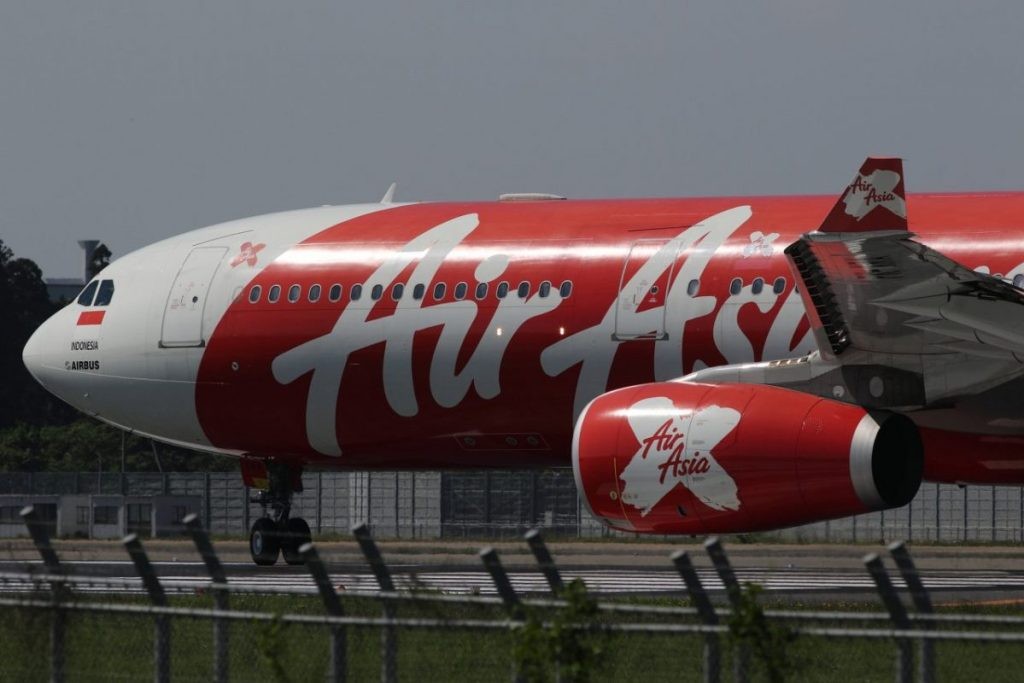
- AirAsia X Fare Surges: In response to the regional instability, AirAsia X has implemented fare increases of up to 40%. While the airline has managed to maintain its current workforce and keep its Bahraini operations intact, the price hike reflects the rising costs of navigating volatile airspace and shifting fuel dynamics.
- Disproportionate Impact on Booking Platforms: Not all travel giants are equally vulnerable to these shifts. Booking.com faces a higher risk profile than Expedia due to its strategic footprint. Booking’s extensive presence in Asia and the Middle East leaves it more exposed to regional disruptions, while its heavy European base makes it more susceptible to the inflationary pressures currently sweeping the continent.
This divergence highlights a critical reality for investors: a company’s geographic strength can become a liability during periods of localized geopolitical unrest.
The Technological Pivot: AI and the New Travel Workforce
As Artificial Intelligence reshapes the service industry, the “who” and “how” of travel technology are being redefined. A recent analysis of 170 AI-related job listings reveals a significant shift in industry leadership.
Traditionally, Online Travel Agencies (OTAs) were viewed as the primary drivers of travel tech. However, recent hiring trends suggest otherwise. Marriott’s job listings are becoming increasingly technical, often surpassing the specificity of major OTAs. This suggests that major hotel chains are no longer just consumers of technology but are actively building proprietary AI capabilities to control their own digital ecosystems.
Sustainability and Science: MSC Cruises in Alaska
While some sectors focus on digital transformation, others are turning toward environmental stewardship to define their brand identity. MSC Cruises is leveraging its inaugural Alaska season to move beyond traditional tourism.
Rather than viewing Alaska solely as a commercial destination, MSC is treating the season as a marine research initiative. The goal is to study how cruise operations can coexist with high-density wildlife corridors. By integrating marine science into their operational model, the cruise line aims to understand how large-scale tourism can be managed without disrupting the very ecosystems—such