


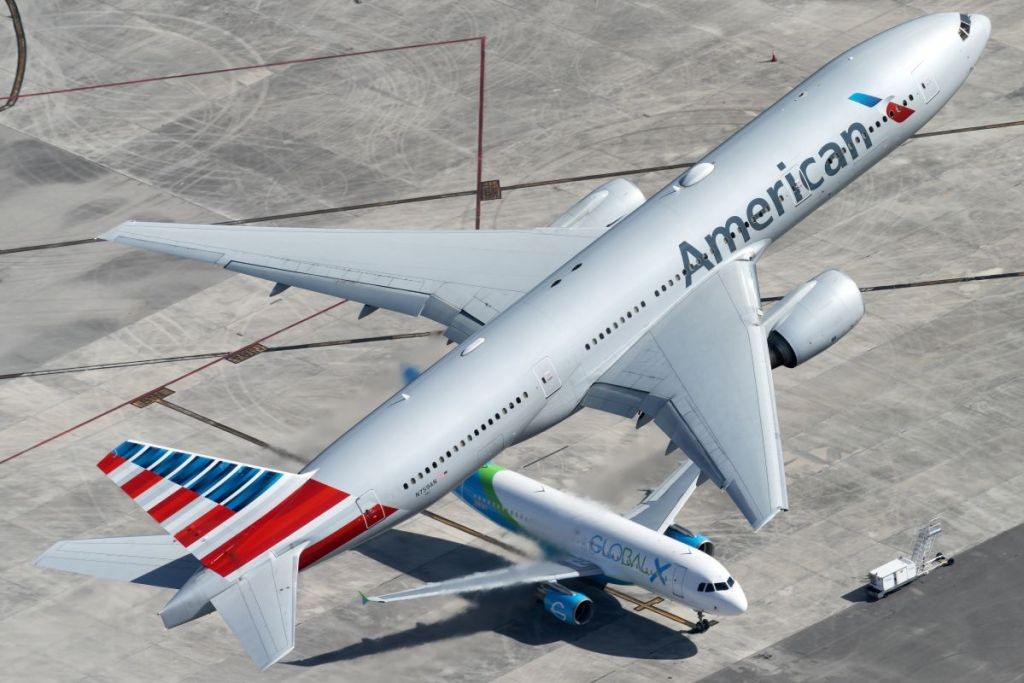
The aviation sector is currently navigating a complex landscape of rising operational costs, evolving consumer expectations, and macroeconomic shifts. From the technicalities of payment infrastructure to the volatility of fuel prices, airlines are finding that survival depends on more than just flight schedules—it requires a total strategic overhaul.
The Hidden Engine of Travel: Payment Infrastructure
While passengers focus on seat comfort and flight times, the “invisible” backend of the industry—payment and financial infrastructure —is becoming a critical competitive differentiator.
A seamless transaction is no longer a luxury; it is a fundamental part of the customer experience. Friction in the checkout process, such as blocked transactions or confusing interfaces, can lead to immediate loss of revenue and diminished brand loyalty. For airlines, elevating payments from a back-office function to a strategic priority offers three key advantages:
– Enhanced Customer Experience: Reducing friction during booking and ancillary purchases.
– Operational Efficiency: Streamlining how funds are processed and reconciled.
– Increased Profitability: Minimizing transaction failures and optimizing revenue collection.
Rising Costs and Passenger Impact
The industry is currently grappling with the direct impact of energy markets on the bottom line. As fuel prices surge, airlines are increasingly forced to pass these costs onto the consumer to protect their margins.
Delta Air Lines has recently moved to increase baggage fees, joining United and JetBlue in this trend. This shift highlights a broader industry pattern: as the cost of operation rises, airlines are pivoting toward ancillary revenue models —charging for services that were previously bundled—to offset the volatility of fuel markets.
Macroeconomic Warnings: The Dimon Perspective
The challenges facing travel executives are not isolated to the cockpit or the terminal; they are deeply rooted in the global economy. Insights from JPMorgan Chase CEO Jamie Dimon suggest a “perfect storm” of risks that the travel industry cannot afford to ignore:
– Softening Consumer Demand: As inflation persists, discretionary spending on travel may fluctuate.
– Energy Volatility: Continued oil shocks threaten predictable budgeting.
– Technological Disruption: The rapid integration of AI is reshaping how services are delivered and managed.
– Geopolitical and Labor Shifts: Immigration crises and shifting global demographics create unpredictable labor and demand patterns.
Regional Challenges: The Gulf MICE Market
In the Middle East, the Meetings, Incentives, Conferences, and Exhibitions (MICE) sector is facing a period of uncertainty. While industry leaders suggest that


