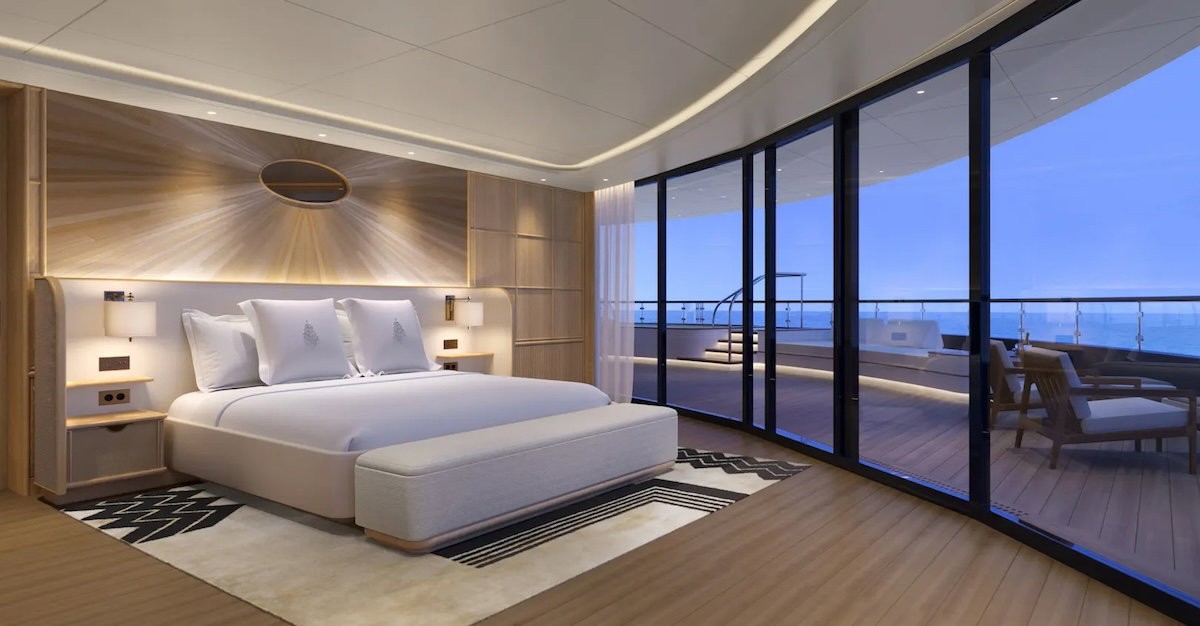
The luxury cruise industry has long operated on a specific, predictable rhythm: high upfront fares that promise an “all-inclusive” lifestyle, where meals and drinks are bundled into the cost to create a seamless, frictionless experience. However, as Four Seasons Yachts prepares for its debut, the hospitality giant is intentionally disrupting this convention with a pricing model that feels more like a high-end hotel than a traditional cruise line.
By decoupling accommodation from dining and moving away from per-guest pricing, Four Seasons is signaling that it isn’t just competing with other cruise lines—it is targeting a demographic that may have never considered cruising in the first place.
A Departure from Industry Norms
While most luxury cruise lines aim to minimize “nickel-and-diming” by including nearly everything in the base fare, Four Seasons is taking an a la carte approach to onboard consumption.
The breakdown of what is included in the voyage fare is distinct:
– Included: Accommodations, breakfast, non-alcoholic beverages, light snacks, and gratuities.
– Not Included: Lunch, dinner, and alcoholic beverages.
While this may initially raise eyebrows among traditional cruisers who expect a “floating resort” experience, there is a logical driver behind this strategy. Many Four Seasons travelers are accustomed to the brand’s land-based hotels, where dining is a premium, standalone experience. Furthermore, the ship’s itineraries are designed to prioritize destination immersion. Unlike massive cruise ships that dock at busy terminals, Four Seasons plans to use tendering (using smaller boats to ferry guests to shore), often placing guests in ports during lunch and dinner hours when they are more likely to dine locally rather than onboard.
The “Per Suite” vs. “Per Person” Logic
In a second major departure from industry standards, Four Seasons does not price its journeys per guest. Instead, they use a per-suite pricing model, much like a luxury hotel.
In the cruise world, prices are typically calculated based on double occupancy per person. At Four Seasons, the cost remains the same whether you are occupying a single suite or filling it to its maximum capacity. This offers significant value for families or groups:
– A Seaview Suite (accommodating two adults and one infant) costs the same as a solo traveler.
– The massive four-story Funnel Suite (accommodating five adults and one child) follows the same flat-rate logic.
Analyzing the Value Proposition
When evaluating whether this model is “fair,” it is essential to look at the scale of the operation. Four Seasons Yachts is not a mass-market vessel; it is an ultra-intimate experience with only 95 accommodations.
To put the scale in perspective, compare it to its primary competitor, the Ritz-Carlton Yacht Collection :
– The Ritz-Carlton ship has roughly 57% more rooms (149 vs. 95).
– Four Seasons’ entry-level suites are approximately 58% larger than those on the Ritz-Carlton (473 sq. ft. vs. 300 sq. ft.).
Because the ship offers significantly more space per passenger, the base price reflects this exclusivity. While initial rumors suggested prices would exceed $2,500 per person, per day, the reality is more accessible for the ultra-high-net-worth market, with journeys starting around $1,900 per suite, per night for certain itineraries.
The Trade-Off: Flexibility vs. Convenience
The debate ultimately boils down to a choice of philosophy: Would you rather pay a higher flat rate to include everything, or a lower base rate with the freedom to pay only for what you consume?
“The market will decide if this model makes sense, but it raises a fundamental question: Is all-inclusive inherently better, or is a la carte more honest?”
For the traveler who enjoys three heavy meals and several cocktails a day, the traditional all-inclusive model is superior. However, for the Four Seasons client—who may prefer a light breakfast, a single dinner, and perhaps a glass of wine—the a la carte model prevents them from subsidizing the heavy consumption of others.
Conclusion
Four Seasons Yachts is attempting to bridge the gap between luxury hospitality and maritime travel. By treating its ship like a floating boutique hotel rather than a traditional cruise vessel, the company is betting that its target audience values space, intimacy, and flexibility over the predictable comfort of an all-inclusive fare.