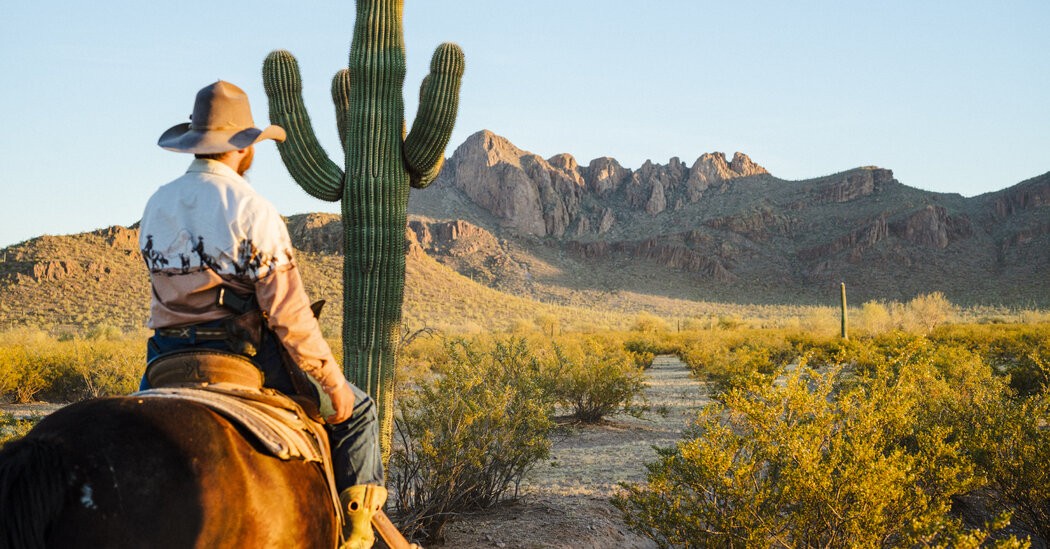
Tucson, Arizona, offers a rare geographical convenience: the ability to transition from an urban center to a vast, untamed wilderness in less than 90 minutes. Flanked by mountain ranges and bordered by two sections of a National Park, the city serves as a strategic base for travelers who prioritize easy access to the outdoors.
A Landscape of Rapid Transformation
The most striking feature of the region is the dramatic shift in topography and climate provided by the Santa Catalina Mountains. Rising from an elevation of 2,000 feet to over 9,000 feet at Mount Lemmon, the mountains create distinct ecological zones:
- The Sonoran Desert: At lower elevations, the landscape is defined by iconic saguaro cacti.
- Hardwood Forests: Canyons carved by running water provide lush, sheltered pockets of greenery.
- Ponderosa Pines: Around 4,500 feet, the desert heat gives way to high-altitude pine forests.
This elevation range is more than just a scenic feature; it functions as a natural climate control system. When the desert heat becomes extreme—as seen during recent unseasonal heatwaves—the highland retreats of Mount Lemmon offer a vital, cooler escape for residents and visitors alike.
Accessible Urban Living and Dining
Tucson’s lifestyle is deeply influenced by its 350 days of annual sunshine, fostering a culture that thrives outdoors. This climate has shaped a dining scene centered on accessibility and open-air experiences.
The city features a proliferation of “window-service” restaurants, where guests order from service windows and dine at outdoor tables. This model allows for a relaxed, casual atmosphere that reflects the local environment. Pricing remains relatively accessible, with options ranging from:
– Breakfast burritos at Barista del Barrio (~$8.90)
– Tuna rice bowls at Kukai (~$15)
Affordable Hospitality
The city also caters to budget-conscious travelers through renovated midcentury modern motels that emphasize “democratic programming”—the idea that travel should be accessible to everyone. Recent stays have highlighted the value available in the local hospitality market, with renovated motels offering rates as low as $99 per night, often including amenities such as complimentary drinks, morning coffee, and breakfast stations.
Conclusion
Tucson stands out as a destination where diverse ecosystems and affordable urban amenities meet. Its unique geography allows travelers to balance desert exploration with mountain retreats, all while enjoying a casual, sun-drenched lifestyle.